Scottish Dress Sporrans for Formal Occasions: Tradition Meets Elegance

There’s something unmistakably noble about the swing of a Scottish kilt but without a sporran, the outfit feels incomplete. For centuries, the sporran has served as both a practical pouch and a mark of Highland dignity. When the occasion calls for formality, be it a ceilidh, wedding, or Highland ball, the dress sporran takes center stage, embodying refinement, heritage, and craftsmanship in equal measure.
The Sporran: A Pocket with Purpose
In Gaelic, sporran simply means “purse.” Before kilts had sewn-in pockets, Highlanders carried their daily essentials; coins, flint, or rations in these small leather pouches worn at the front of the kilt. Over time, as kilts evolved into symbols of national pride, the sporran transformed from utility to art.
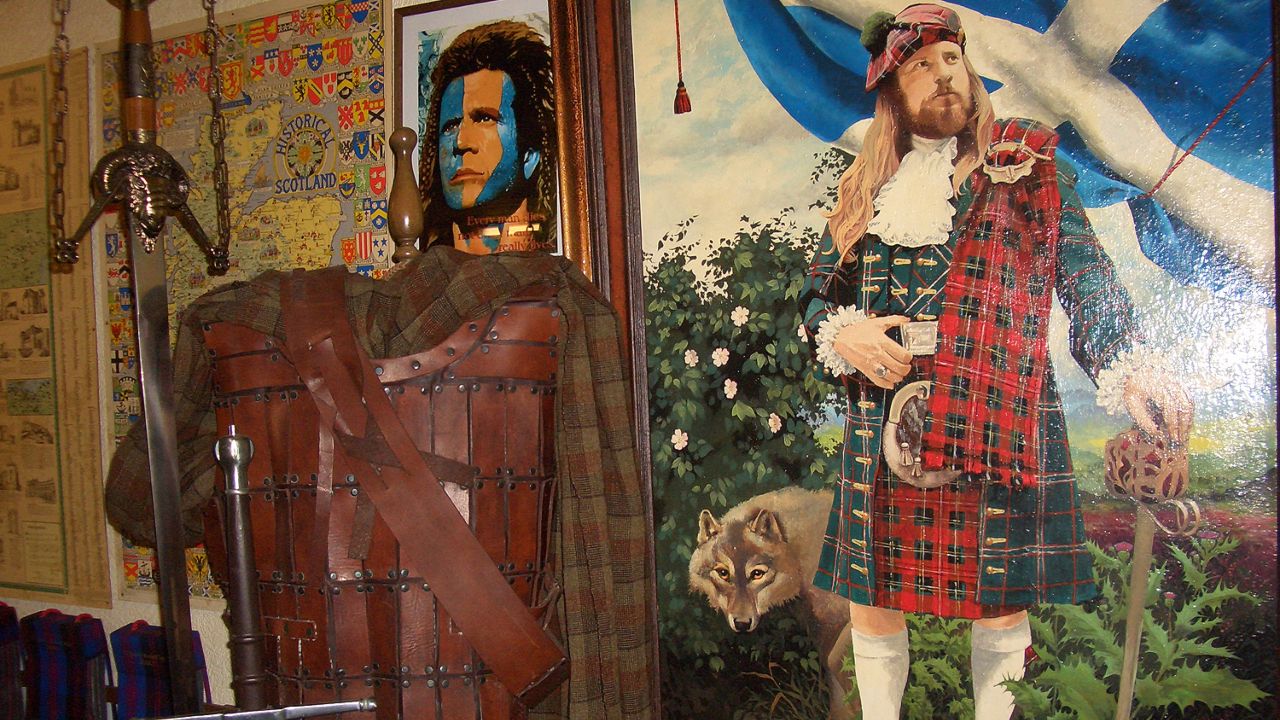
Modern dress sporrans, with their silver cantles, fur fronts, and intricate Celtic detailing, are descendants of that humble origin. They remain deeply tied to Highland identity, much like the Tam O’Shanter hat—another timeless emblem of Scottish attire.
Types of Sporrans: From Daywear to Dress
There are three main styles of sporrans, each suited to a specific level of formality:
- Day Sporran – Simple leather pouches used for casual or outdoor wear.
- Semi-Dress Sporran – A middle ground, blending leather with modest fur and metal accents.
- Full Dress Sporran – The most ornate, reserved for formal events.
The full dress sporran is unmistakable: large, often fur-covered, and adorned with a decorative metal cantle—sometimes engraved with Celtic knots or thistles, Scotland’s national emblem. It pairs naturally with a Prince Charlie jacket or formal Highland doublet.
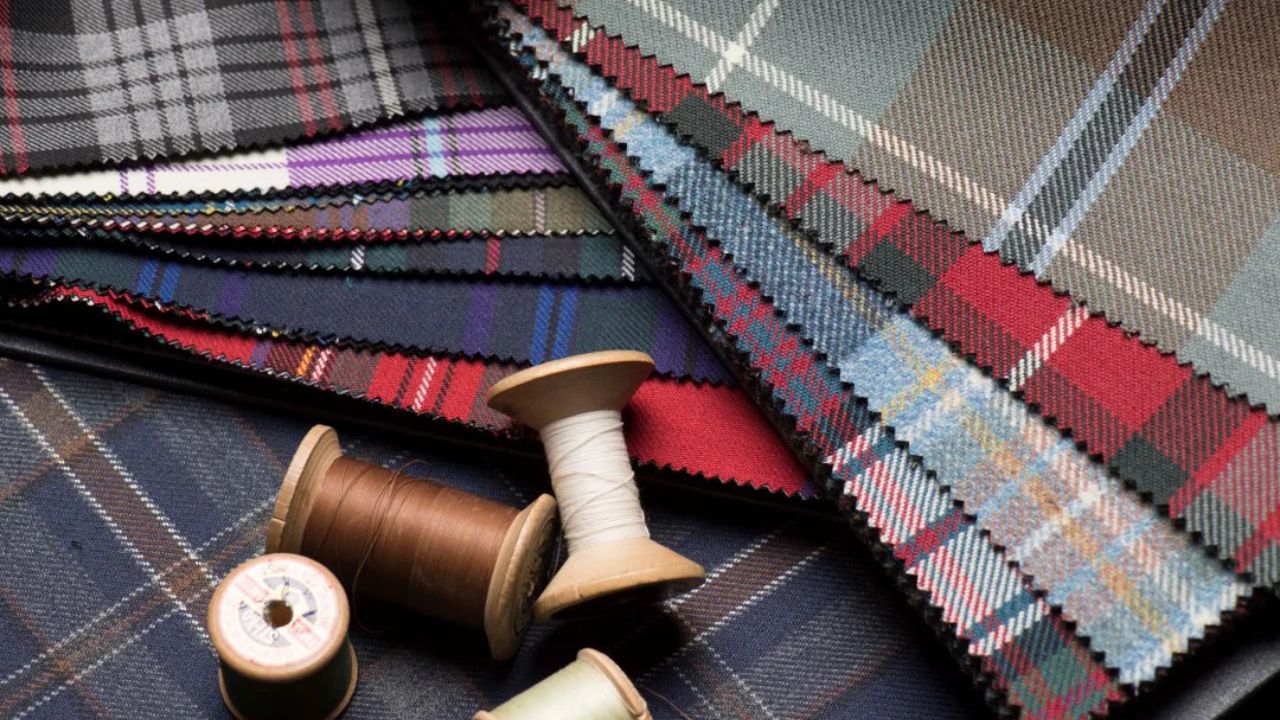
This level of detail in attire mirrors the precision seen in Scottish tartan shawls—both symbols of heritage expressed through textile artistry.

Materials and Craftsmanship: Where Art Meets Heritage
A true dress sporran is more than decoration, it’s craftsmanship honed by tradition. Typically made of seal, rabbit, or bovine fur (now often ethically sourced or replicated), these sporrans are paired with finely worked metal cantles, each design echoing centuries-old Celtic motifs.
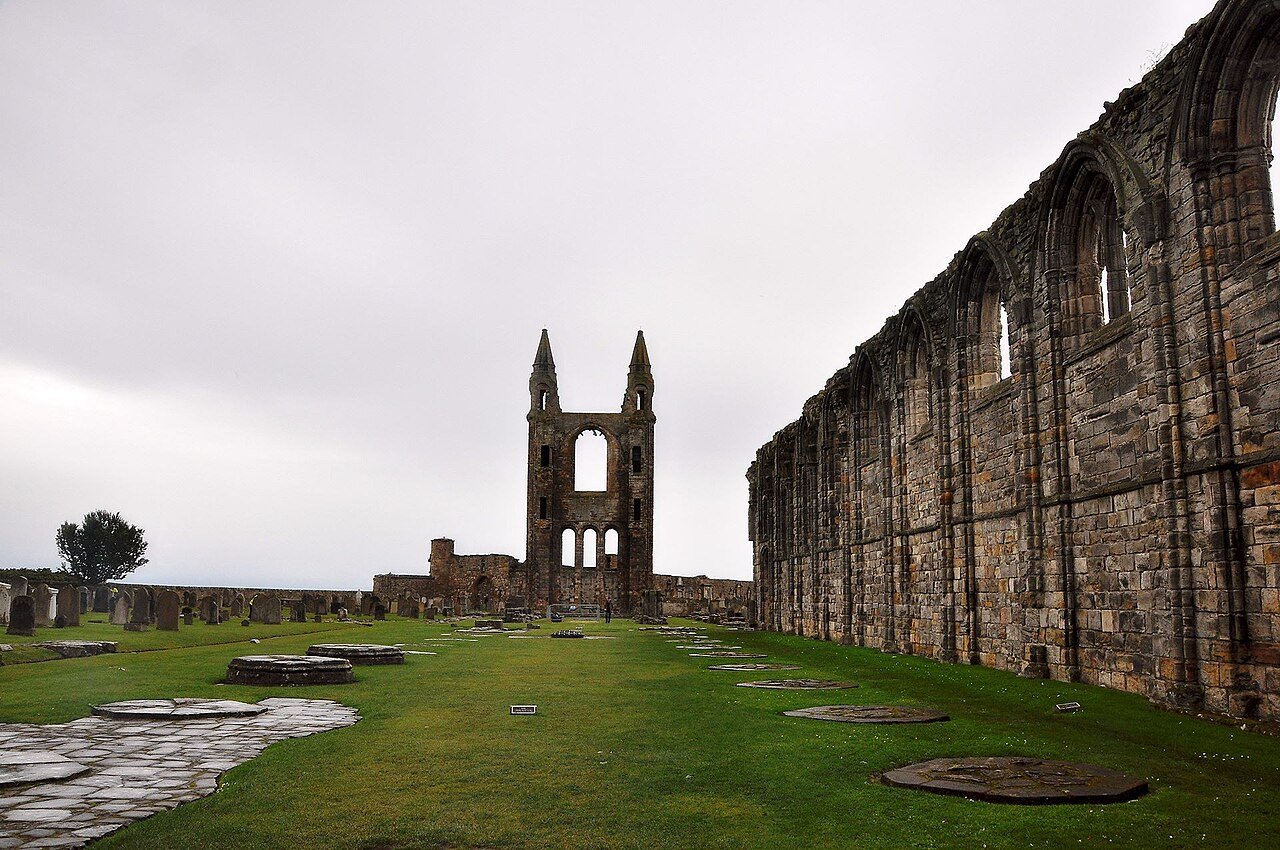
Scottish silversmiths often decorate cantles with interlaced knotwork, similar to the ancient carvings found on Celtic stone monuments. In this way, even a modern dress sporran carries the visual language of Scotland’s earliest artisans.

When to Wear a Dress Sporran
The dress sporran shines at formal gatherings—Highland weddings, Burns suppers, military ceremonies, or Highland Games banquets. Paired with a kilt in a family or clan tartan, it completes the ensemble, representing dignity and belonging.
While tartans express lineage, the sporran communicates occasion, a marker of respect for the formality of the moment. Whether one is wearing a Prince Charlie jacket or a doublet, the dress sporran always anchors the outfit in tradition.

Symbolism and Status
Historically, the materials used in a sporran reflected status. Nobles might wear ornate sporrans with silver filigree and rare fur, while common Highlanders carried simpler leather versions. Yet, across social lines, the sporran remained a unifying emblem of Scottish masculinity and dignity.
Much like the dirk knife, another key Highland accessory, the sporran’s design carries a dual sense of utility and symbolism honoring both craftsmanship and clan pride.
Contemporary Revival
Today, artisans across Scotland continue to craft sporrans using traditional methods, preserving their legacy while embracing modern ethics and materials. Many contemporary sporrans are made from synthetic or responsibly sourced hides, allowing heritage to meet sustainability.
Tourists visiting the Highlands or Loch Lomond can often find workshops where these pieces are still made by hand, a living continuation of Scottish identity woven into modern fashion.
The Heart of Highland Formalwear
To wear a dress sporran is to carry a piece of Scotland’s soul. It is both ornament and heirloom, practicality and poetry, a symbol of how the Scots weave dignity into every thread of their attire.
From the rugged glens to the candlelit halls of Edinburgh, the dress sporran remains what it has always been: a small pouch with a vast history.