
Porridge Traditions – A Celtic Staple Through Time
Introduction: More Than Just Breakfast
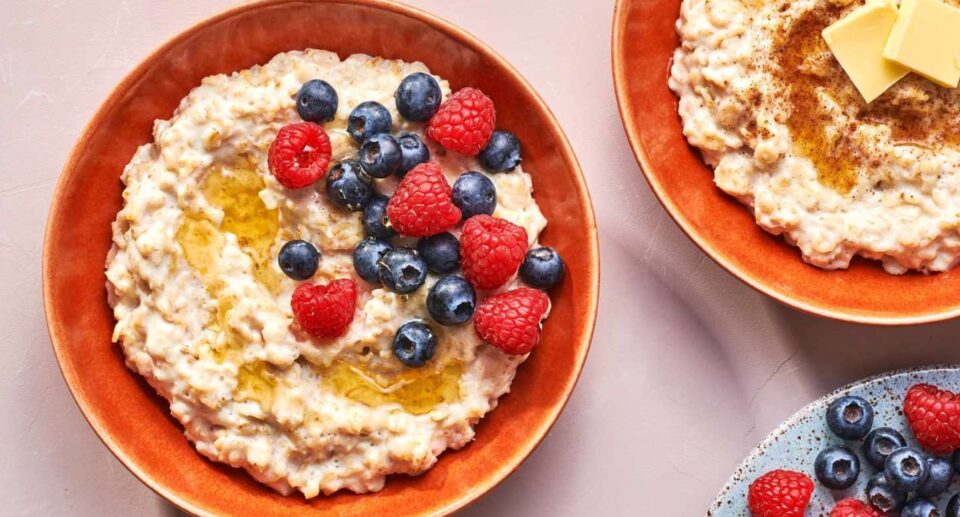
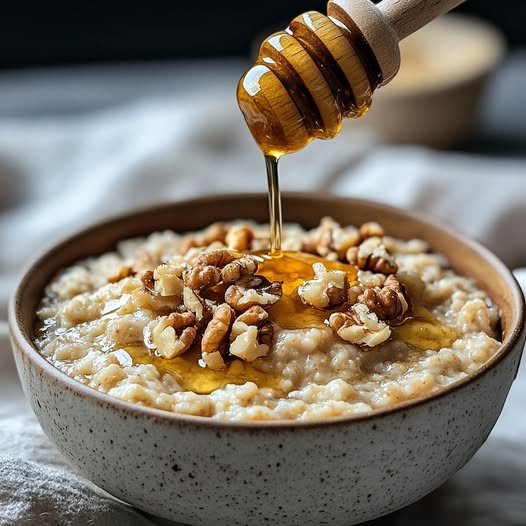
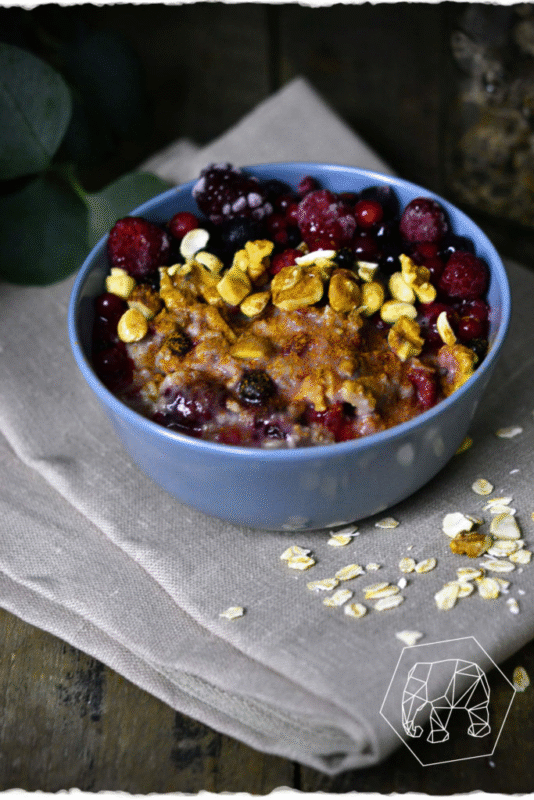
When we think of porridge today, most of us imagine a warm bowl of oats with honey, berries, or a sprinkle of cinnamon. But in the Celtic world, porridge was far more than a convenient breakfast, it was a cultural cornerstone. It nourished farmers before a long day in the fields, it appeared in seasonal rituals, and it reflected values of hospitality deeply embedded in Celtic life.
Much like Irish storytelling traditions, porridge was never just about sustenance, it was about community, memory, and identity.
The Ancient Roots of Celtic Porridge
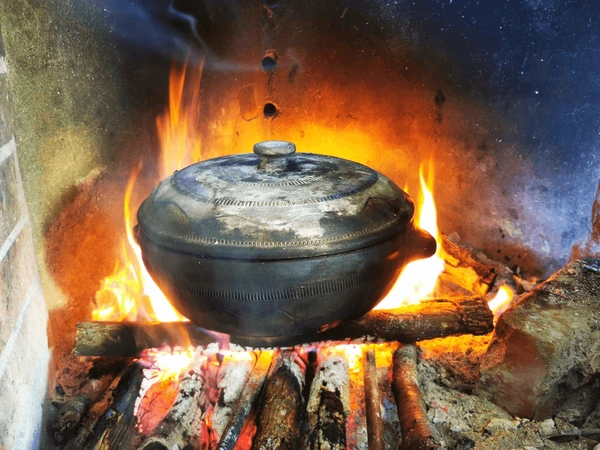
Centuries before sugar or coffee entered daily diets, oats were the lifeblood of Celtic communities. In Scotland, oats thrived where wheat could not. Families relied on oatmeal porridge cooked slowly in a pot over the hearth. In Ireland, barley and oats were both used, often mixed with water, milk, or buttermilk.
Archaeological evidence—alongside Celtic stone carvings—suggests that grain-based meals played a role not only in survival but in ritual practices, linking food to the sacred cycles of land and harvest.
Everyday Porridge and Seasonal Variations
For most Celtic families, porridge was eaten at least once a day. Yet, there were variations depending on the season and occasion:
- Daily Fare: Oats simmered with water, seasoned with a pinch of salt.
- Festive Porridge: Sweetened with honey or enriched with cream during special occasions.
- Samhain Porridge: Sometimes offerings of porridge were left for ancestors or the household spirits, paralleling other Celtic rituals tied to the land, much like the Celtic Sun God Lugh was honored in festivals of harvest.
The Porridge Drawer – A Quirky Scottish Tradition
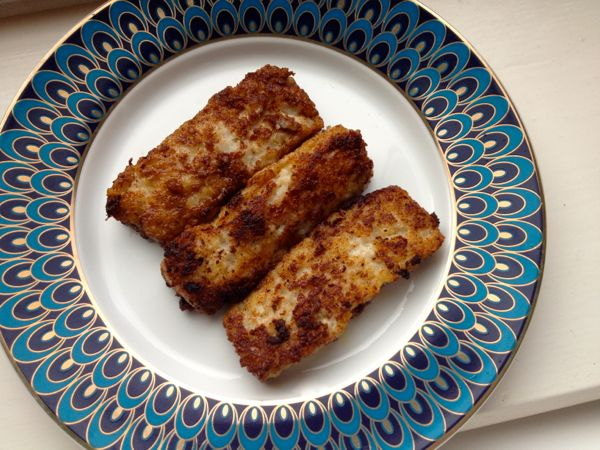
Perhaps the most fascinating Celtic porridge tradition was the porridge drawer in Scotland. Leftover oats were poured into a wooden drawer to set into a solid cake. These slices could be carried to work in the fields or while herding cattle across rugged landscapes like the Isle of Mull.
This practice reflects a broader Celtic ingenuity—maximizing every resource, much like crofter traditions preserved community resilience across generations.
Hospitality, Heritage, and Identity
Sharing porridge was an act of hospitality, much like offering bread or ale. Guests, travelers, and even the poor could expect a warm serving at Celtic hearths. The simplicity of porridge belied its significance—it was a meal that united all social classes.
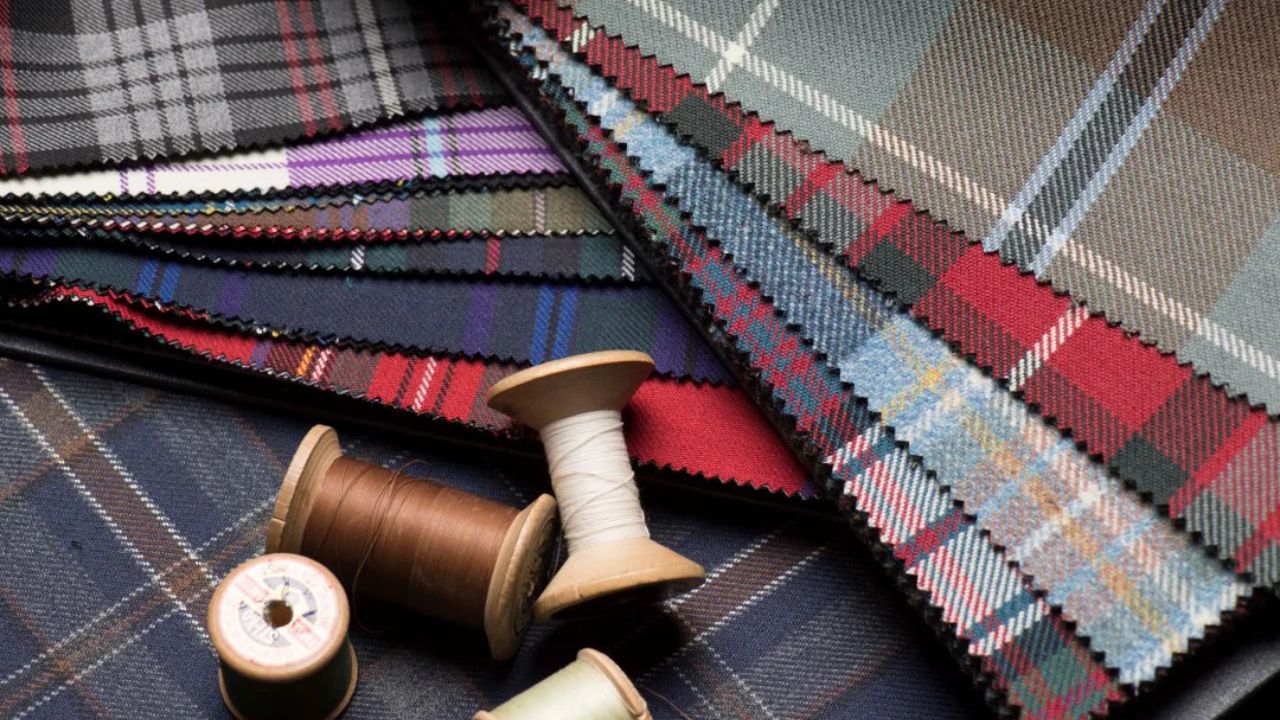
Its endurance mirrors other timeless cultural elements, such as tartan traditions or Gaelic proverbs, where something seemingly ordinary carries profound symbolic weight.
Porridge in Modern Celtic Life
Today, porridge remains a celebrated dish in Scotland and Ireland. From the World Porridge Making Championship in Carrbridge, Scotland, to its place in contemporary health food culture, it continues to evolve. Yet, every spoonful still carries echoes of ancient Celtic kitchens.
As with Irish holy wells, porridge reminds us that the simplest traditions often hold the deepest connections to heritage.
Conclusion – A Bowl of Heritage
To eat porridge in Celtic tradition was to taste the land itself: oats from the fields, milk from the cattle, fire from the hearth. More than food, porridge symbolized endurance, unity, and cultural memory. In every humble bowl, we find a story, one as rich as the myths of selkies or as enduring as the stones at the Hill of Tara.
So the next time you stir a pot of oats, remember: you’re not just making breakfast. You’re carrying forward a Celtic tradition that has survived centuries.