

Celtic Beads: Threads of Art, Identity, and Spirituality

Introduction: Small Beads, Big Stories
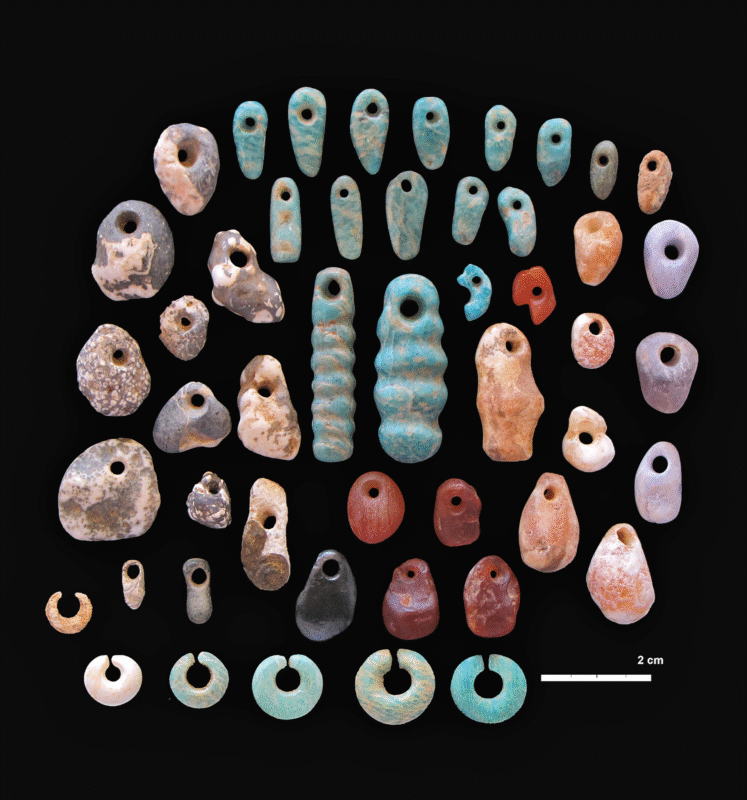
At first glance, Celtic beads may look like simple ornaments, but these tiny creations tell enormous stories. Worn as jewelry, carried as charms, and traded across lands, beads formed a subtle yet powerful part of Celtic culture. They reflected artistry, identity, and belief threads that still weave through Celtic life today.
The Materials and Craft of Celtic Beads
The Celts were master artisans. Their beads were crafted from:
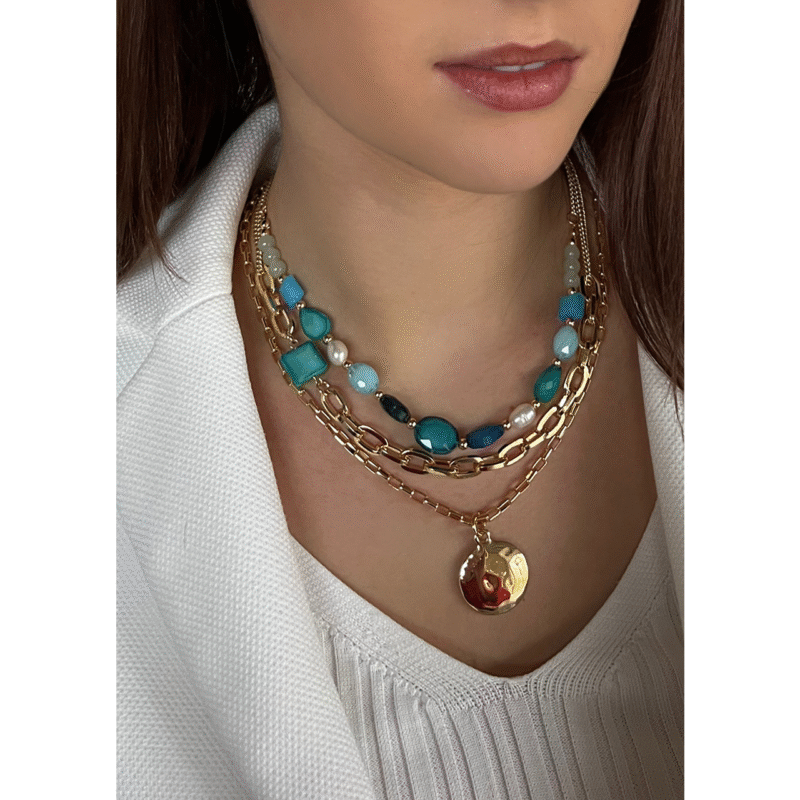
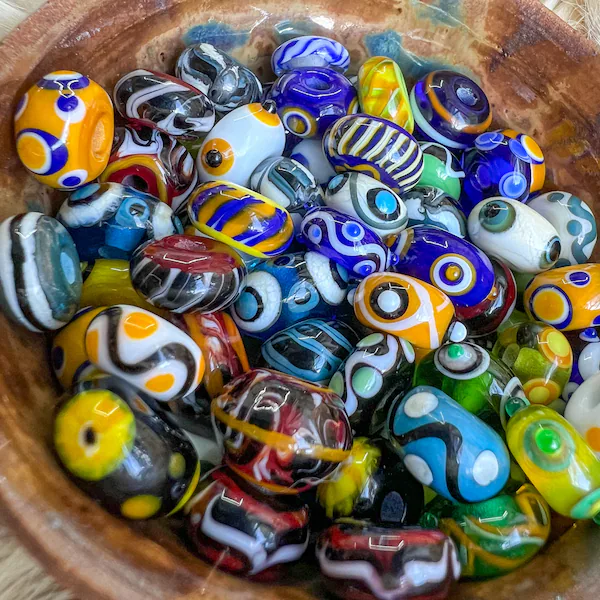
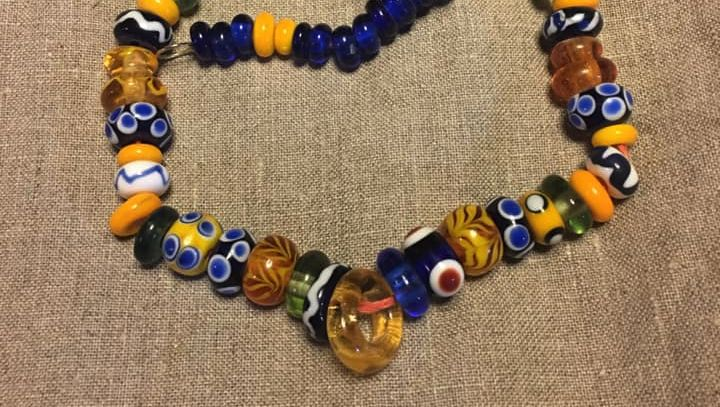
- Glass – with swirling designs of blues and greens, echoing the spirals seen in Celtic stone carvings.
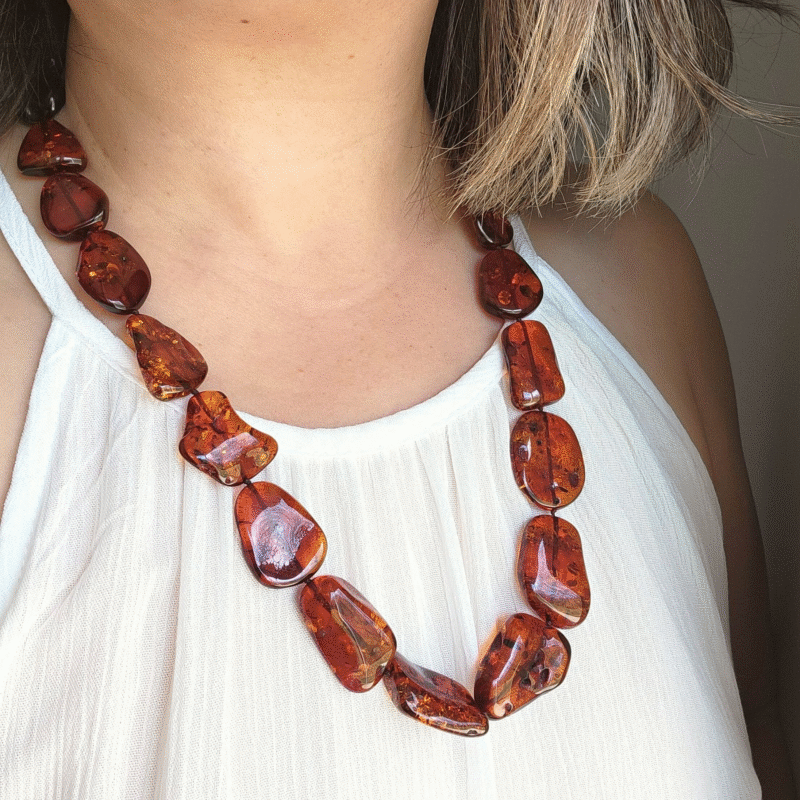
- Amber – imported through vast trade networks, signifying wealth and connection.
- Bone and Jet – linking the wearer to the earth and natural cycles.
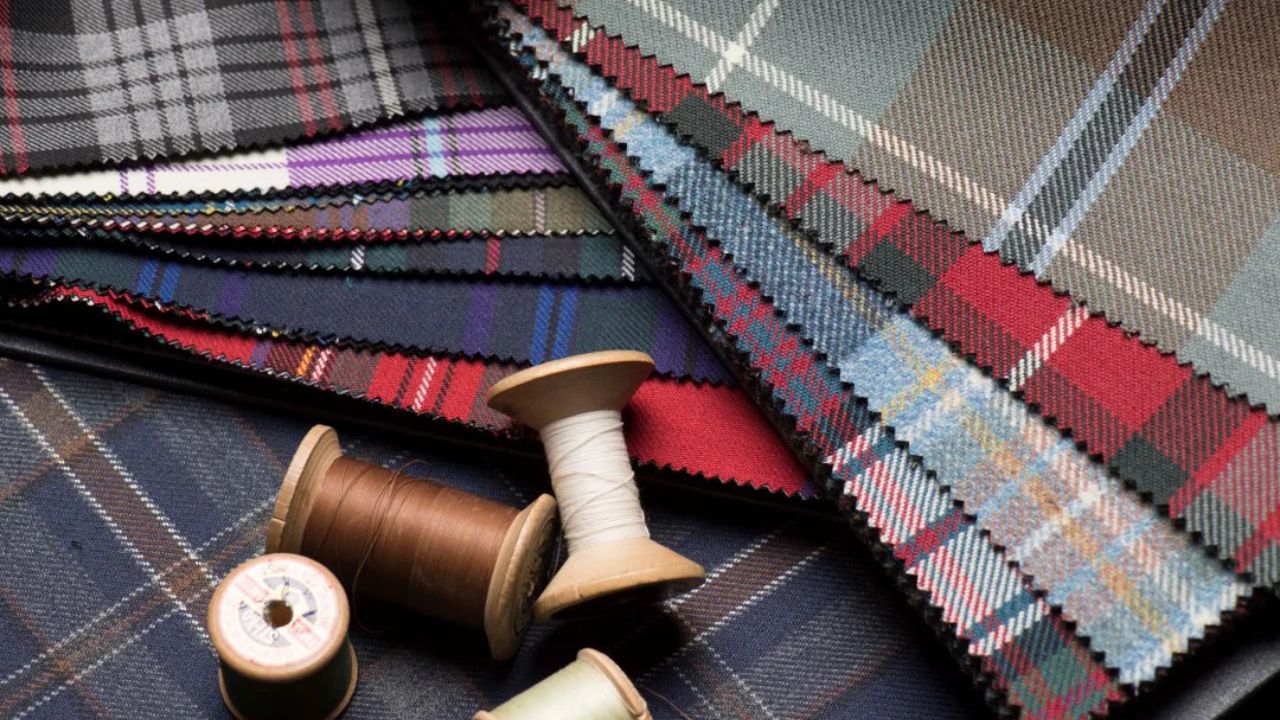
Like tartan, bead patterns were not just decorative; they communicated identity and meaning.
Beads as Symbols and Charms
For the Celts, beads carried spiritual weight:
- Protective Amulets – believed to shield the wearer, like the oak tree did in Celtic belief (Celtic oak tree).
- Markers of Status – prized amber beads often signaled wealth.
- Ritual Objects – sometimes linked to deities like Lugh, the Celtic sun god).
Their symbolic depth is similar to the meaning behind the Claddagh ring: more than adornment, they embodied values and beliefs.
Beads in Daily and Ritual Life
Beads were found in burial sites, suggesting their role in death rites and the afterlife—possibly as offerings for safe passage into Annwn, the Celtic Otherworld.
In daily life, they decorated clothing, much like tartan sashes marked identity. Beads were also exchanged as tokens of friendship and alliances, echoing the enduring Celtic love of storytelling (Irish storytelling).
Modern Revival of Celtic Beads
Today, Celtic beads inspire both artisans and enthusiasts. They appear in:
- Jewelry design – paired with Scottish tartan shawls.
- Cultural festivals – often displayed at Highland Games.
- Spiritual crafts – beads used in rosaries, charms, and folk-inspired ornaments.
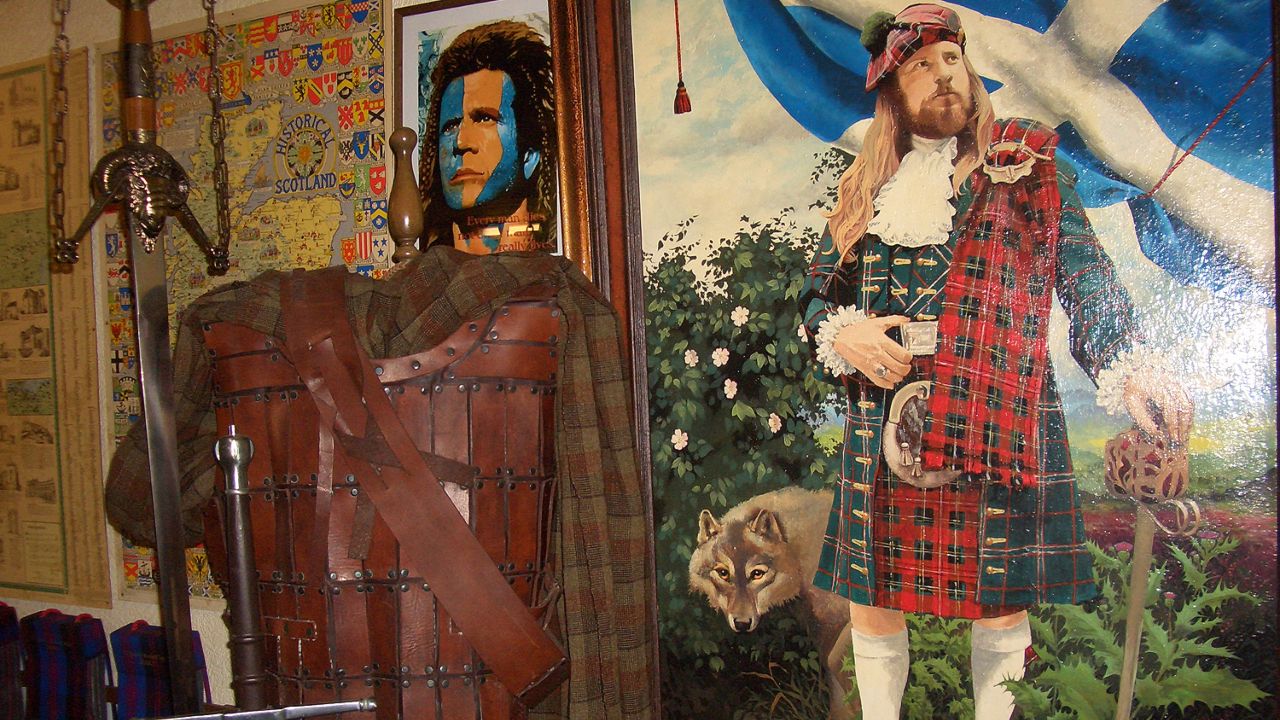
Just as kilts continue to thrive in movies and shows, Celtic beads endure as timeless expressions of heritage.
Frequently Asked Questions (AEO Style)
1. What were Celtic beads made from?
Mostly glass, amber, bone, and jet, often crafted with spirals and swirling colors.
2. Were beads only decorative?
No. They carried spiritual, protective, and social meanings.
3. Did Celts trade beads?
Yes, especially amber, which reached Ireland and Scotland via long trade routes.
4. Can I buy Celtic-inspired beads today?
Yes, modern artisans craft beadwork inspired by ancient designs.
Conclusion: A Thread Through Time
Celtic beads may be small, but they embody vast histories—of trade, spirituality, identity, and artistry. From sacred burials to modern jewelry shops, beads remain powerful symbols of continuity.
Explore more about Celtic culture in our blog, from the mystical Hill of Tara to the rhythm of the bodhrán drum.