Gaelic Tales of the Cailleach: The Winter Hag of Celtic Lore

Introduction: Who is the Cailleach?
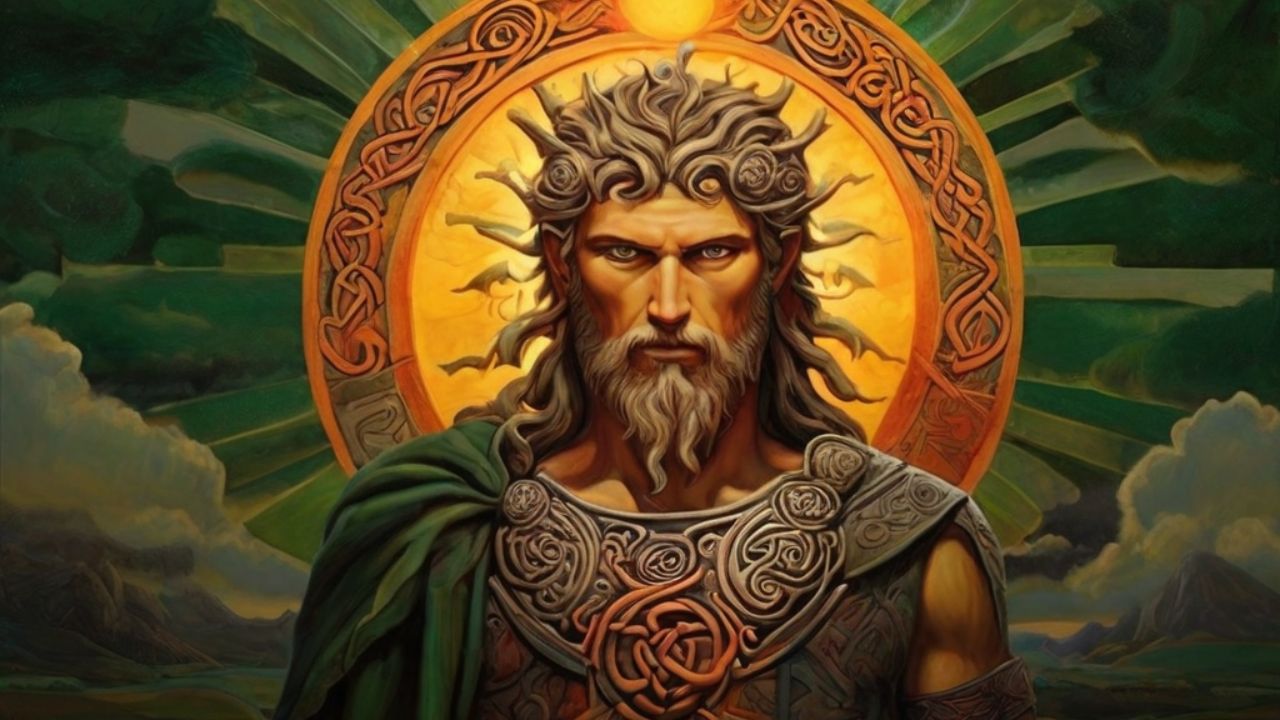
In the deep folds of Gaelic mythology, the Cailleach emerges as a powerful and enigmatic figure, often portrayed as an ancient hag who commands the seasons, sculpts the mountains, and embodies the harshness of winter. She is not merely a villainous crone but a symbol of transformation, wisdom, and the cyclical rhythm of life and death.
Much like the way Irish storytellers kept oral traditions alive, tales of the Cailleach were passed down through generations, shaping Celtic views of nature, time, and survival.
The Cailleach in Mythology
The Cailleach appears across Ireland and Scotland, with each region adding its own layers to her story:
- In Scottish Gaelic tradition, she is the Cailleach Bheur, credited with creating mountains by dropping stones from her creel.
- In Irish myth, she is linked to sovereignty and fertility, balancing her wintery severity with the promise of renewal.
- Some tales depict her as the opposite of Brigid, the youthful goddess of spring, together embodying the eternal dance between life and death, warmth and cold.
Shaper of the Land
The Cailleach is not simply myth; she is geography incarnate. Legends claim she carved valleys, raised hills, and created lochs with the sweep of her staff. Places like Ben Nevis and Loch Awe are tied to her mythic presence.
Just as Celtic stone carvings preserve ancestral memory in physical form, the landscape itself becomes a monument to the Cailleach’s enduring power.
Seasonal Symbolism: Winter’s Grip
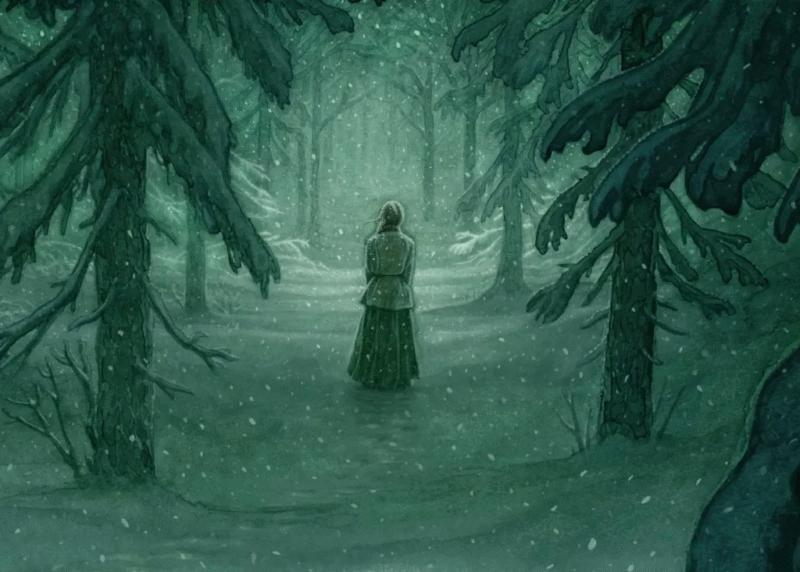
The Cailleach embodies the hardships of winter; barren fields, stormy seas, and biting winds. Yet, she is not a force of malice. Rather, she ensures the necessary balance of cycles, teaching resilience and respect for the earth’s natural order.
Her myths connect with agricultural practices, much like how Gaelic proverbs often encode practical wisdom about weather, farming, and survival.
Cailleach in Storytelling Tradition
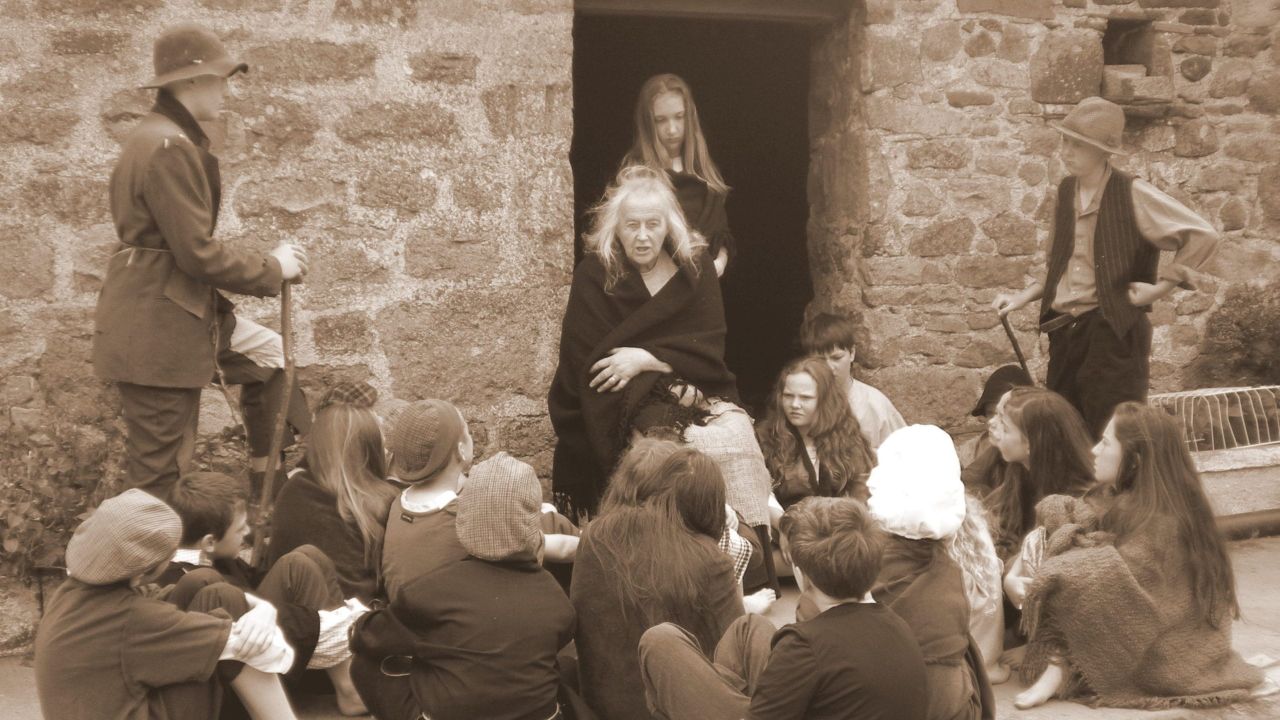
Gaelic communities never saw the Cailleach as a one-dimensional villain. Instead, she was a teacher and a mirror of human endurance. Storytellers would share her tales around winter fires, using her myths to explain natural phenomena and to remind listeners of the power of patience and renewal.
This mirrors how the oral storytelling tradition shaped so many aspects of Celtic life, from folk music to the enduring myths of selkies.
The Duality of the Cailleach
The Cailleach is at once terrifying and necessary:
- Destroyer and Creator – She ends life but also lays the foundation for new growth.
- Old Hag and Wise Mother – She represents decay yet also the wisdom of time.
- Winter and Spring’s Rival – When she yields to Brigid, the seasons turn.
This duality reflects the Celtic worldview: nothing exists in isolation, and even death is part of continuity.
Legacy of the Cailleach in Celtic Culture
Even today, the Cailleach remains a potent figure in folklore, festivals, and even modern Pagan traditions. She represents:
- The power of nature over humanity
- The wisdom of cycles and change
- A reminder of resilience in adversity
Her myths endure much like the timeless tartan patterns, woven into cultural memory and identity.
Conclusion: Why the Cailleach Still Matters
The Gaelic tales of the Cailleach are not relics of a forgotten past—they are living reminders of the interconnectedness of nature, myth, and human survival. Her stories remind us that even in the darkest winters, renewal waits on the horizon.
For readers fascinated by Celtic myth, exploring her tales opens a window into how ancient communities understood not just their environment, but the deeper rhythms of existence. To continue your journey through Celtic lore, visit our blog archives for more.