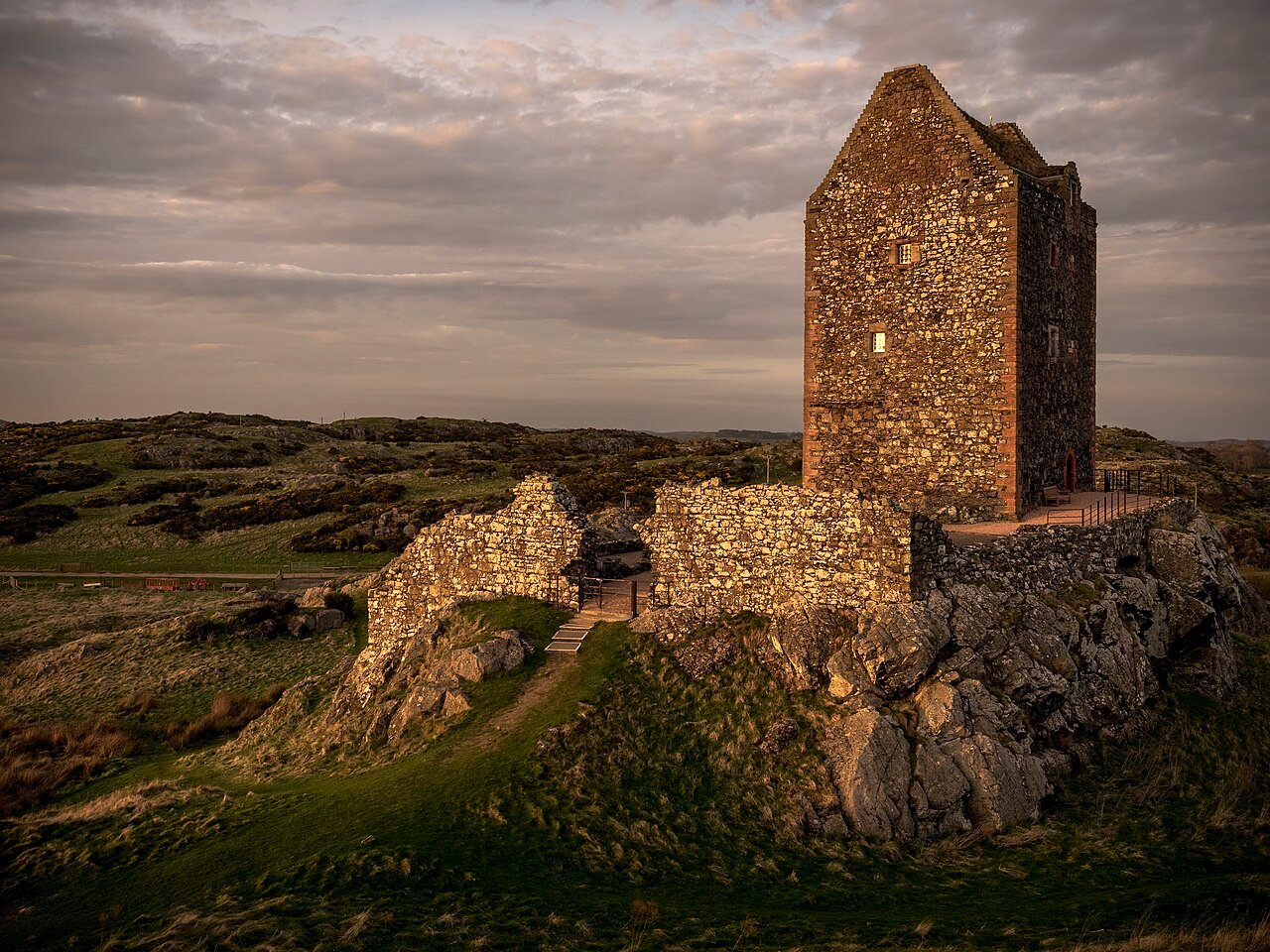
Gaelic Story of Finn MacCool Explained
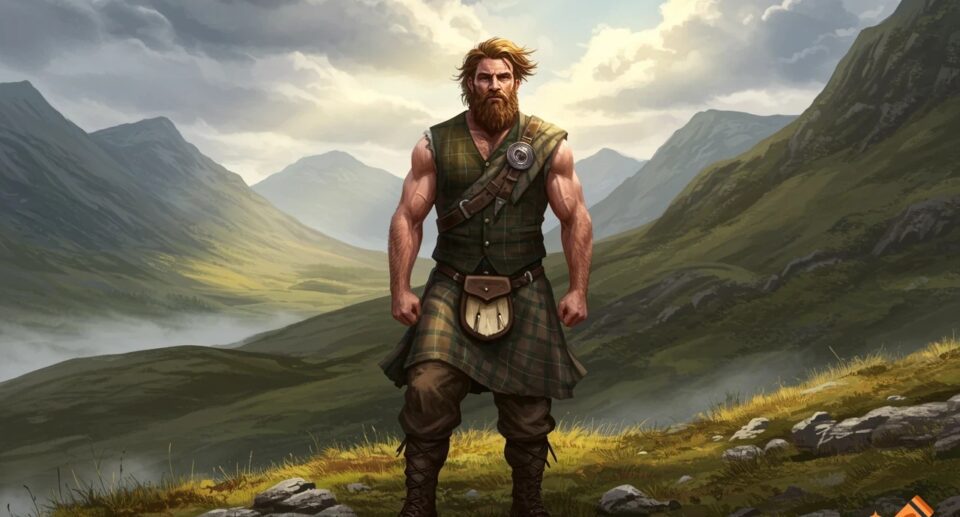
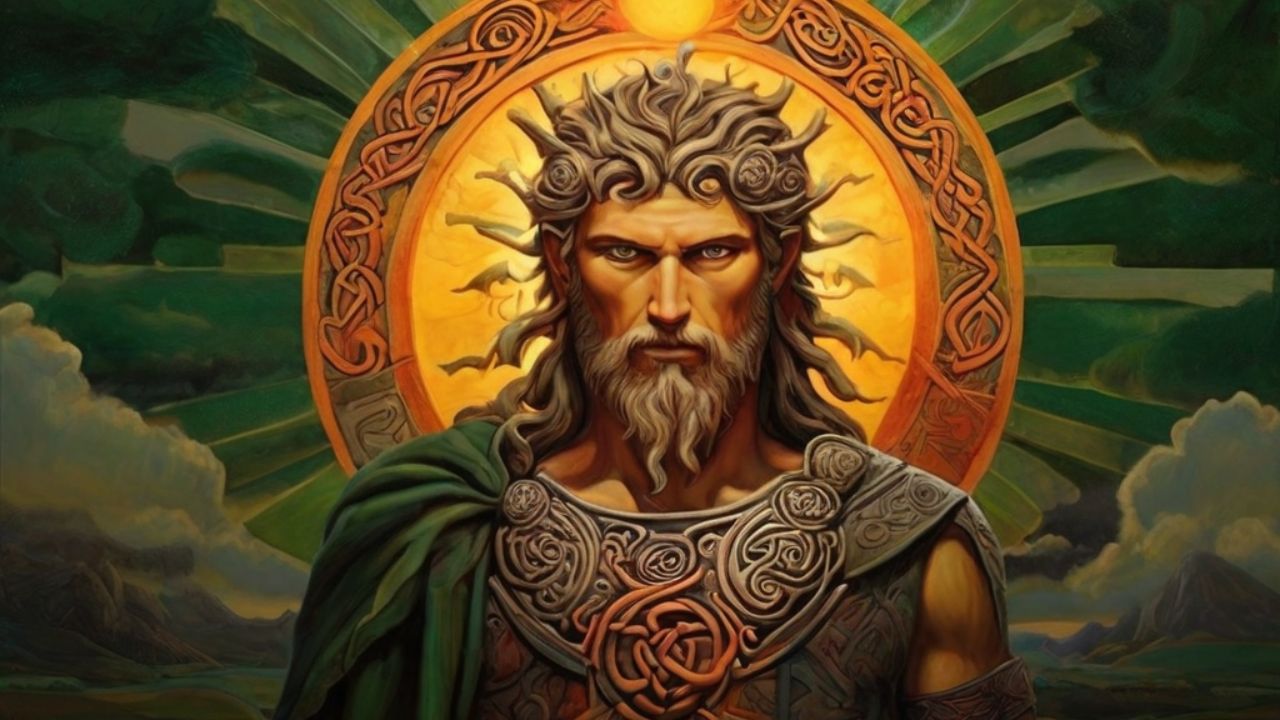
Few figures stride across Gaelic legend with the confidence of Finn MacCool, or Fionn mac Cumhaill. Warrior, poet, hunter, and sage, Finn occupies a central place in Irish and Scottish storytelling. His tales belong to the Fenian Cycle, one of the great narrative traditions of the Gaelic world.
When we explore Finn’s story, we enter a landscape where myth and memory intertwine. Hills speak. Giants build causeways. Salmon grant wisdom. The story feels vast, yet deeply human.
Who Was Finn MacCool?
Finn MacCool led the Fianna, a band of elite warriors who protected Ireland’s High King. Tradition places him in the third century, though legend stretches far beyond historical certainty.
His father, Cumhaill, led the Fianna before rival factions killed him. Finn’s mother hid the boy in the wilderness to keep him safe. There, he trained in poetry and combat. From the outset, his story combines intellect and strength.
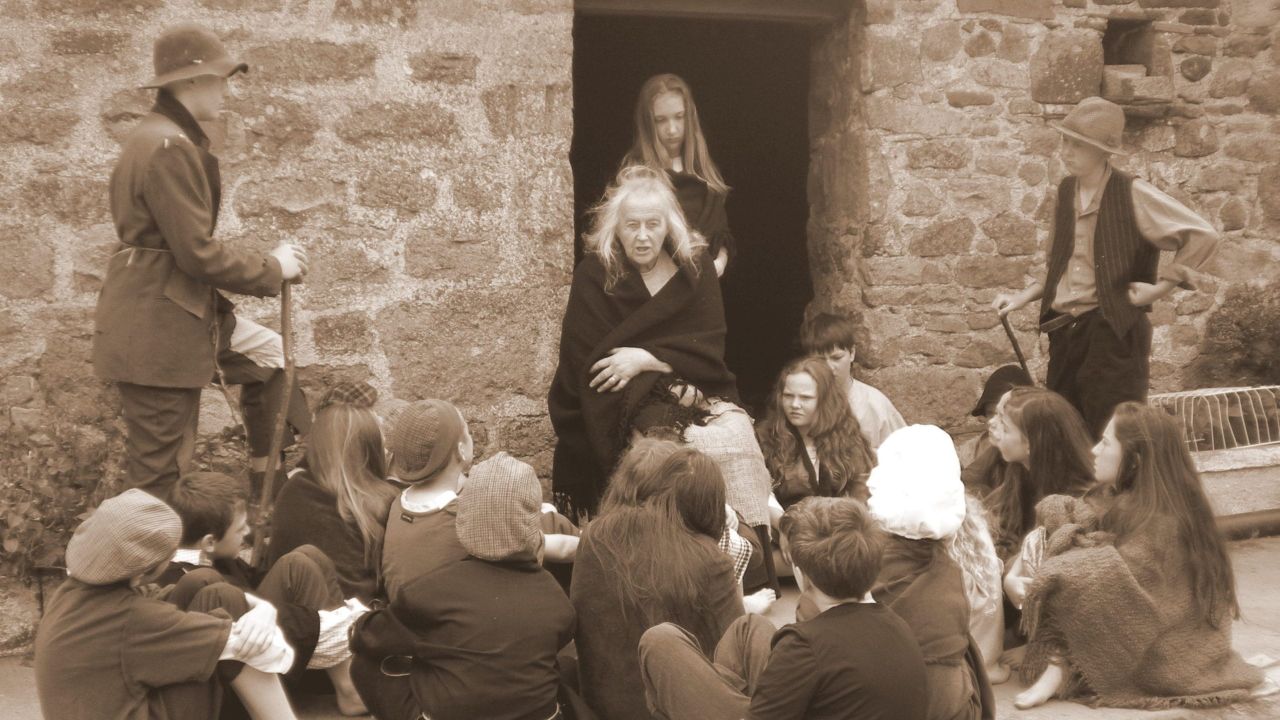
The Gaelic tradition values storytelling as cultural inheritance. If you wish to understand that oral depth, explore Why Are Irish People Natural Storytellers?
https://celtguide.com/why-are-irish-people-natural-storytellers/
Finn’s legend survives because generations chose to tell it.
The Salmon of Knowledge
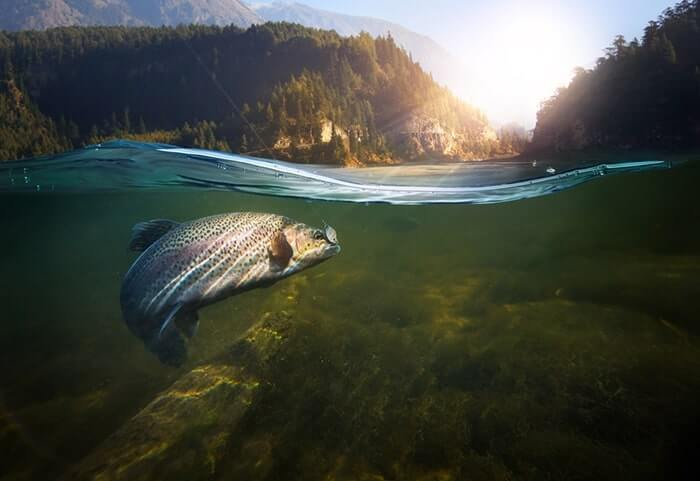
One of the most beloved Gaelic tales recounts Finn’s acquisition of wisdom. As a youth, he studied under the poet Finegas. Finegas sought the mythical Salmon of Knowledge, a fish said to contain all the world’s wisdom.
When Finegas finally caught the salmon, he asked Finn to cook it. As Finn turned the fish, hot fat burned his thumb. Instinctively, he placed the thumb in his mouth. In that moment, wisdom flooded his mind.
From then on, Finn could access insight by biting his thumb.
This episode reflects a key Gaelic theme: knowledge requires humility and patience. Proverbs often express similar values. For related cultural insight, see Gaelic Irish Proverbs
https://celtguide.com/gaelic-irish-proverbs/
Wisdom, in Gaelic tradition, always carries moral responsibility.
Finn and the Giant’s Causeway
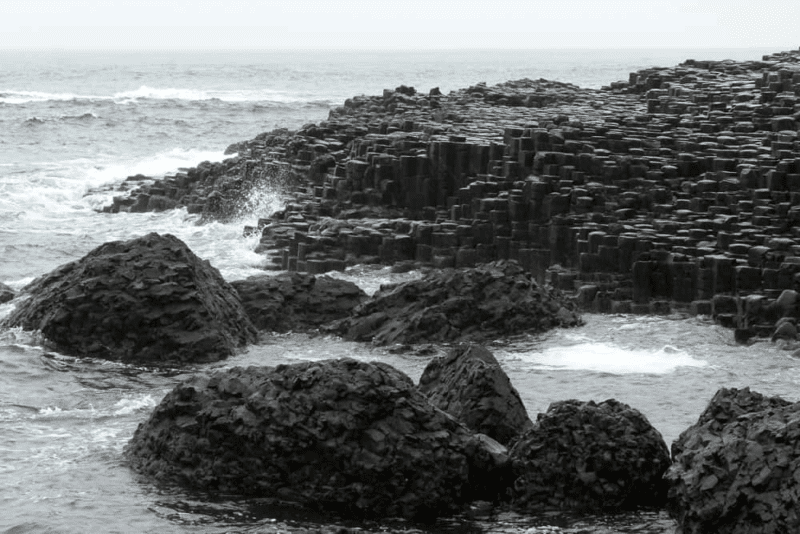
Perhaps the most famous story links Finn to the Giant’s Causeway. According to legend, Finn built a stone bridge across the sea to confront the Scottish giant Benandonner. When Finn saw the enormous size of his opponent, he reconsidered.
His clever wife, Oonagh, disguised Finn as a baby. When Benandonner saw the “child,” he imagined the father’s immense size and fled back to Scotland, tearing up the causeway behind him.
This story connects Ireland and Scotland through shared myth. The landscape itself becomes narrative.
If you are fascinated by sacred and storied places, explore the Legend of the Fairy Glen
https://celtguide.com/legend-of-the-fairy-glen/
Celtic folklore often transforms geography into living memory.
Leader of the Fianna
Finn’s authority did not rest solely on strength. He required loyalty, courage, and poetic skill from his warriors. The Fianna trained in forests, survived harsh conditions, and upheld strict codes of honour.
Their world resembles other Celtic warrior traditions. Material culture, such as weapons and attire, reinforced identity. For insight into Celtic arms, read What Is a Dirk Knife?
https://celtguide.com/what-is-a-dirk-knife/
Music also played a role in communal life. To appreciate Celtic musical heritage, see What Is a Clarsach?
https://celtguide.com/what-is-a-clarsach-a-comprehensive-guide-to-the-celtic-harp/
Warriors listened to poetry and harp songs as much as they wielded swords.
Love, Loss, and Tragedy
Finn’s life contains sorrow as well as triumph. The tragic tale of Diarmuid and Gráinne recounts betrayal and heartbreak. Gráinne, promised to Finn, fled with the young warrior Diarmuid. Finn pursued them across Ireland.
Years later, Finn had the chance to save Diarmuid from a fatal wound. Hesitation cost a life. The episode reveals Finn’s complexity. He embodies wisdom and flaw, generosity and pride.
Gaelic mythology rarely presents flawless heroes. It presents layered humanity.
If you wish to explore broader Celtic mythic worlds, you might enjoy What Is Annwn?
https://celtguide.com/what-is-annwn/
Such stories enrich our understanding of interconnected Celtic traditions.
Finn MacCool in Cultural Memory
Today, Finn MacCool remains central to Irish and Scottish folklore. His name echoes in place names, poetry, and festivals. Saint Patrick’s Day celebrations often revive interest in mythic heroes who shaped identity. For cultural context, see The Significance of Saint Patrick’s Day
https://celtguide.com/the-significance-of-saint-patricks-day/
Modern readers encounter Finn through books, tourism, and oral retellings. Yet his essence remains rooted in Gaelic language and landscape.
Why Finn MacCool Still Matters
Finn MacCool embodies the balance between strength and wisdom. He shows that leadership demands intellect as well as courage. His tales bridge Ireland and Scotland, reminding us that Gaelic culture transcends borders.
As scholars and readers, we should not treat these stories as childish fantasy. They encode ethical frameworks, ecological awareness, and communal memory.
To explore more Celtic heritage and mythology, visit our main blog hub
https://celtguide.com/blog/
Or browse related pieces in the Mythology & Folklore category
https://celtguide.com/category/mythology-folklore/
Finn MacCool’s story endures because it speaks to something enduring in us: the desire for wisdom, belonging, and meaning in a vast landscape.