Celtic Triple Goddess Symbolism: Meaning, Myth, and Sacred Power
The Celtic world understood life as cyclical. Birth flowed into growth, growth into decline, and decline into renewal. This worldview shaped one of the most enduring symbols in Celtic belief: the Triple Goddess.
Rather than a single deity, the Triple Goddess expresses power through three interlinked forms. She embodies time, nature, and transformation. To study her symbolism is to understand how the Celts viewed life itself.
What Is the Celtic Triple Goddess?
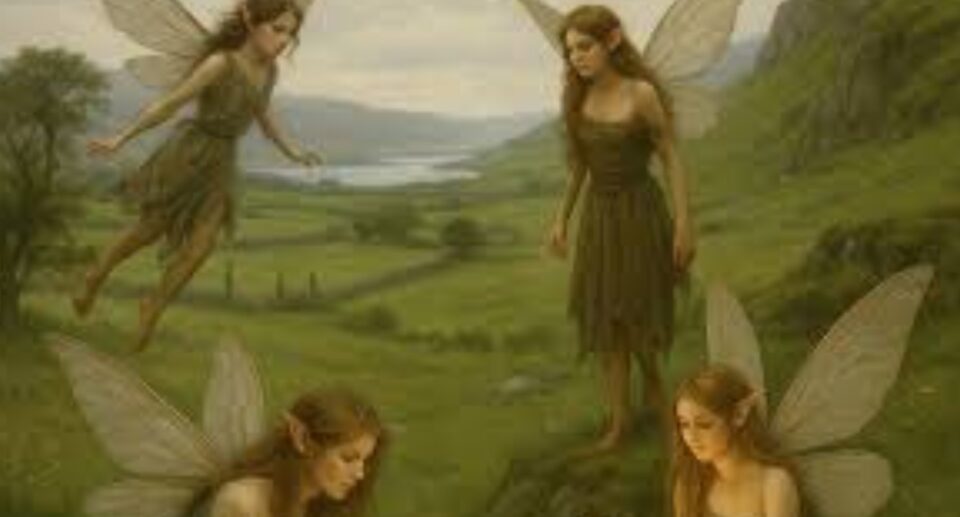
The Celtic Triple Goddess represents a threefold divine feminine presence. She often appears as Maiden, Mother, and Crone, though ancient sources describe her less rigidly. Each aspect reflects a stage of life, a season, and a cosmic function.
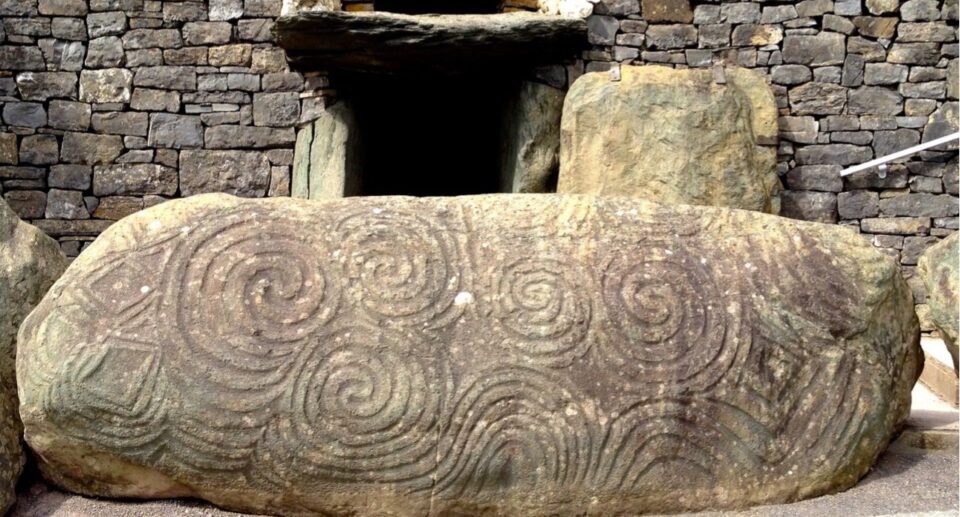
This threefold structure aligns with a broader Celtic pattern. You see it in triple spirals, triads in poetry, and repeated motifs in sacred art. For visual parallels, explore Celtic Stone Carvings.
Maiden, Mother, and Crone: A Symbolic Framework
The Maiden represents youth, potential, and beginnings. She aligns with spring and the waxing moon. The Mother embodies fertility, protection, and abundance. She reflects summer and fullness. The Crone signifies wisdom, endings, and transformation. She governs winter and the waning moon.
Importantly, Celtic belief did not rank these aspects. Each carried equal power. This balance reflects a worldview that valued continuity over dominance.
This layered storytelling approach mirrors the oral traditions discussed in Why Are Irish People Natural Storytellers?.
Triple Goddesses in Celtic Mythology
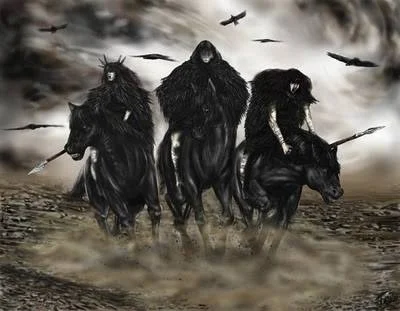
Several Celtic goddesses appear in triadic form. The Morrígan, often shown as three sisters, governs sovereignty, fate, and battle. Brigid, associated with healing, poetry, and smithcraft, also reflects triple aspects.
These goddesses did not exist in isolation. They shaped kingship, land fertility, and communal wellbeing. Sacred sites like The Hill of Tara reflect this divine connection between goddess, land, and rule.
Symbolism of Threes in Celtic Culture
The number three held deep symbolic meaning in Celtic thought. It suggested completeness without finality. Unlike fixed endings, three implies motion and return.
You see this symbolism in Celtic knots, triple spirals, and even musical rhythms. Instruments like the bodhrán often carried ritual significance, as explored in The Bodhrán Drum.
The Triple Goddess fits naturally within this structure. She represents life not as a straight line, but as a sacred circle.
Sacred Landscapes and the Triple Goddess
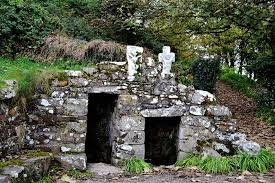
Many natural sites reflect Triple Goddess symbolism. Wells, rivers, and groves often appear in groups of three. These places functioned as ritual spaces, particularly for women.
This spiritual geography connects strongly with traditions explored in Irish Holy Wells. Water, land, and sky formed a triad that mirrored the goddess herself.
Modern Interpretations and Cultural Legacy
Today, the Triple Goddess resonates in modern spirituality, art, and literature. Neo-pagan traditions often draw from Celtic symbolism, though scholars urge careful distinction between ancient belief and modern adaptation.
Even so, the symbol remains powerful. It speaks to balance, respect for aging, and harmony with nature. In a fast-paced world, this ancient framework still offers meaning.
Why the Celtic Triple Goddess Still Matters
The Celtic Triple Goddess reminds us that life moves in cycles. Each phase holds dignity. Each ending carries a beginning.
By studying her symbolism, we gain insight into Celtic values that honoured wisdom, land, and continuity. The Triple Goddess does not demand worship. She invites understanding.
That invitation remains open today.