Celtic Boat Building Art: Crafting Vessels of Heritage and Sea
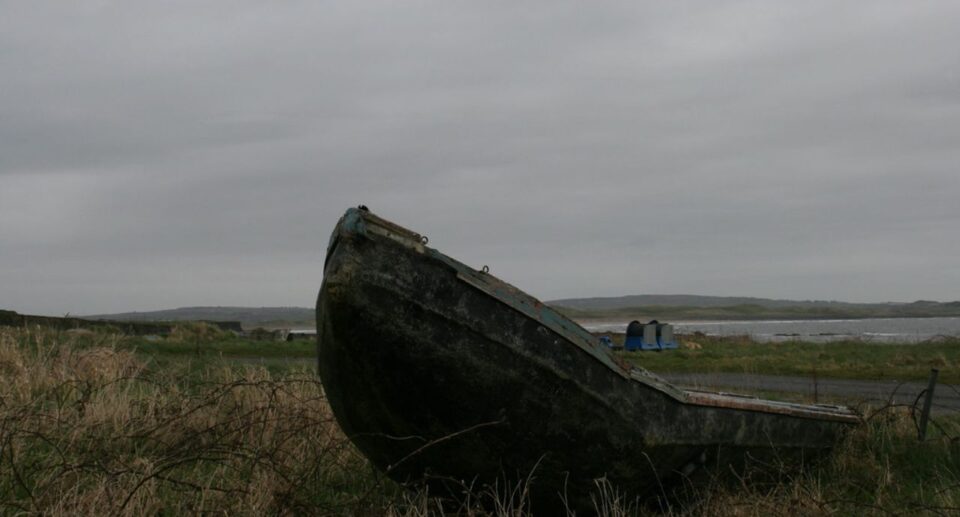
The Celts were not just warriors, poets, and storytellers (see Irish storytelling), they were also extraordinary craftsmen of the water. Their boats, from lightweight currachs to sturdy logboats, carried them across rivers, seas, and into legend. Celtic boat building was not mere utility; it was art, shaped by environment, necessity, and imagination.
The Currach: A Masterpiece of Lightness and Strength
Perhaps the most iconic Celtic vessel is the currach, a lightweight frame boat covered with animal hide or tarred canvas. These boats could glide across waves with ease, serving fishermen, traders, and monks on daring voyages.
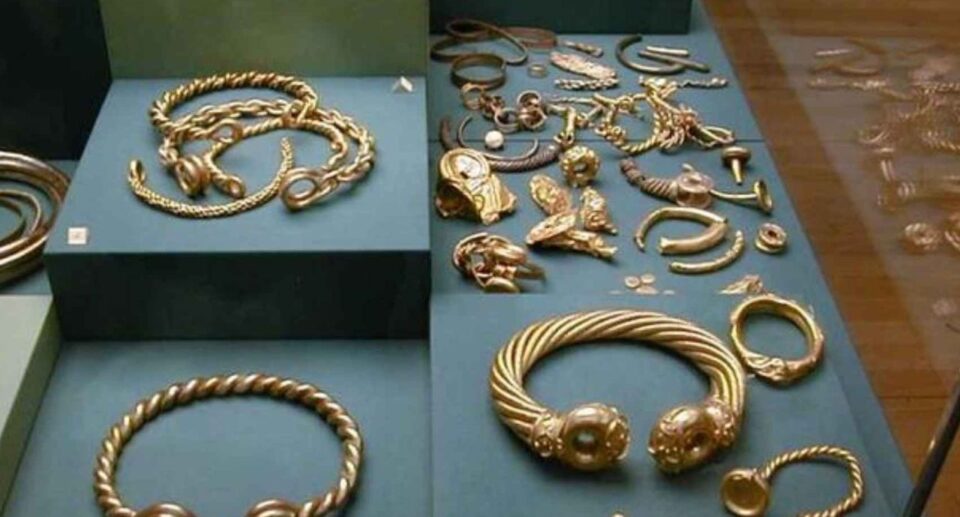
The currach symbolizes the Celtic genius for blending practicality with beauty much like their skill in stone carvings or jewelry. Even today, communities in western Ireland keep this tradition alive.
Logboats: Ancient Giants of the Water
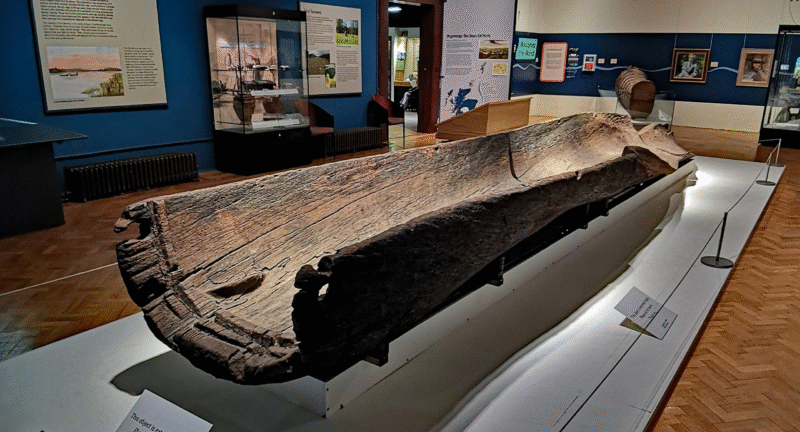
Long before the currach, the Celts crafted logboats—hollowed from massive oak trunks. These were robust vessels capable of transporting warriors, livestock, and goods. Archaeological finds show that some stretched over 15 meters, reflecting both engineering skill and access to sacred trees, such as the revered Celtic oak.
Boats in Celtic Culture and Myth
Celtic boats were not just transport, they carried meaning. Water itself was sacred, a portal to the divine (as seen in holy wells). Boats often appeared in myths as vessels of transition: guiding souls, carrying heroes, or connecting mortal and otherworldly realms.
The sea was both a frontier and a bridge, linking Celts across Ireland, Scotland, and continental Europe. Their skill on water ensured cultural exchange as much as survival.
Materials, Tools, and Craftsmanship
Celtic boat building drew on resources close at hand:
- Oak and ash for frames and logboats
- Animal hides and tar for waterproofing currachs
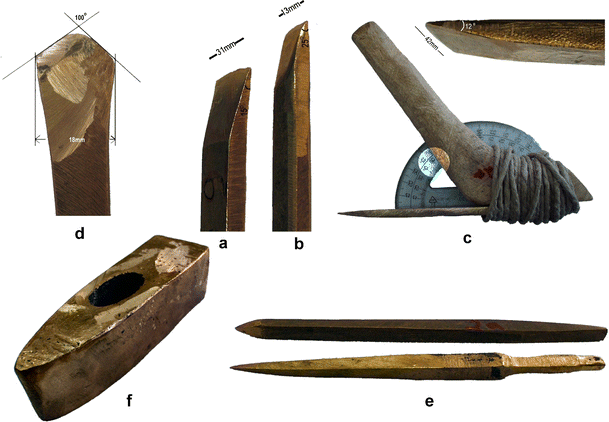
- Bone, antler, and iron tools for carving and binding
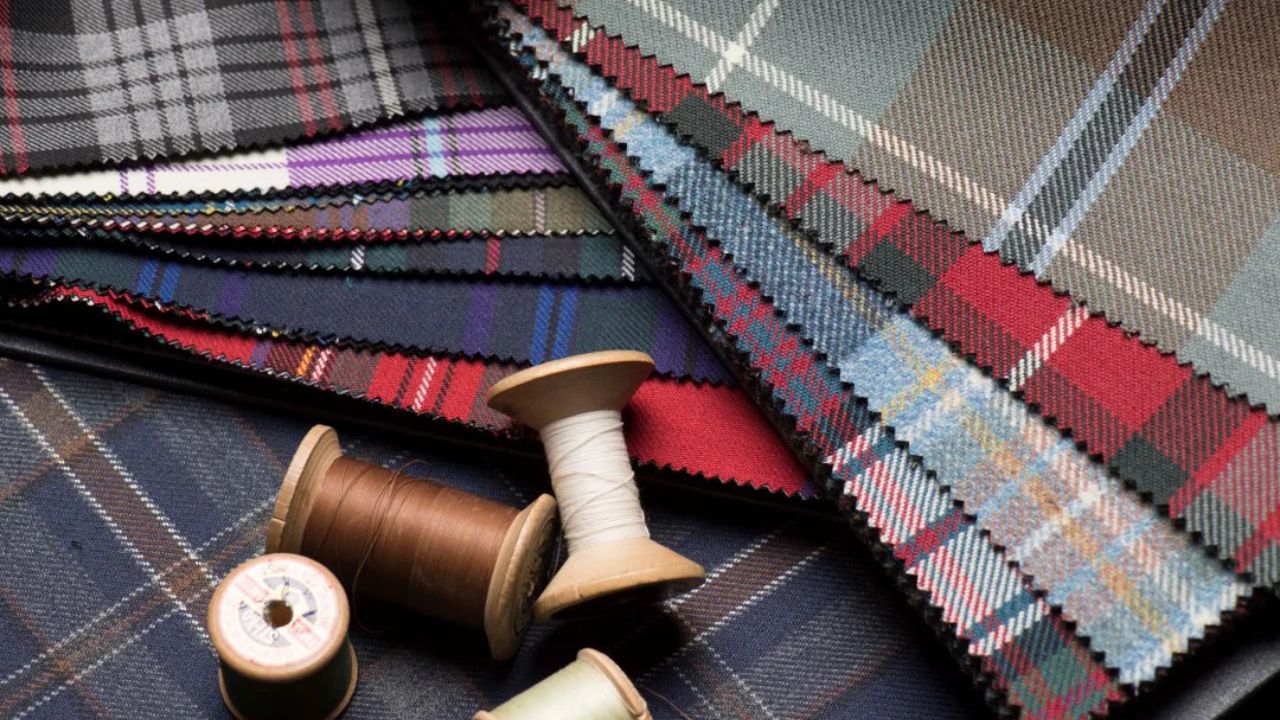
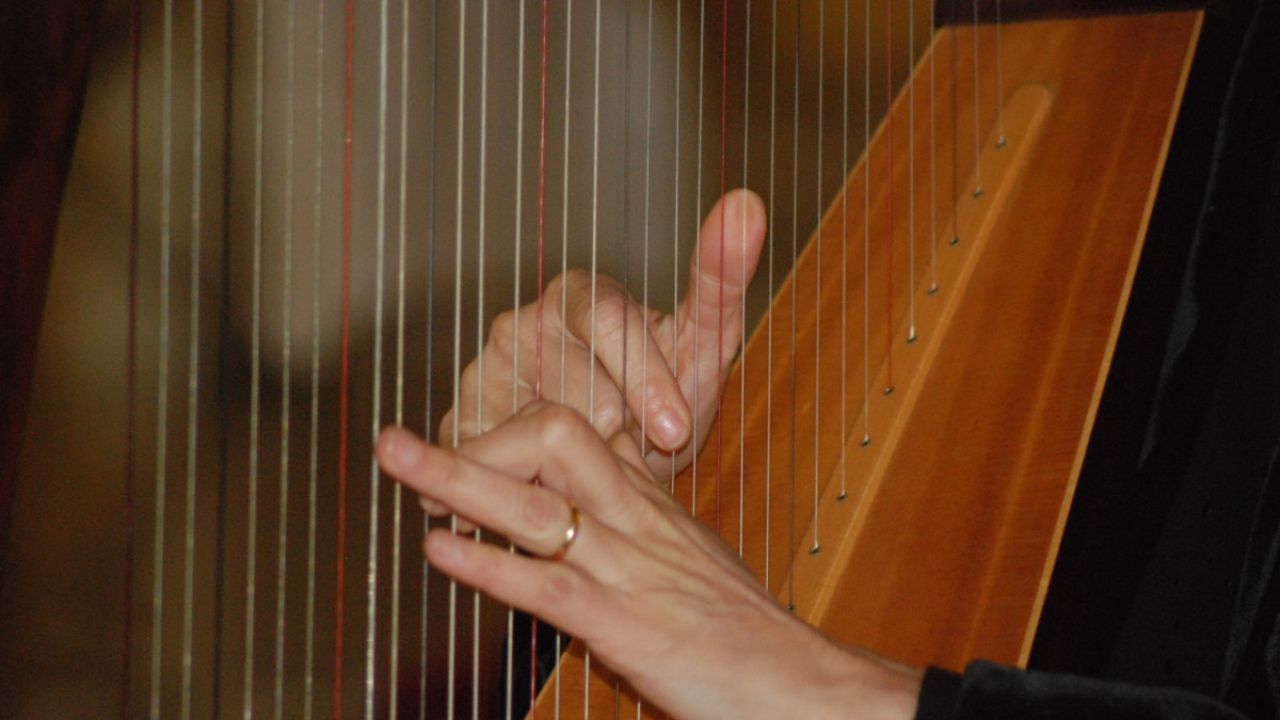
The process mirrored Celtic artistry elsewhere, such as the weaving of tartan or the shaping of musical instruments like the clarsach harp). Every vessel was both practical and deeply aesthetic.
Legacy of Celtic Boat Building
Though modern technology has replaced ancient techniques, the currach and logboat remain symbols of resilience and ingenuity. They tell us that Celtic culture was never confined to land, it thrived on water. To explore more on Celtic traditions, visit our culture and tradition section.