


Bronze Age Hoards: Unearthing the Treasures of Ancient Celtic Lands

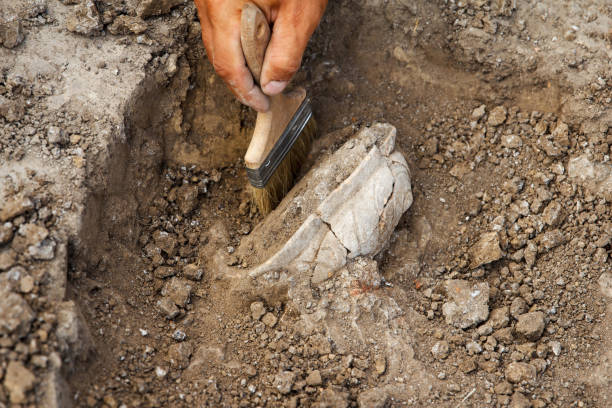
Bronze Age hoards spark curiosity the moment we uncover them. Whether found buried in fields, hidden in peat bogs, or tucked beside ancient waterways, these collections of metal objects tell stories that written records never captured. They reveal how early Celtic communities expressed belief, wealth, ritual, and identity.
If you enjoy uncovering stories hidden beneath the surface, you might also appreciate our guide on Celtic Stone Carvings, which shows how ancient artisans shaped symbols into stone.
What Exactly Is a Bronze Age Hoard?
A hoard is a deliberate collection of valuable objects buried together. In the Bronze Age, this usually included tools, swords, axes, spearheads, and decorative ornaments. Some hoards contain items in perfect condition, while others include broken pieces, a detail that often sparks debate.
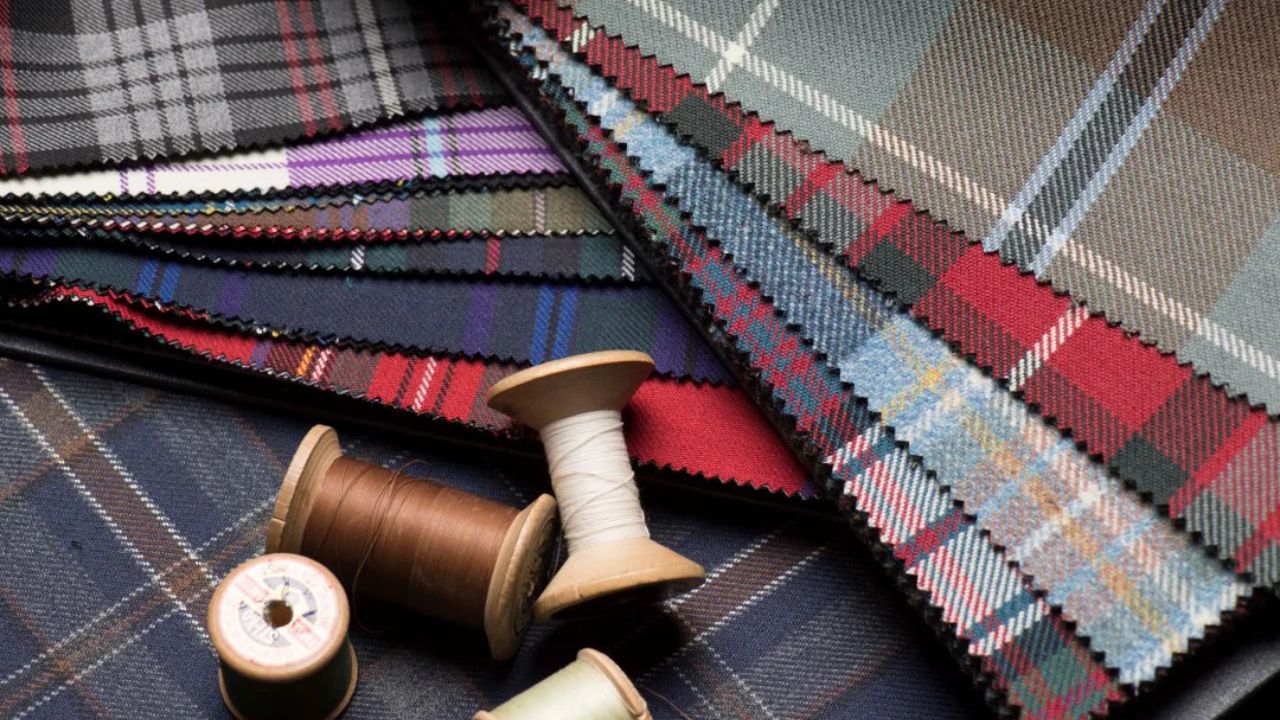
These finds remind us that Bronze Age Europe wasn’t a static world. It moved through cycles of trade, conflict, craft, and ritual. Just as tartan evolved over centuries, explored in What Is Tartan?, hoarding practices shifted with cultural needs and beliefs.

Why Were Hoards Buried?
Archaeologists continue to debate the purpose of these hoards, but several theories stand out.
1. Ritual Offerings
Many hoards appear near water sources — rivers, lakes, or marshes. These spots often held spiritual meaning. Depositing metal into the earth or water may have been a way to communicate with deities, honor ancestors, or ask for protection.
This idea resonates with Irish holy sites discussed in Irish Holy Wells, where offerings also created a bridge between people and the sacred.
2. Wealth Storage
Bronze was precious. Burying tools or metal ingots could act as a prehistoric savings account. The owner might plan to return, though many never did.
3. Crafting and Recycling
Some hoards contain fragments or unfinished pieces, suggesting that metalworkers buried material to reclaim later. Given the value of bronze, nothing went to waste.
4. Marking Territory or Status
Some hoards appear in borderlands or open landscapes. They may have acted as symbols of power or markers of clan boundaries.
What Hoards Tell Us About Early Celtic Craftsmanship
Bronze Age hoards reveal impressive skill. Smiths cast tools with precision, shaped swords with balance in mind, and decorated ornaments with spirals that echo designs seen in later Celtic art. The triskele-like patterns seen on some Bronze Age pieces mirror motifs still discussed in Celtic mythology, including in our article on Celtic Sun God Lugh.
These artefacts show that creativity thrived long before formal Celtic cultures emerged in the Iron Age. Techniques passed from generation to generation, like knowledge preserved in Gaelic storytelling traditions explored at Why Are Irish People Natural Storytellers?.

Famous Bronze Age Hoards in Celtic Regions
Many hoards found across Scotland, Ireland, and Wales reveal shared traditions across Celtic lands.
The Dowris Hoard (Ireland)
One of the largest Bronze Age hoards ever discovered. It contains musical horns, tools, and weapons. Its variety hints at ritual use.
The Moel Arthur Hoard (Wales)
Discovered near a hillfort, this hoard included broken weapons. Some scholars think it symbolized a ritual “death” of tools.
The Coleslogie Hoard (Scotland)
Found in Aberdeenshire, it included axes and spearheads. Its placement suggests it served as a votive offering.
These finds highlight how interconnected Bronze Age communities were, even across vast distances.
How Hoards Connect Us to Celtic Identity Today
Bronze Age hoards spark the same wonder as standing stones and ancient glens. They remind us that early Europeans weren’t distant strangers. They were storytellers, craftsmen, and believers.
Exploring these hoards feels similar to walking through a Highland landscape, like the beautiful Isle of Mull, where history lies just beneath the soil.
And for readers interested in how ancient symbols continue to shape identity, our guide on How Many Scottish Clans Exist? offers a modern continuation of these deep cultural threads.
Conclusion
Bronze Age hoards help us read the unwritten chapters of early Celtic Europe. They show us how ancient people handled faith, wealth, craft, and memory. Each hoard is a conversation across time — a reminder that the past still speaks, if we listen.
For more Celtic stories, visit our CeltGuide blog.