
The Wren Boys Tradition in Ireland: History, Meaning, and Modern Celebrations
Ireland has preserved countless traditions that connect modern communities with ancient stories. Among these customs, the Wren Boys tradition remains one of the most fascinating examples of Irish folklore, music, and community celebration.
Celebrated mainly on St Stephen’s Day (26 December), this tradition combines songs, costumes, storytelling, and old beliefs connected with the natural world.
Although fewer communities practise it today, the Wren Boys tradition continues to represent the heart of Irish cultural identity.
What Is the Wren Boys Tradition?
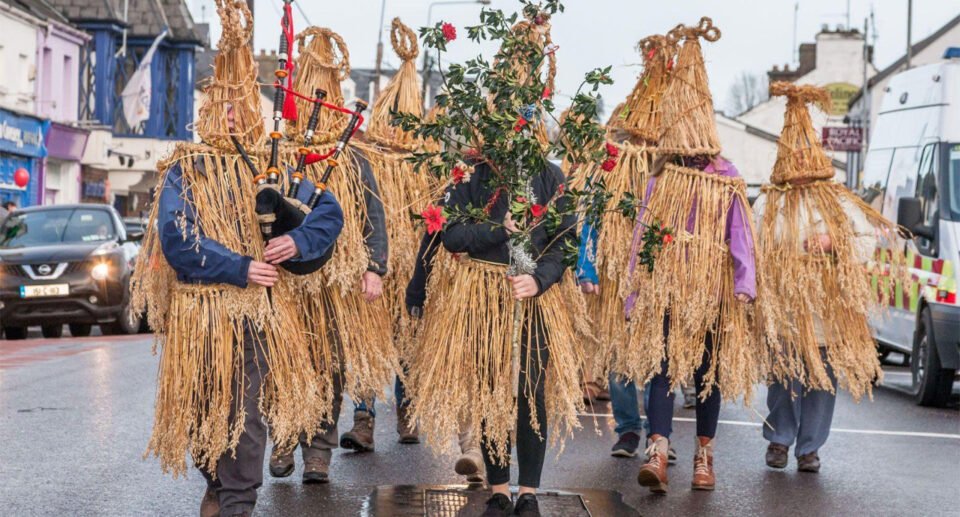
The Wren Boys tradition is an Irish custom where groups of performers travel through villages on St Stephen’s Day. They dress in colourful costumes, wear masks, sing traditional songs, play instruments, and visit homes.
Traditionally, people offered donations or small gifts to the performers. The collected money often supported local celebrations and community gatherings.
The most famous song connected with this tradition begins:
“The wren, the wren, the king of all birds…”
The song reflects the symbolic importance of the wren bird in Irish folklore.
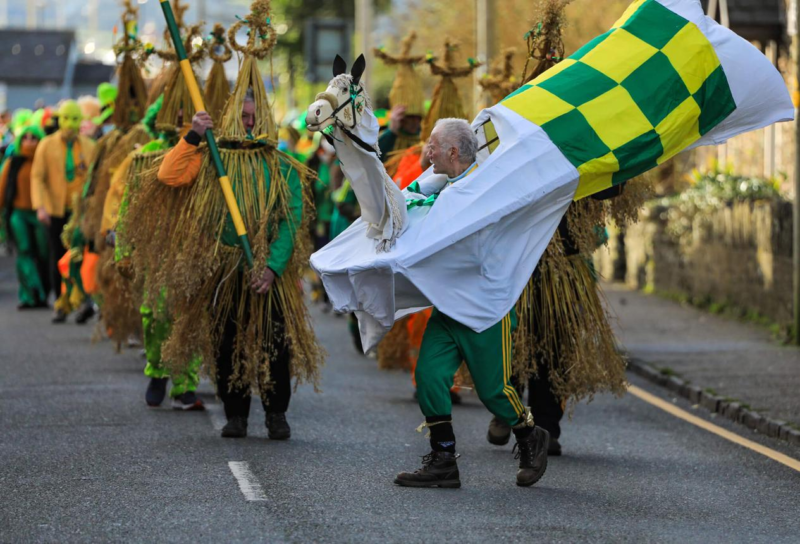
The Ancient Origins of the Wren Boys Tradition
The origins of the Wren Boys tradition reach deep into Irish history. Historians often connect it with a mixture of ancient Celtic beliefs and later Christian celebrations.
The wren became an important symbol in European folklore because of stories about its intelligence and survival.
One legend describes the wren as the “king of birds” because it defeated larger birds through cleverness rather than physical strength.
This idea reflects a common theme in Celtic storytelling: wisdom and intelligence often overcome power.
Irish mythology contains many examples of symbolic connections between people, animals, and nature. These themes appear throughout Celtic legends and traditions.
Why Is It Celebrated on St Stephen’s Day?
The Wren Boys tradition takes place on St Stephen’s Day, the day after Christmas.
The date has Christian importance because St Stephen became the first Christian martyr. Over time, Irish communities combined religious celebrations with local customs, music, and seasonal gatherings.
Winter traditions across Ireland often focused on community connection, storytelling, and welcoming a new cycle of life.
The Wren Boys celebration became a way for communities to gather together during the winter season.
The Importance of Music and Storytelling
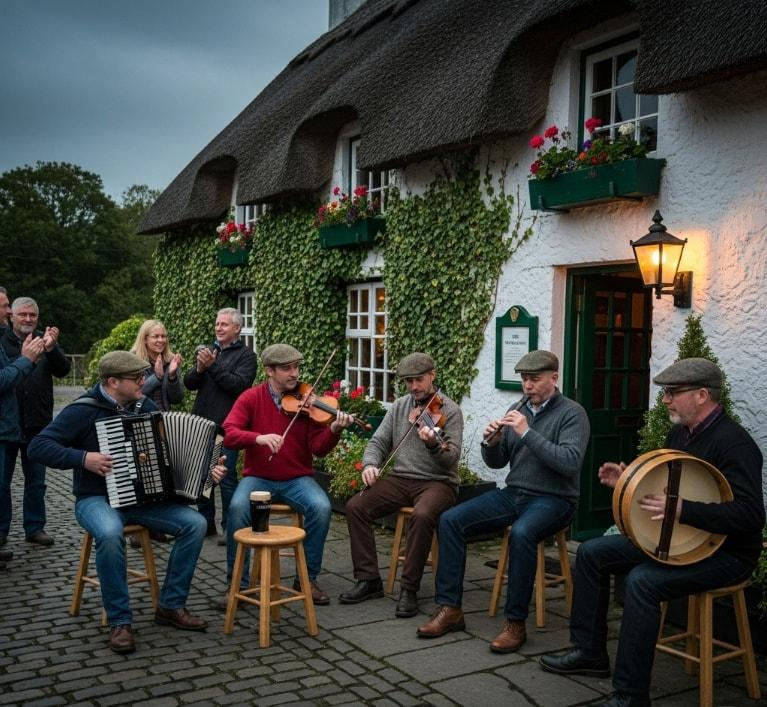
Music plays a central role in the Wren Boys tradition.
Performers often use traditional Irish instruments such as:
- Fiddle
- Bodhrán drum
- Whistle
- Other folk instruments
The songs and performances helped preserve local history before written records became common.
Irish culture has always valued storytelling. Songs, poems, and spoken traditions carried memories from one generation to another.
The Wren Boys tradition represents this powerful connection between music and cultural memory.
Traditional Wren Boys Costumes and Clothing
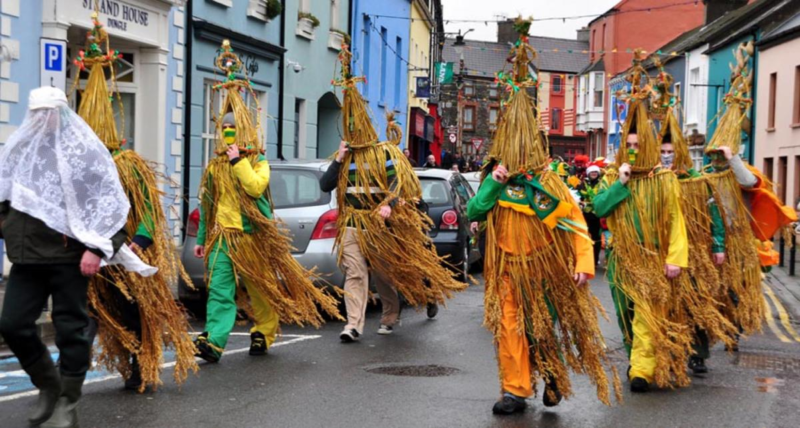
One of the most recognizable parts of the tradition is the clothing worn by performers.
Traditional Wren Boys costumes often include:
- Straw hats
- Colourful ribbons
- Masks
- Painted faces
- Handmade decorations
The costumes created a sense of mystery and celebration. They allowed performers to step away from everyday life and become part of a shared cultural performance.
Similar to other Irish and Celtic clothing traditions, costumes became a way to express heritage and identity.
The Symbolism of the Wren Bird
The wren may be a small bird, but Irish folklore gives it great symbolic meaning.
The bird represents:
- Cleverness
- Survival
- Adaptability
- Hidden strength
Celtic traditions often viewed nature as deeply connected with human life. Animals, trees, rivers, and landscapes frequently appeared in myths and stories.
The wren reminds people that even small creatures can hold powerful meaning.
Where Is the Wren Boys Tradition Still Practised?
Today, Wren Boys celebrations continue mainly in parts of rural Ireland, including areas of:
- County Kerry
- County Galway
- County Cork
- County Clare
Modern celebrations often focus on cultural preservation rather than collecting money.
Local communities, schools, musicians, and cultural groups continue teaching younger generations about this unique tradition.

The Wren Boys Tradition and Irish Identity
The survival of the Wren Boys tradition shows how Irish culture protects its heritage through participation.
Unlike traditions that exist only in history books, the Wren Boys custom remains alive because people continue performing, singing, and sharing it.
It represents more than a winter celebration. It represents community, memory, and connection with ancestors.
Is the Wren Boys Tradition Still Relevant Today?
Yes, the tradition still holds cultural importance.
In a rapidly changing world, customs like the Wren Boys celebration provide a connection to older generations and remind communities of their shared identity.
The tradition proves that folklore remains alive when people continue to celebrate it.
Frequently Asked Questions
What is the Wren Boys tradition?
The Wren Boys tradition is an Irish St Stephen’s Day custom where performers dress in costumes, sing songs, and visit homes.
When is the Wren Boys tradition celebrated?
It is mainly celebrated on 26 December, known as St Stephen’s Day.
Why is the wren important in Irish folklore?
The wren represents intelligence, survival, and cleverness in Irish legends.
Is the Wren Boys tradition still practised?
Yes. Some Irish communities continue the tradition through festivals and cultural events.
Conclusion
The Wren Boys tradition remains one of Ireland’s most interesting examples of living folklore.
Through music, costumes, storytelling, and community gatherings, it keeps ancient memories alive.
The tradition reminds us that culture survives not only through written history but through the people who continue to share it.