The Irish Aran Islands Culture: Life Shaped by Stone, Sea, and Story
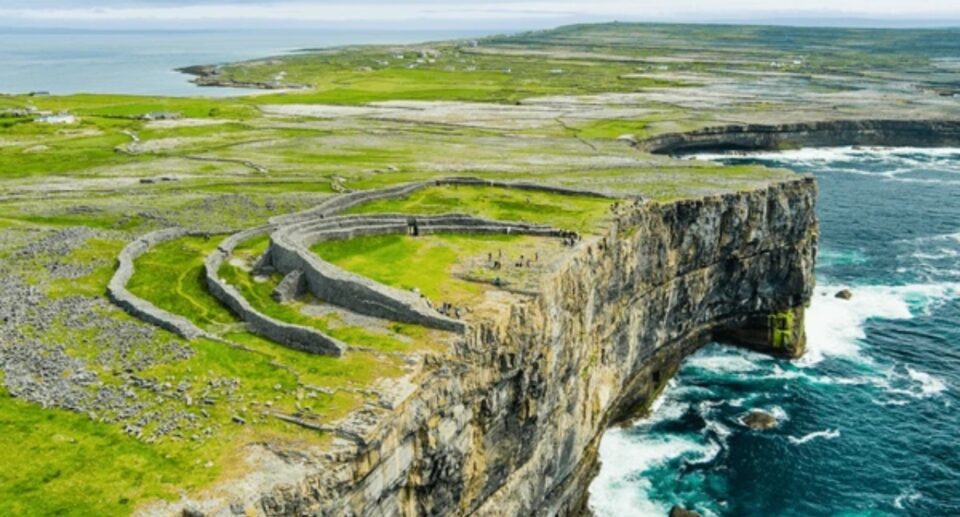
Off Ireland’s west coast, where the Atlantic meets limestone shores, the Aran Islands preserve one of the most resilient cultures in Europe. These islands—Inis Mór, Inis Meáin, and Inis Oírr—offer more than dramatic scenery. They sustain a way of life shaped by language, memory, and community.
As a cultural historian, I find the Aran Islands remarkable not because they resist change, but because they absorb it without losing their core identity.
Where Are the Aran Islands and Why Do They Matter?
The Aran Islands lie at the mouth of Galway Bay. For centuries, isolation protected their traditions. Geography forced self-reliance. Community became survival.
The islands also became symbols of “authentic” Irish culture during the Gaelic Revival. Scholars, writers, and artists travelled here to understand Ireland’s older rhythms of life.
For broader Irish cultural themes, explore the CeltGuide blog.
Language and Storytelling on the Aran Islands
Irish Gaelic remains the everyday language of the Aran Islands. Conversations, jokes, and songs still flow naturally in Irish. Language here is lived, not preserved behind glass.
Storytelling thrives in homes and local gatherings. Islanders pass down history through memory rather than books. This deep narrative instinct reflects wider Irish traditions explored in Why Are Irish People Natural Storytellers?.
Stone Walls and Survival
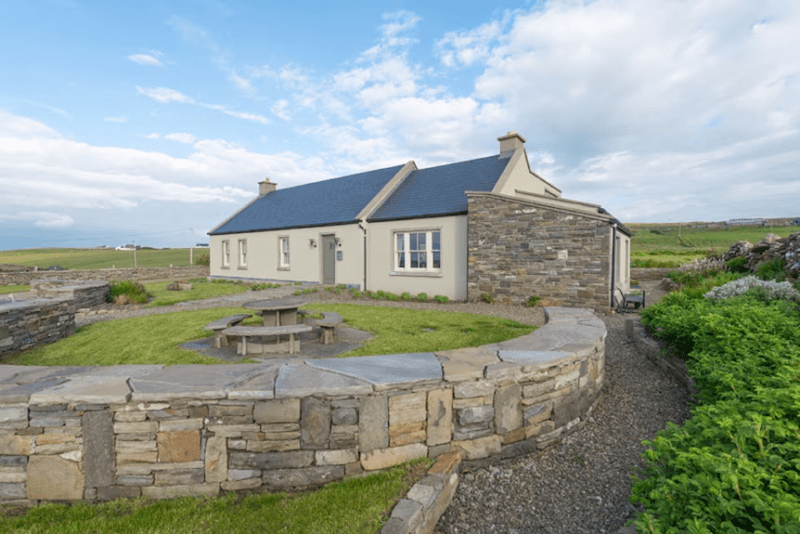
The iconic dry-stone walls of the Aran Islands tell a story of patience and endurance. Islanders built soil by hand, mixing sand and seaweed to create arable land over bare rock.
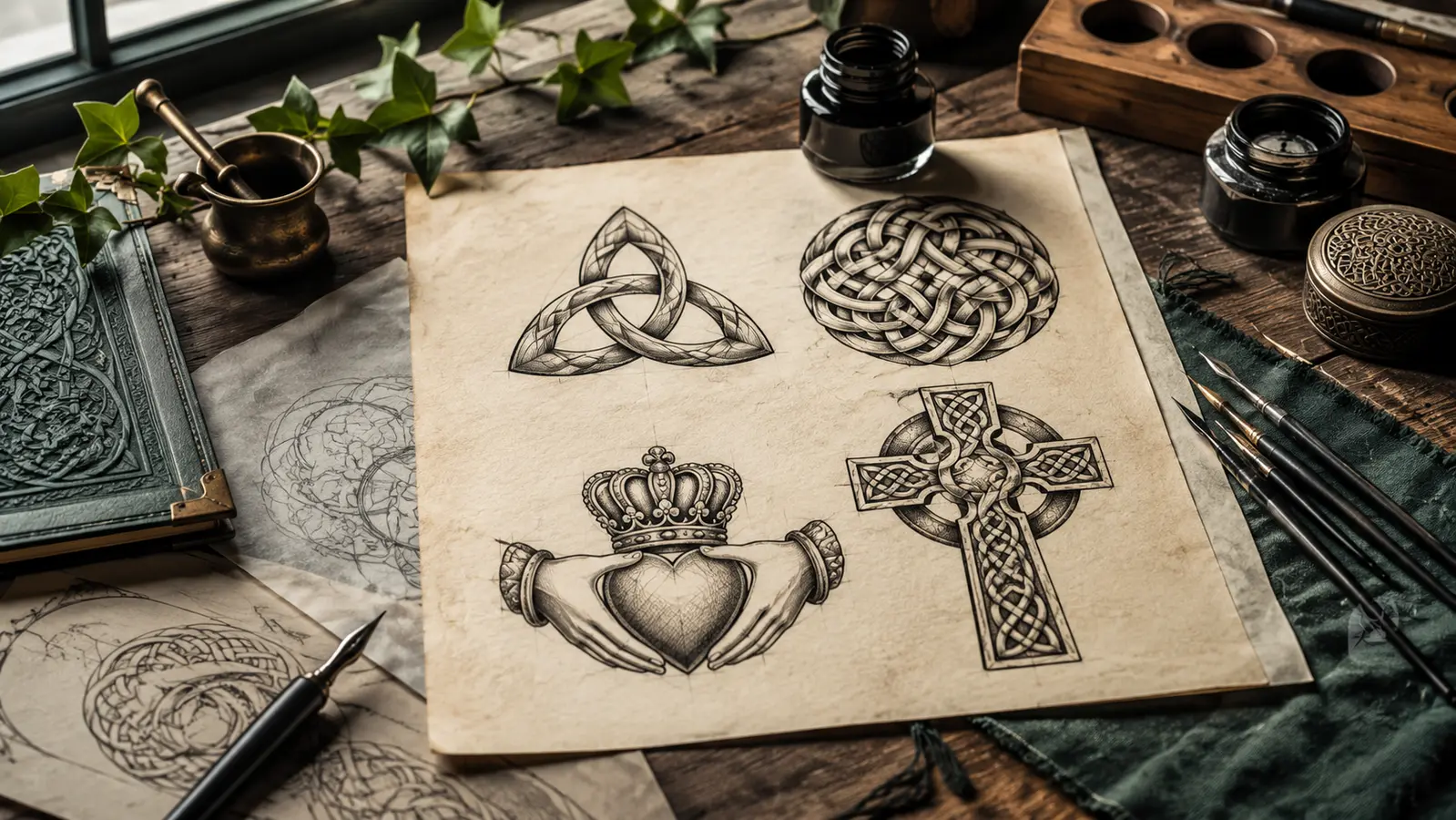
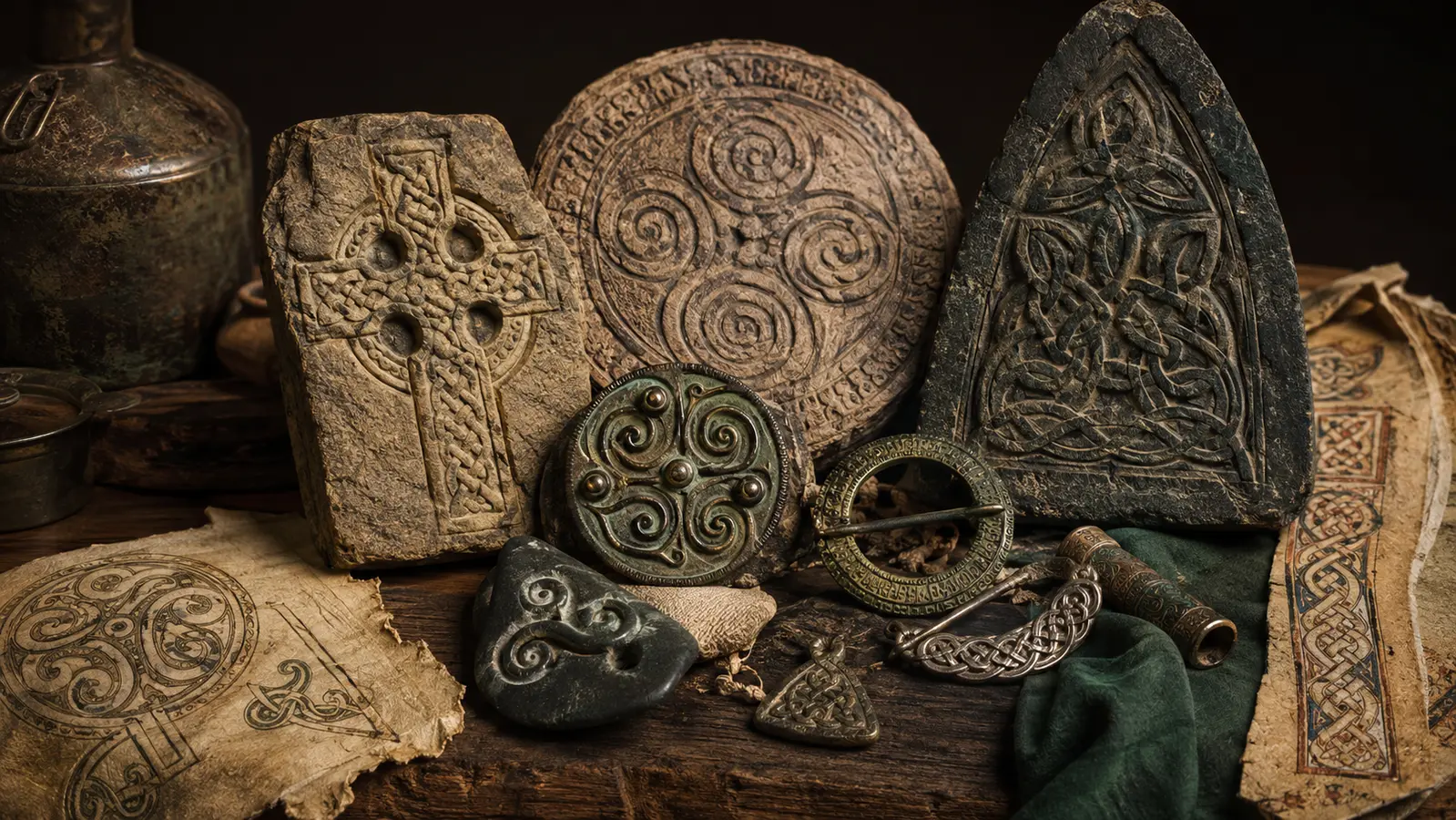
This intimate relationship with stone connects the islands to ancient Celtic practices, similar to those discussed in Celtic Stone Carvings.
Every wall marks human effort against an unforgiving landscape.
Faith, Ritual, and Sacred Space
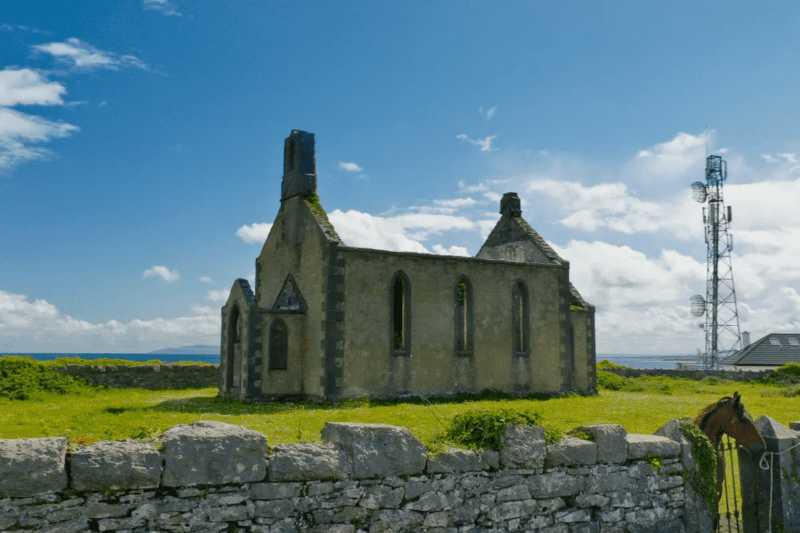
Religion shapes daily life on the islands. Small churches, holy wells, and seasonal rituals reflect a blend of Christian devotion and older spiritual awareness.
Sacred places anchor community memory, much like Ireland’s ancient ceremonial sites such as the Hill of Tara.
Music, Dance, and Community Gatherings
Music lives at the heart of Aran social life. Fiddles, songs, and informal dances appear at weddings, wakes, and festivals. Performance here values participation over polish.
Traditional rhythms echo broader Irish musical heritage, including the instruments discussed in Fiddle Music and communal dance traditions similar to those explored in Ceili Bands.
Music strengthens bonds. It turns isolation into connection.
Clothing and Identity: The Aran Sweater
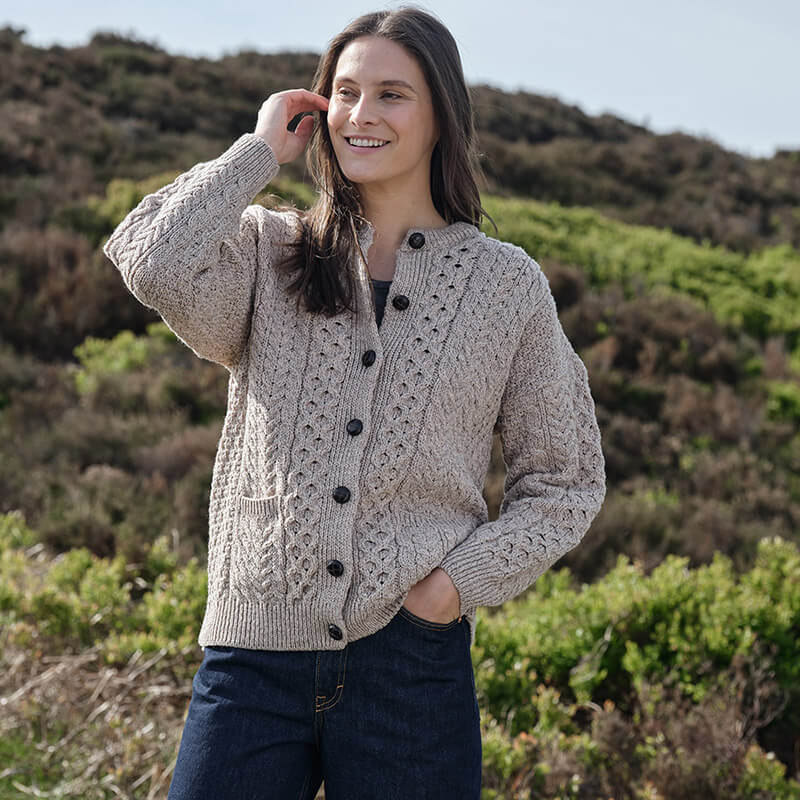
The famous Aran sweater emerged from necessity. Thick wool protected fishermen from wind and sea spray. Over time, stitch patterns gained symbolic meaning, often linked to family and livelihood.
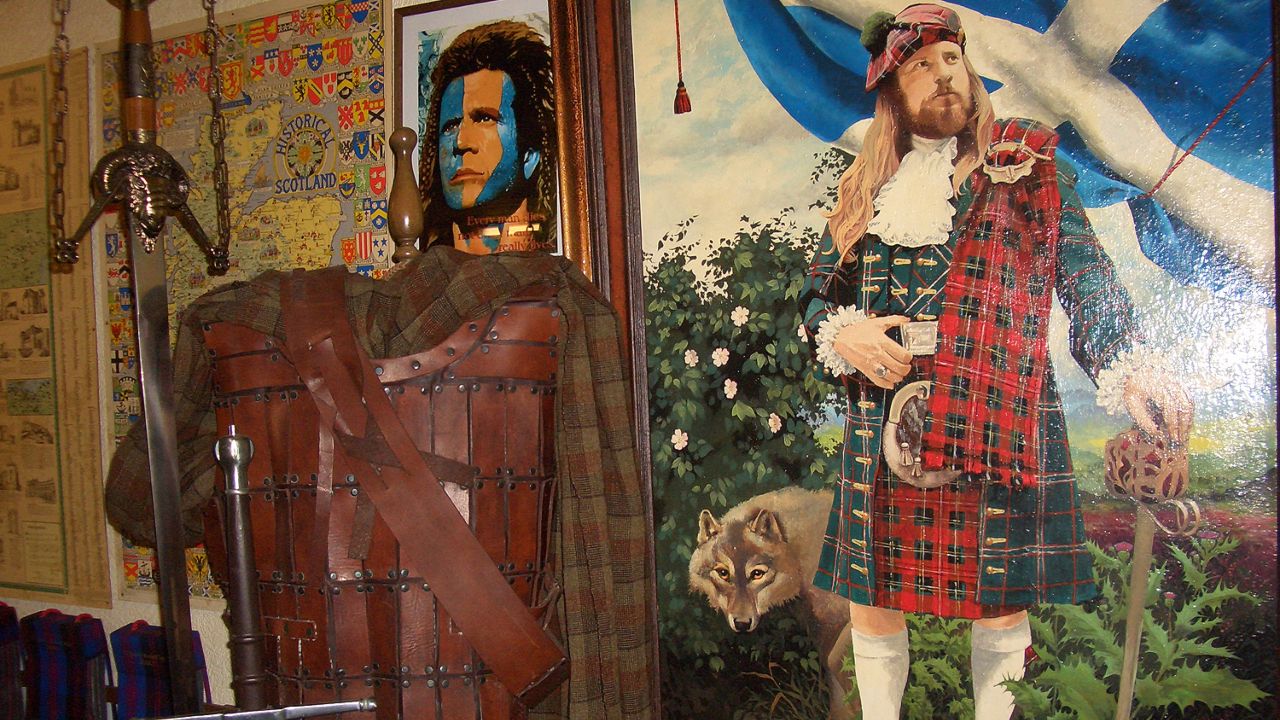
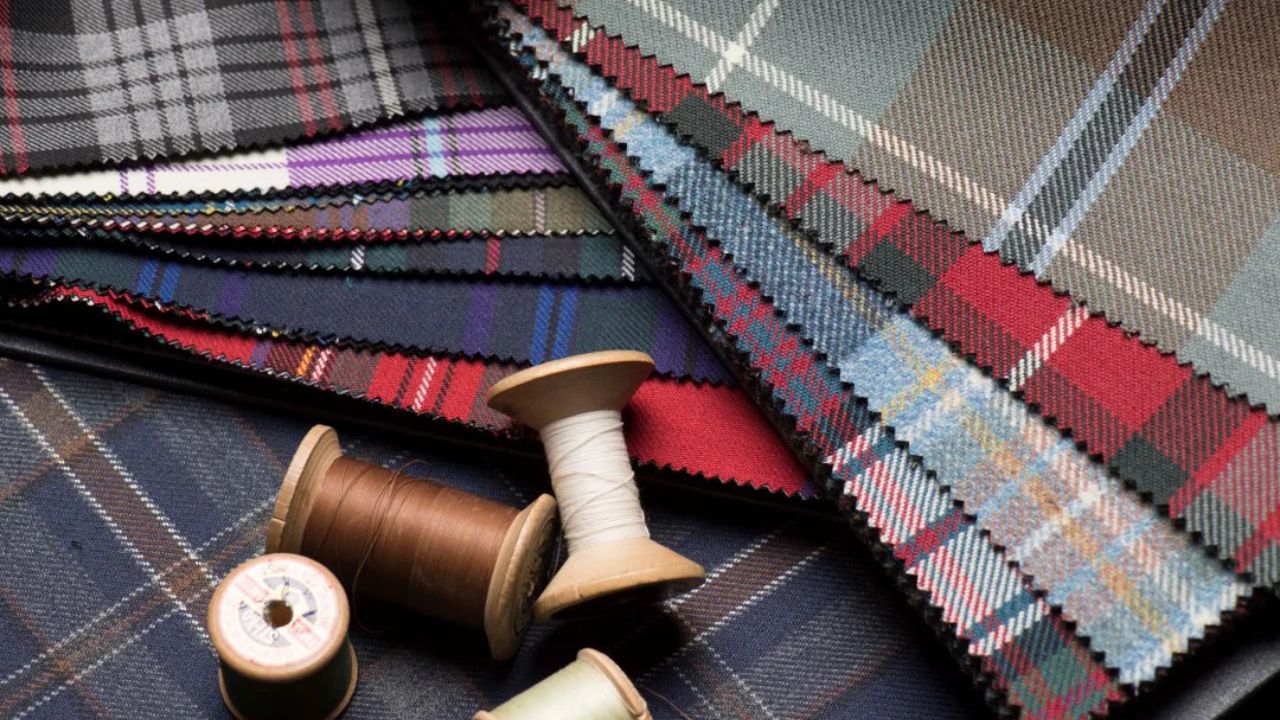
This functional symbolism mirrors how clothing expresses identity across Celtic cultures, much like tartan traditions explained in What Is Tartan?.
Modern Life on the Aran Islands
Today, islanders balance tradition with modern realities. Tourism supports the economy, yet residents actively protect language and customs. Schools teach through Irish. Community events reinforce continuity.
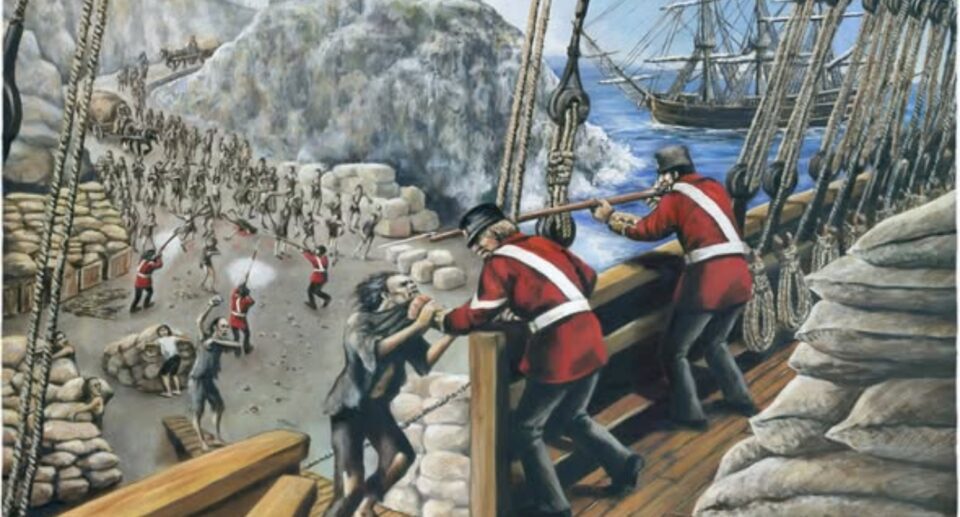
This careful balance reflects wider Irish experiences of change and survival, shaped by history and hardship, as explored in The Influence of the Irish Potato Famine.
Why Aran Islands Culture Still Matters
The culture of the Aran Islands reminds us that identity grows from daily practice. Language spoken at home. Music shared with neighbours. Work done together against the elements.
In a fast-moving world, the Aran Islands show how tradition can remain alive without becoming static.