
Scottish Tartan Stoles: Wrapping Heritage in Every Thread

There’s something deeply comforting about a Scottish tartan stole. It’s more than a stylish accessory, it’s a piece of history you can wear. Every fold tells a story of clan identity, craftsmanship, and the enduring charm of Scotland’s Highlands. Whether draped over evening attire or worn casually on a chilly day, the tartan stole blends tradition with timeless fashion.
What Is a Scottish Tartan Stole?
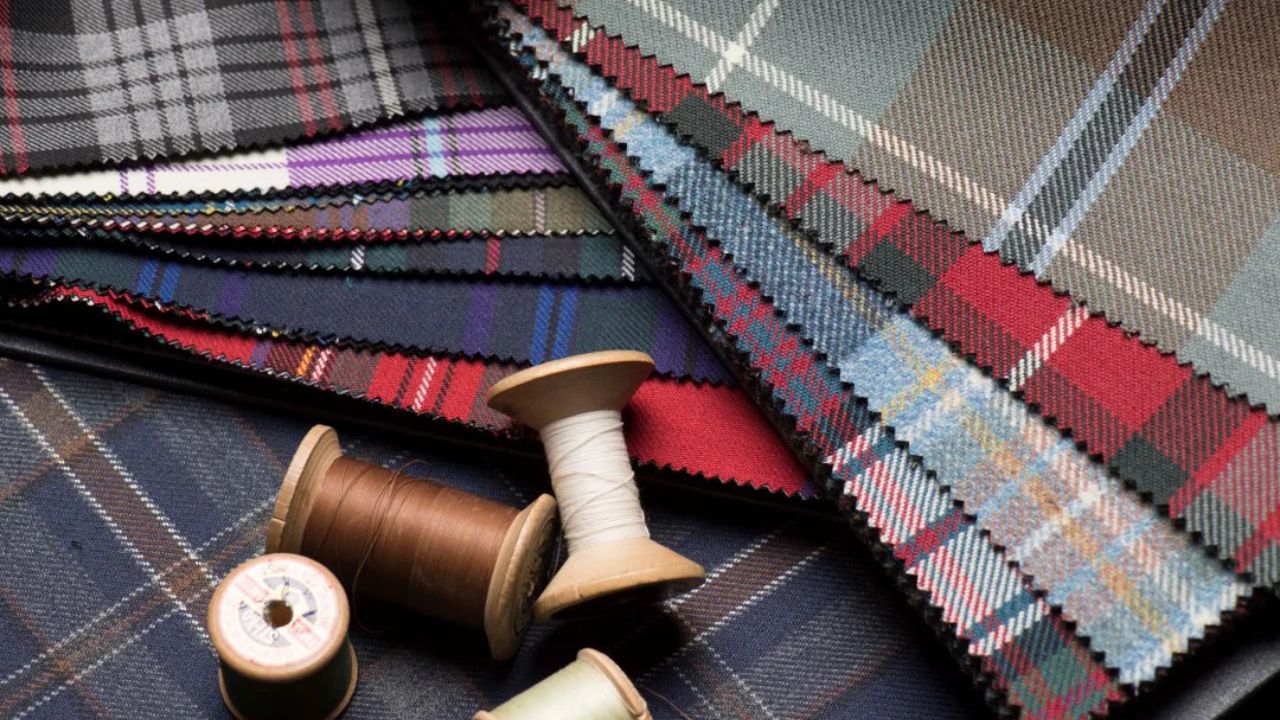
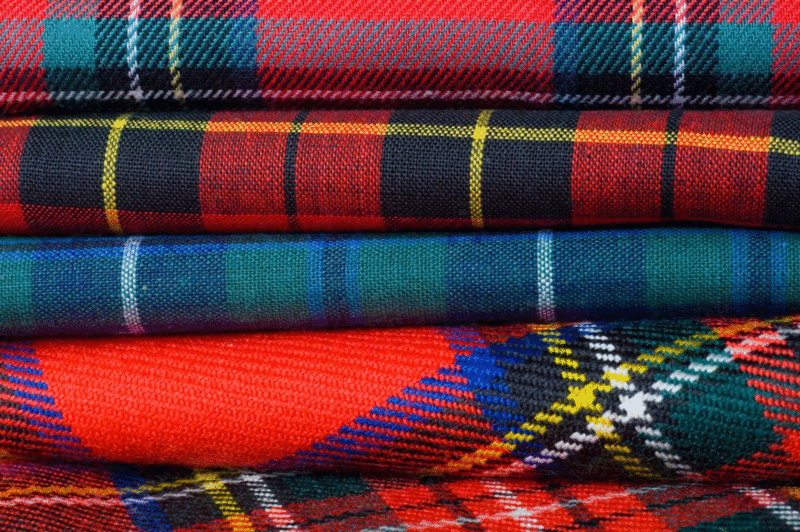
A tartan stole is a long, rectangular piece of finely woven fabric, traditionally made of wool or cashmere. While lighter than a shawl, it carries the same cultural weight and elegance. Each stole bears a unique tartan pattern, an intricate grid of colors that once identified Scottish clans and families.
If you’ve ever wondered what gives tartan its meaning and history, you’ll enjoy our deep dive into What Is Tartan?.
The Origins of the Tartan Stole
The stole’s origins trace back to the Highland garments of medieval Scotland. In earlier centuries, both men and women wore large wraps known as plaids, often made from handwoven wool dyed with natural plant pigments. Over time, these evolved into lighter, refined stoles that retained tartan’s cultural symbolism but adapted to modern needs.
The pattern itself, the tartan, has been around for centuries, its story beautifully explored in our feature, How Long Has the Tartan Prints Been Around?.
Symbolism Woven in Color
Each tartan tells a personal or clan-based story. The arrangement of stripes and colors, known as a sett, represents heritage, loyalty, and connection to Scotland’s ancestral roots.
Wearing a tartan stole isn’t just about fashion; it’s a gesture of pride and belonging. Many Scots and those of Scottish descent wear stoles in their family tartan to weddings, graduations, and formal gatherings, connecting them to their lineage.
If you’re curious about the clans that gave rise to these patterns, explore our guide on How Many Scottish Clans Exist.
Tartan Stoles in Modern Fashion
The appeal of tartan stoles extends far beyond Scotland’s borders. Modern designers have embraced tartan as a symbol of individuality, pairing it with both contemporary and traditional outfits.
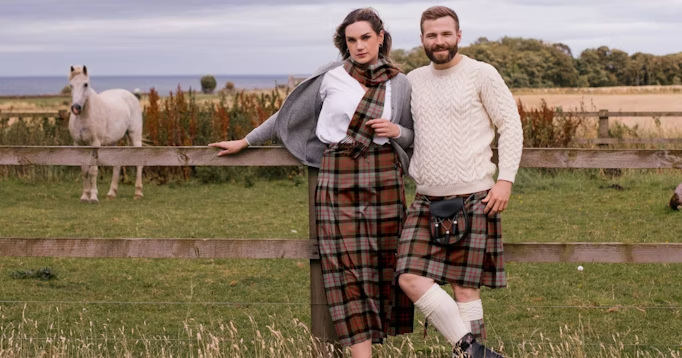
Draped elegantly over the shoulders or tied loosely around the neck, the stole adds instant charm to any look. It can elevate a plain dress, complement a business outfit, or add warmth to a winter ensemble.
Just as the Scottish Tartan Shawls represent grace and sophistication, tartan stoles carry that same timeless touch. Only with a more lightweight, versatile feel.
When and How to Wear a Tartan Stole
A Scottish tartan stole fits effortlessly into both casual and formal settings:
- Formal Events: Drape a silk or fine wool stole over evening wear for weddings or Highland gatherings.
- Casual Outings: Pair a soft wool stole with jeans and a jumper for a relaxed, cozy look.
- Cultural Celebrations: Choose your clan tartan to display heritage during Burns Night or St. Andrew’s Day festivities.
For guidance on wearing traditional accessories like sashes, visit our post on How to Wear a Tartan Sash.
Craftsmanship and Sustainability
Authentic Scottish tartan stoles are woven with care and precision, often in mills that have operated for generations. Many artisans use natural dyes and sustainable wool, continuing Scotland’s legacy of quality and environmental respect.
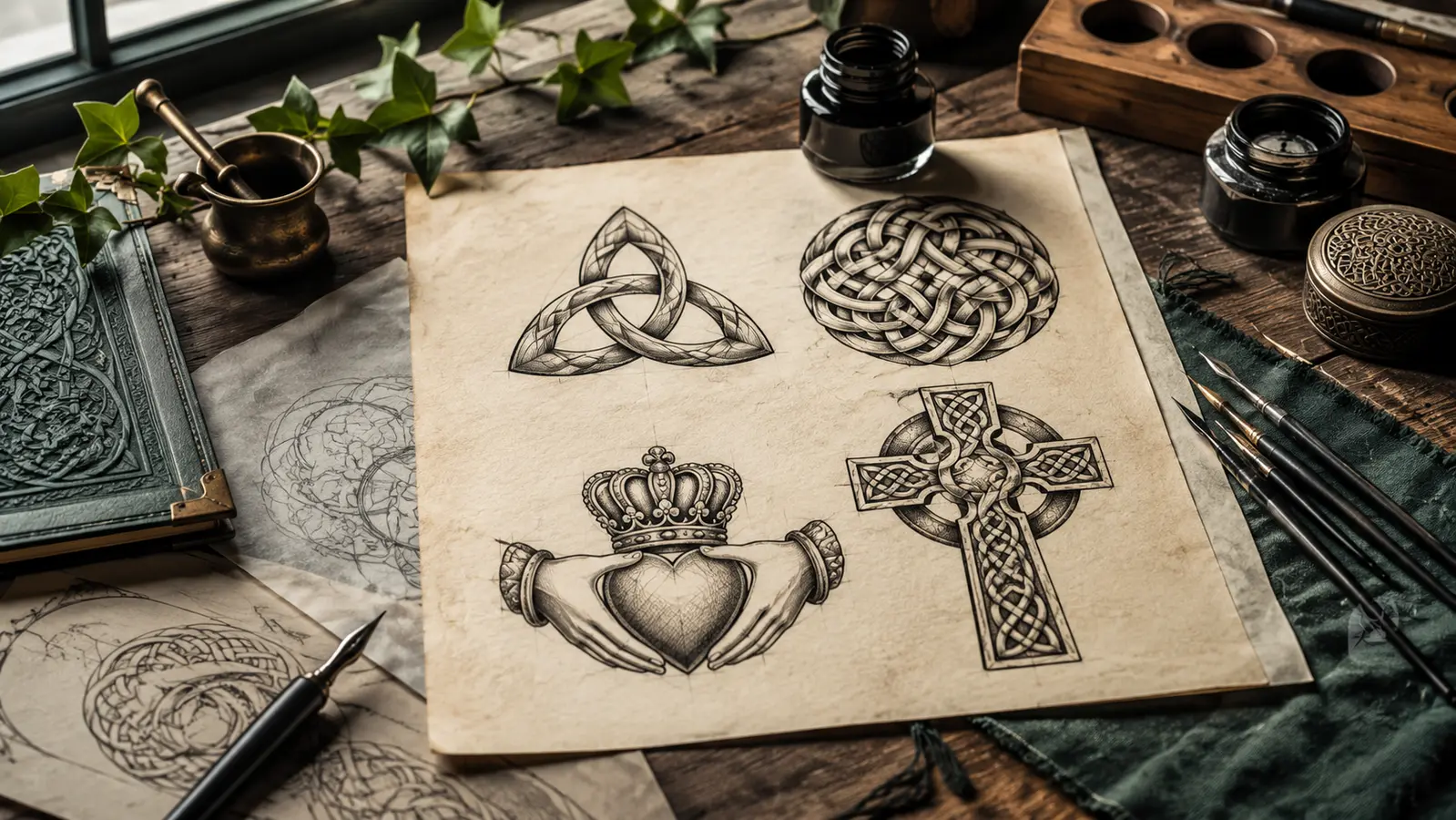
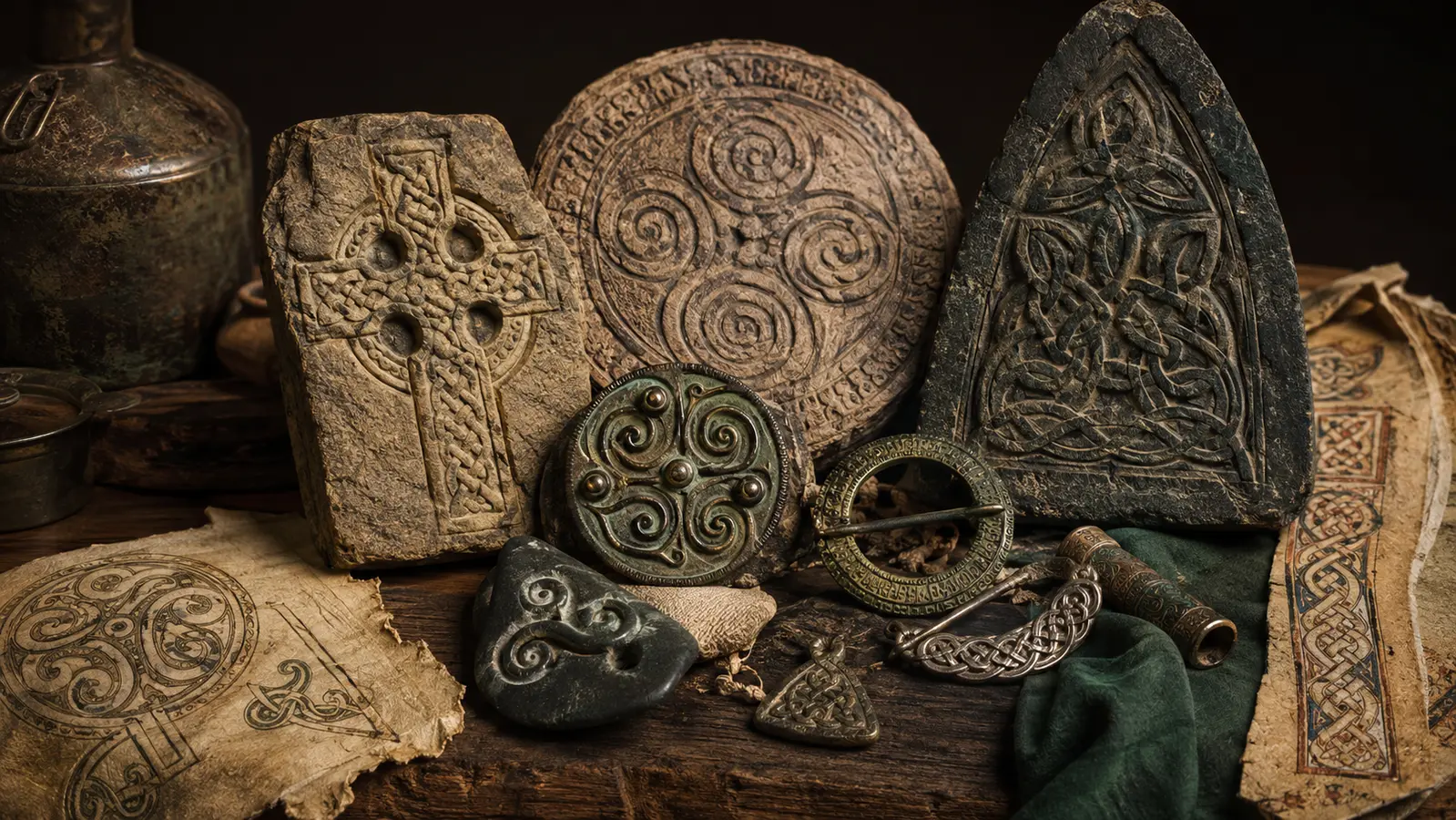
This dedication to craftsmanship echoes the artistry found in Celtic stone carvings—each one telling a story of culture and continuity.
A Gift of Heritage
Few gifts carry meaning like a tartan stole. It’s warm, symbolic, and deeply personal. Whether given to a loved one abroad or worn as a reminder of ancestral ties, it keeps Scotland’s spirit close.
And for those drawn to the myths, landscapes, and stories behind these traditions, explore our Culture & Tradition section or wander through the CeltGuide Blog for more stories that connect fabric, folklore, and identity.
Final Thoughts
The Scottish tartan stole captures more than color and pattern—it captures belonging. It weaves the essence of Scotland’s past into the rhythm of today’s world. Whether worn for warmth, heritage, or elegance, it reminds us that style is never separate from story.
And in Scotland, every thread tells one.