Scottish Doublet Jackets: Tradition Meets Timeless Style
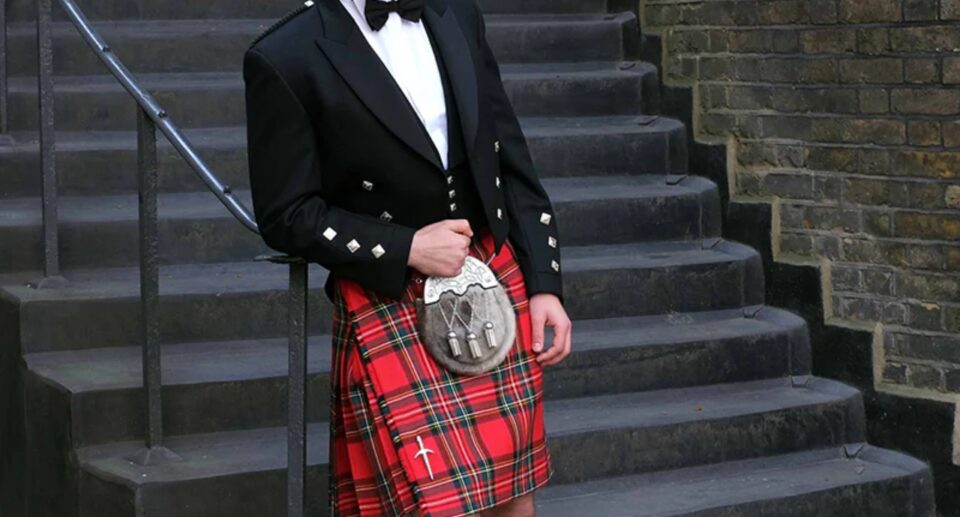
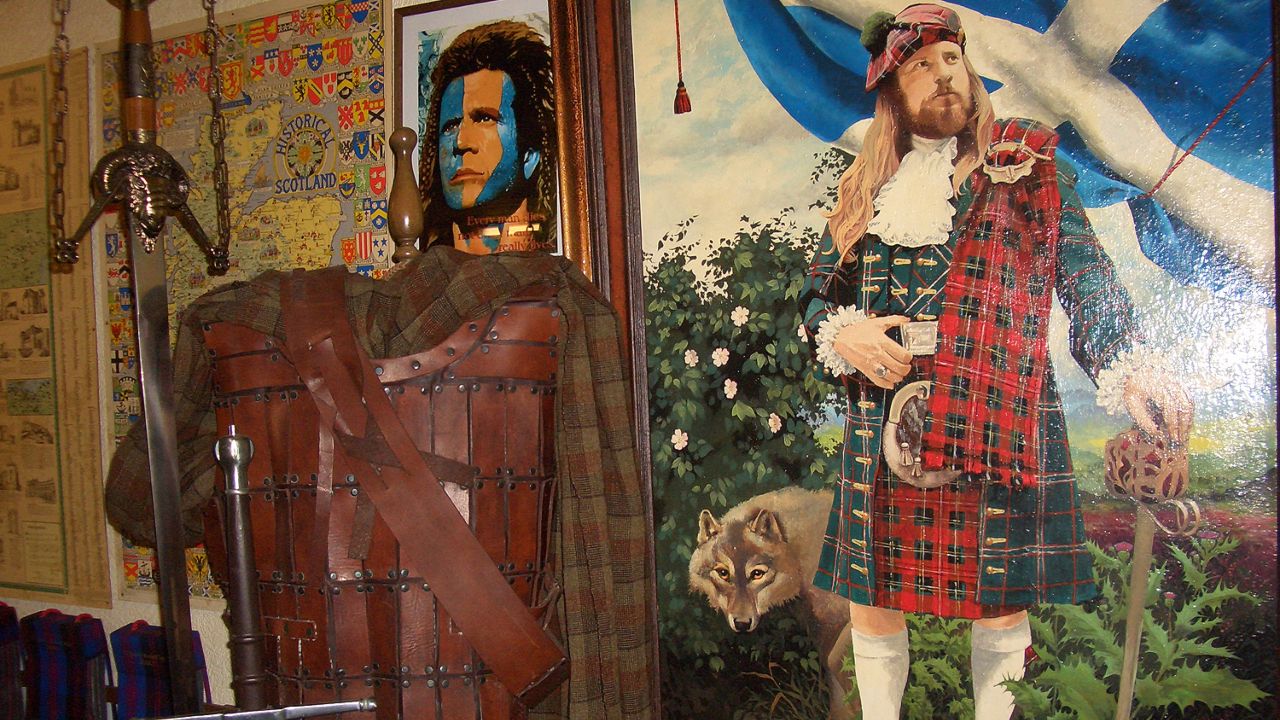
When it comes to Scottish fashion, few garments embody elegance and heritage quite like the Scottish doublet jacket. Worn for centuries as part of Highland dress, the doublet reflects the spirit of Scotland: bold, proud, and beautifully detailed. Whether at Highland games, weddings, or formal ceilidhs, this jacket remains a proud statement of cultural identity and refined taste.
What Is a Scottish Doublet Jacket?
A Scottish doublet jacket is a tailored, waist-length coat traditionally worn with a kilt. Its roots trace back to the 16th century, when Scottish Highlanders adopted it for both everyday wear and ceremonial occasions. Over time, it evolved into several styles, each suited for different levels of formality.
The doublet typically features short tails, ornate buttons, and detailed lapels, often made of high-quality wool or velvet. Today, it remains an essential part of Highland dress, much like the kilt or sporran, combining elegance with ancestral pride.
Popular Styles of the Doublet Jacket
The doublet jacket comes in many iconic styles, each carrying its own story:
- Prince Charlie Doublet: The most formal version, worn with a bow tie and kilt for black-tie occasions.
- Argyll Jacket: A versatile option suitable for semi-formal events, often paired with a straight tie.
- Montrose and Kenmore Doublets: Inspired by military and clan traditions, featuring high collars and decorative braiding.
- Regulation Doublet: Combining elements of formal and military dress, offering a regal look for ceremonial occasions.
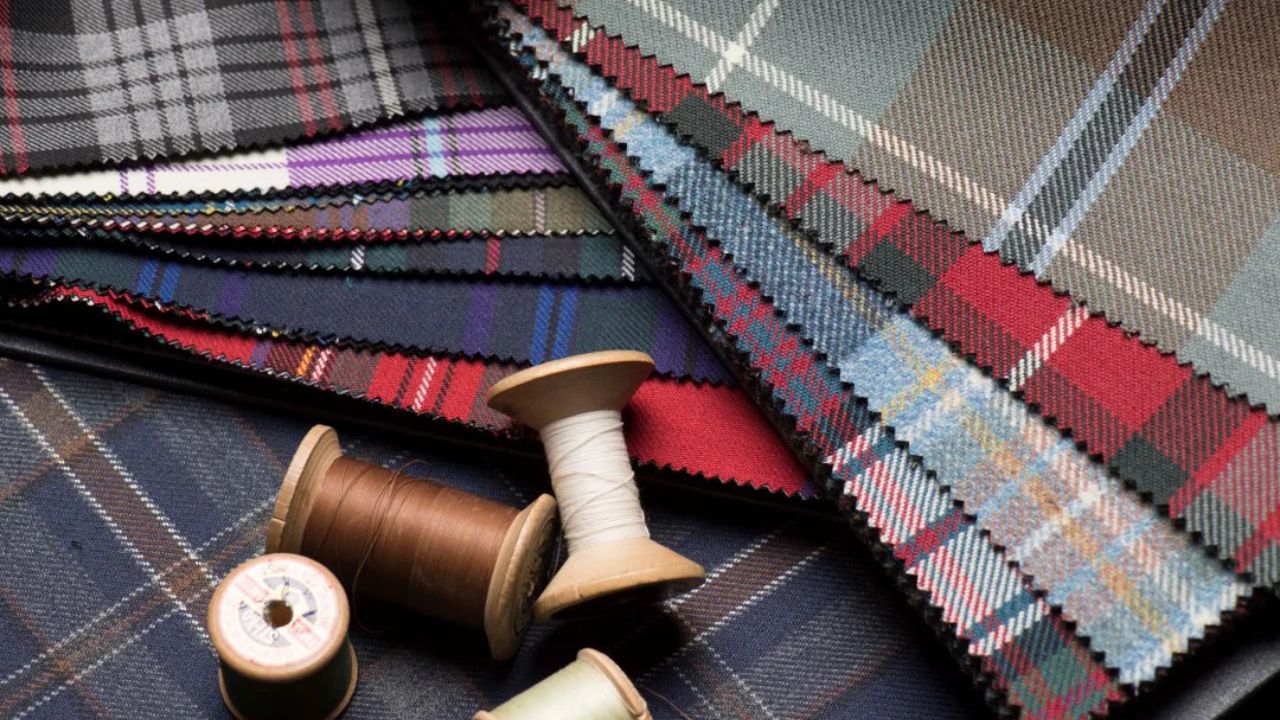
Each of these variations mirrors Scotland’s deep connection to its clan system and craftsmanship, similar to the pride seen in tartan designs.
Materials and Craftsmanship
The beauty of a doublet lies in its attention to detail. Tailors often use premium wool, velvet, or tweed, depending on the style. Silver or pewter buttons engraved with Celtic knots or thistles add a touch of artistry. The structure is designed to complement the form of the wearer, ensuring both comfort and presence.
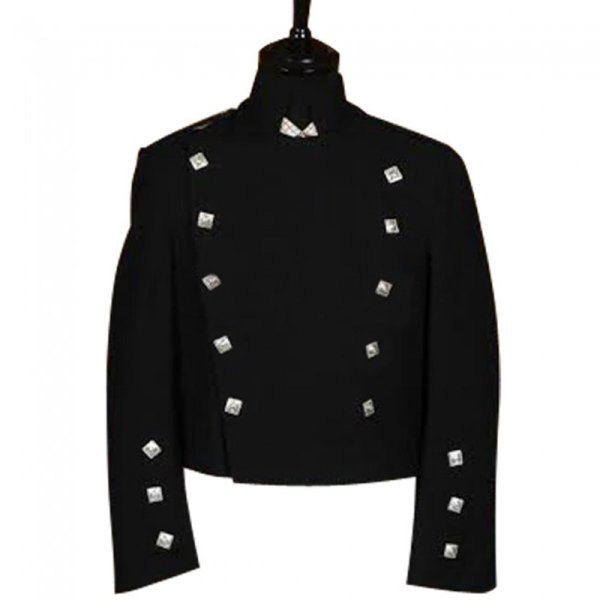
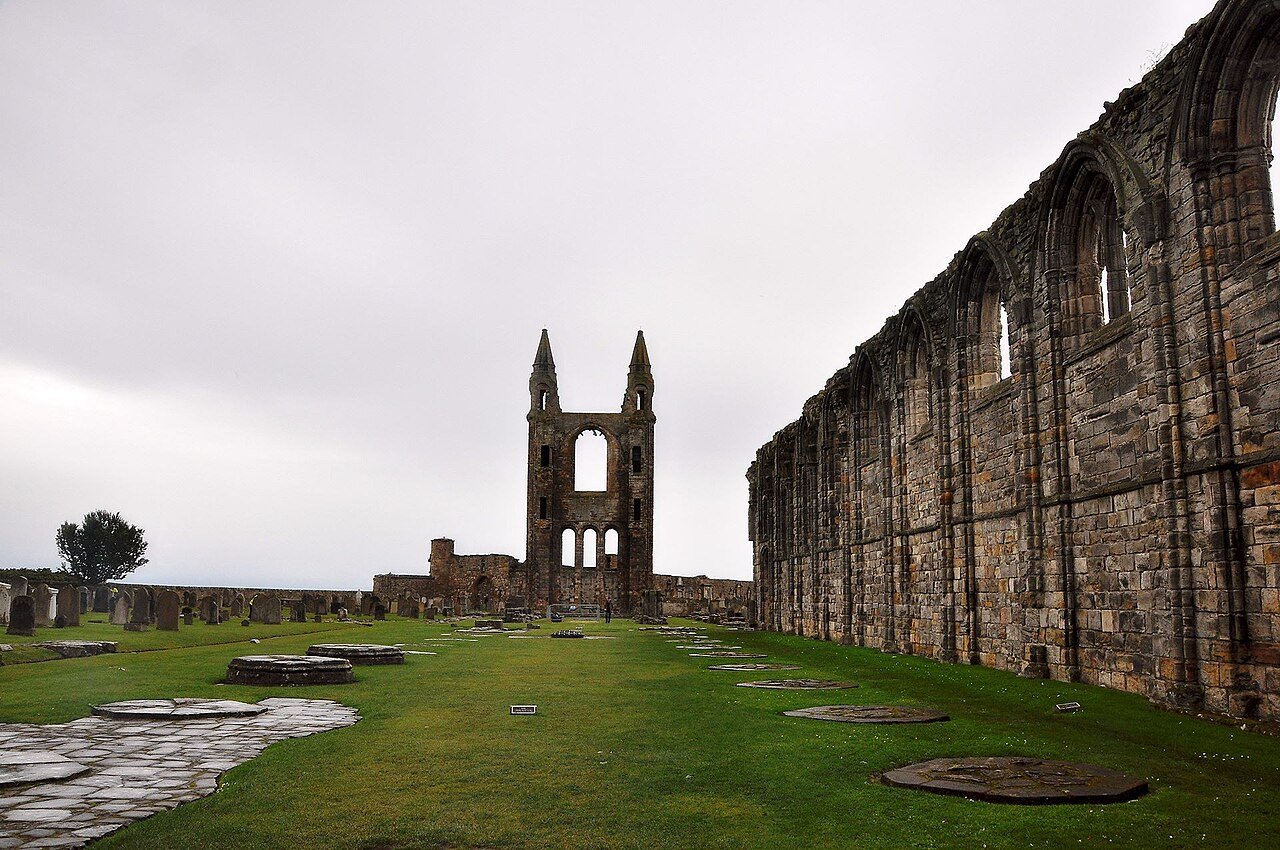
Much like the Celtic stone carvings that capture Scotland’s artistic soul, every stitch in a doublet jacket carries meaning and care.
When to Wear a Doublet Jacket
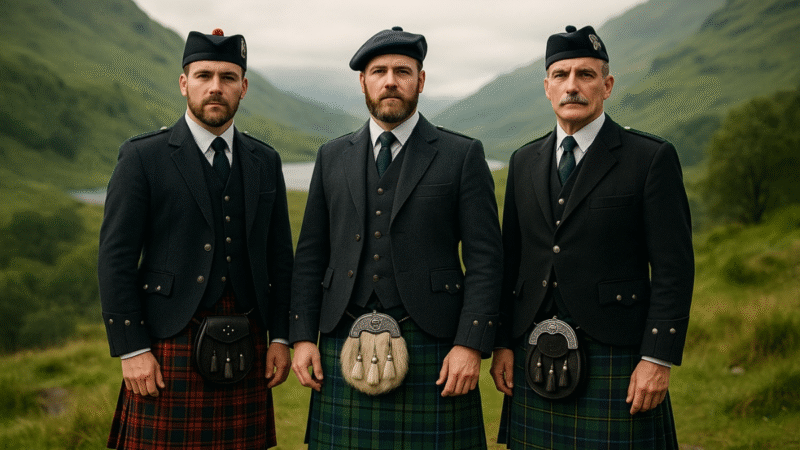
Doublet jackets are most often seen at formal Scottish occasions—weddings, clan gatherings, and Highland dances. The Prince Charlie or Montrose doublets, paired with a kilt and tartan sash, create a refined and traditional look.
For outdoor ceremonies or relaxed celebrations, the Argyll jacket offers a blend of comfort and style. Understanding when and how to wear your doublet connects you to a living tradition—one that has been passed down for generations.
If you’re unsure about kilt measurements or pairing, check out our guide on how to measure for a kilt to perfect your Highland ensemble.
The Doublet in Modern Scottish Fashion
In today’s Scotland, the doublet has found new life beyond the Highlands. Designers are incorporating modern fabrics, slim fits, and subtle detailing, allowing wearers to honor tradition while embracing contemporary fashion.
The result is a look that blends heritage with individuality, a statement that feels as much at home in Edinburgh’s historic halls as it does on a modern runway.
For more insights into how Scottish style continues to evolve, visit our Fashion & Style section.
Preserving a Cultural Legacy
Wearing a doublet is more than a style choice—it’s a tribute to Scottish resilience, artistry, and identity. It reminds us of the same cultural pride that lives on in Highland music, Gaelic poetry, and tales of clan heroism.
From the timeless tam o’shanter hat to the elegance of the tartan shawl, each piece of Scottish attire tells part of a story. The doublet jacket stands among them as a proud symbol of that enduring spirit.
Final Thoughts
The Scottish doublet jacket represents a bridge between past and present. It celebrates heritage, craftsmanship, and the enduring appeal of Highland elegance. Whether you wear it for tradition or style, it always carries the same message—Scotland’s spirit lives on in every thread.
To explore more about Scotland’s timeless traditions, visit our Culture & Tradition section or browse other fascinating reads on the CeltGuide Blog.