The Irish Peat Harvest: Fueling a Nation’s Heart and Hearth

The story of Ireland’s peat harvest is more than a tale of fuel, it’s the pulse of Irish identity. For centuries, boglands have shaped not just the Irish landscape, but the rhythm of rural life itself. Peat, or “turf” as it’s known locally, was the earth’s gift: a source of warmth, endurance, and memory.
Like the Celtic oak tree, which symbolizes endurance, the peatlands represent a slow, natural rhythm that mirrors Irish patience and persistence. To work the bog was to work with time itself—cutting, stacking, and drying a harvest born from thousands of years of nature’s quiet labor.
The Ancient Origins of Peat in Ireland
Ireland’s bogs are ancient, formed after the Ice Age, when retreating glaciers left behind wetlands that slowly built layers of decayed vegetation. Over centuries, these layers compressed into peat, becoming Ireland’s oldest renewable fuel.
By the early medieval period, Irish communities had learned to cut turf for winter fires. Peat not only warmed cottages but also cooked meals and dried clothes, forming the quiet center of domestic life. The familiar scent of a turf fire still evokes a sense of home for many Irish people, even today.

This connection between earth and identity is deeply embedded in Irish storytelling traditions. As discussed in Why Are Irish People Natural Storytellers, such landscapes often inspire tales of endurance and belonging.
The Process: Cutting, Drying, and Stacking
The peat harvest began in late spring when the bogs were firm enough to work. Men used a sleán, a long narrow spade, to slice blocks of turf from the ground. These blocks were then spread out to dry under the summer sun, turning from dark brown to deep black.
Women and children joined in later stages, turning and stacking the turf to ensure even drying. Once dried, the turf was piled into tall stacks near the cottage walls, a symbol of security for the coming winter.

This communal work often carried songs and laughter, much like the ceilí gatherings that united rural communities through music and rhythm.
Peat and the Irish Hearth
The Irish hearth has always been sacred. Turf smoke curled from chimneys like a quiet offering to the land. Around these fires, families told stories, played music, and recited Gaelic proverbs, expressions of the same warmth that peat provided physically.
As mentioned in Gaelic Irish Proverbs, sayings about the hearth reflect a deep respect for home and togetherness: “May the fire on your hearth never go out.”

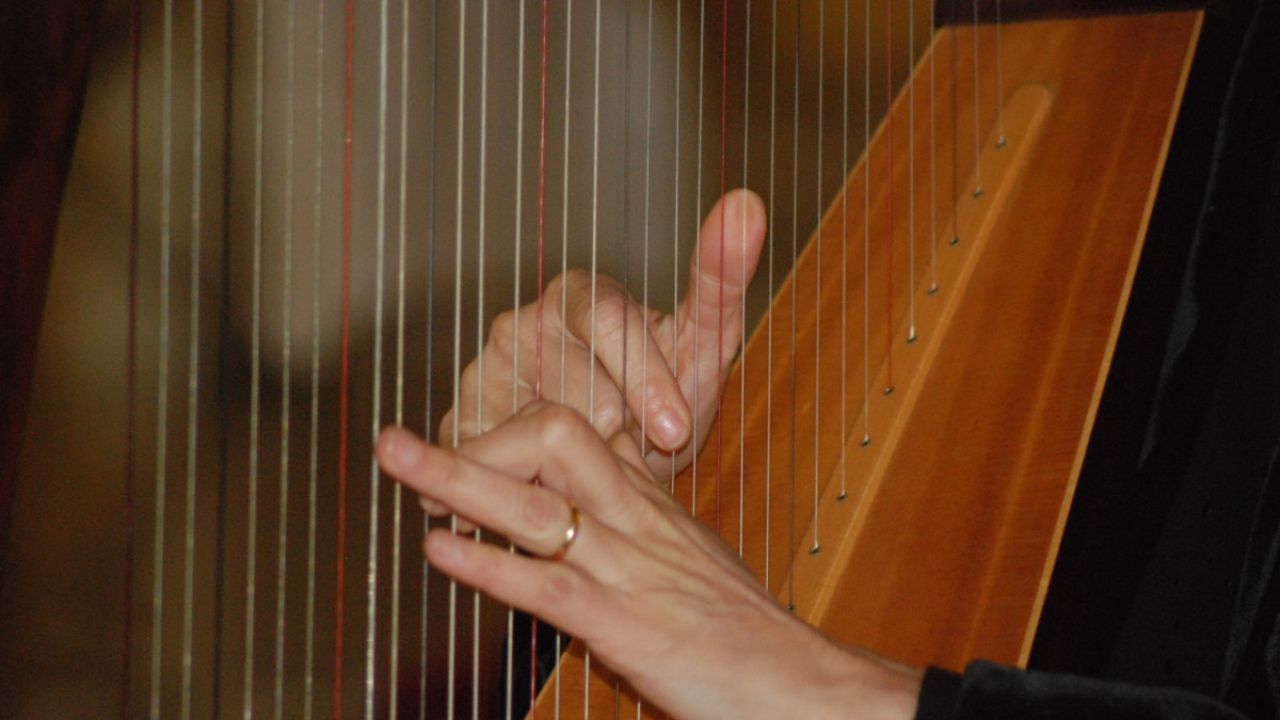
The peat fire became a symbol of comfort, much like the melodies of the Clarsach harp—gentle, enduring, and full of history.
Cultural and Environmental Shifts
In the 20th century, peat remained central to Irish rural life. However, as environmental awareness grew, debates over bog preservation and sustainable energy began. Many boglands are now protected for their biodiversity, serving as habitats for rare plants and birds.
Still, for many Irish families, the smell of turf smoke remains an emotional link to ancestry, a reminder of evenings spent around the fire, stories shared, and the rhythm of a life lived close to the earth.

For a related look at Ireland’s resilience through hardship, see The Influence of the Irish Potato Famine—another story of adaptation and endurance.
Peat in Irish Folklore and Memory
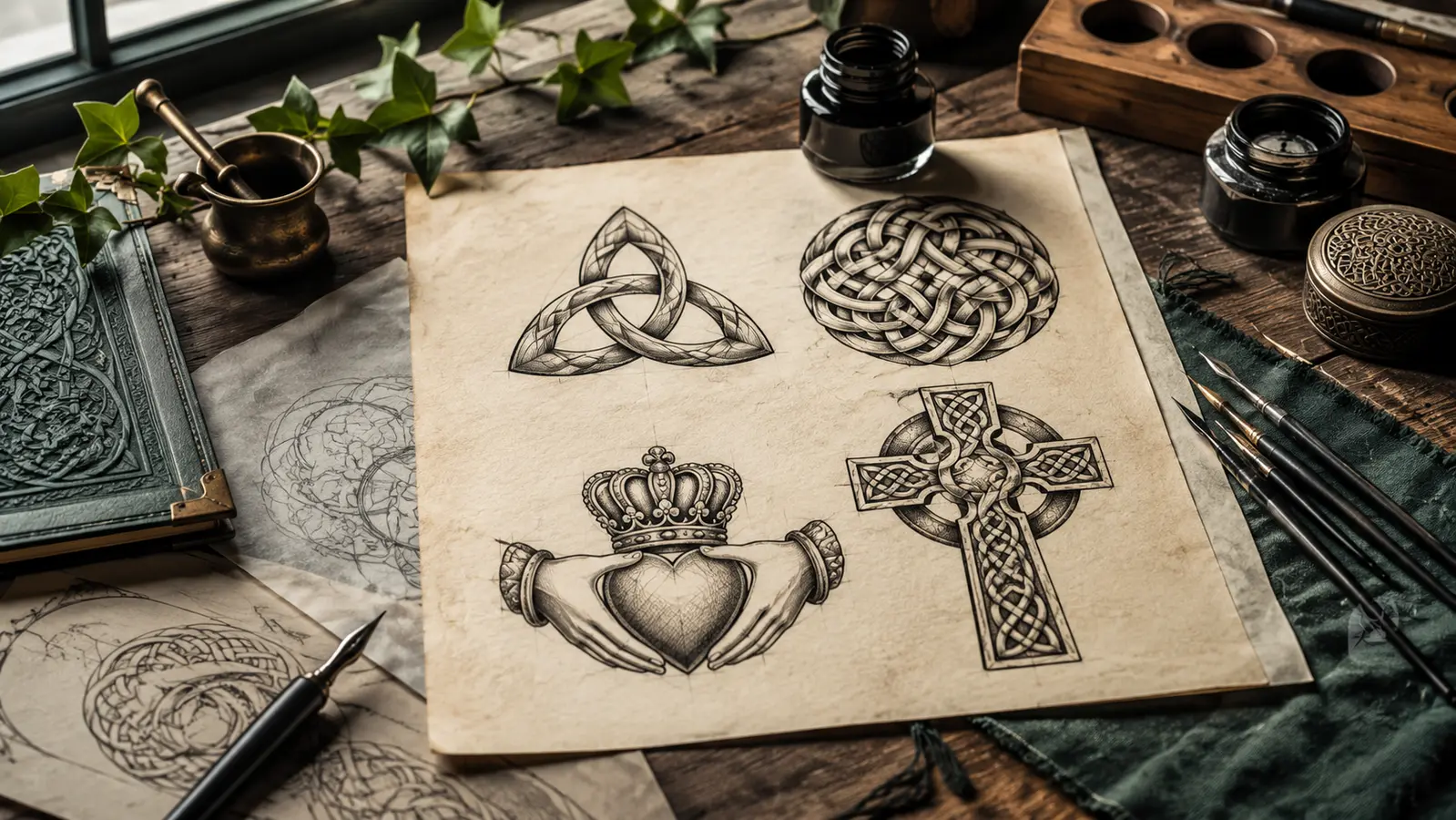
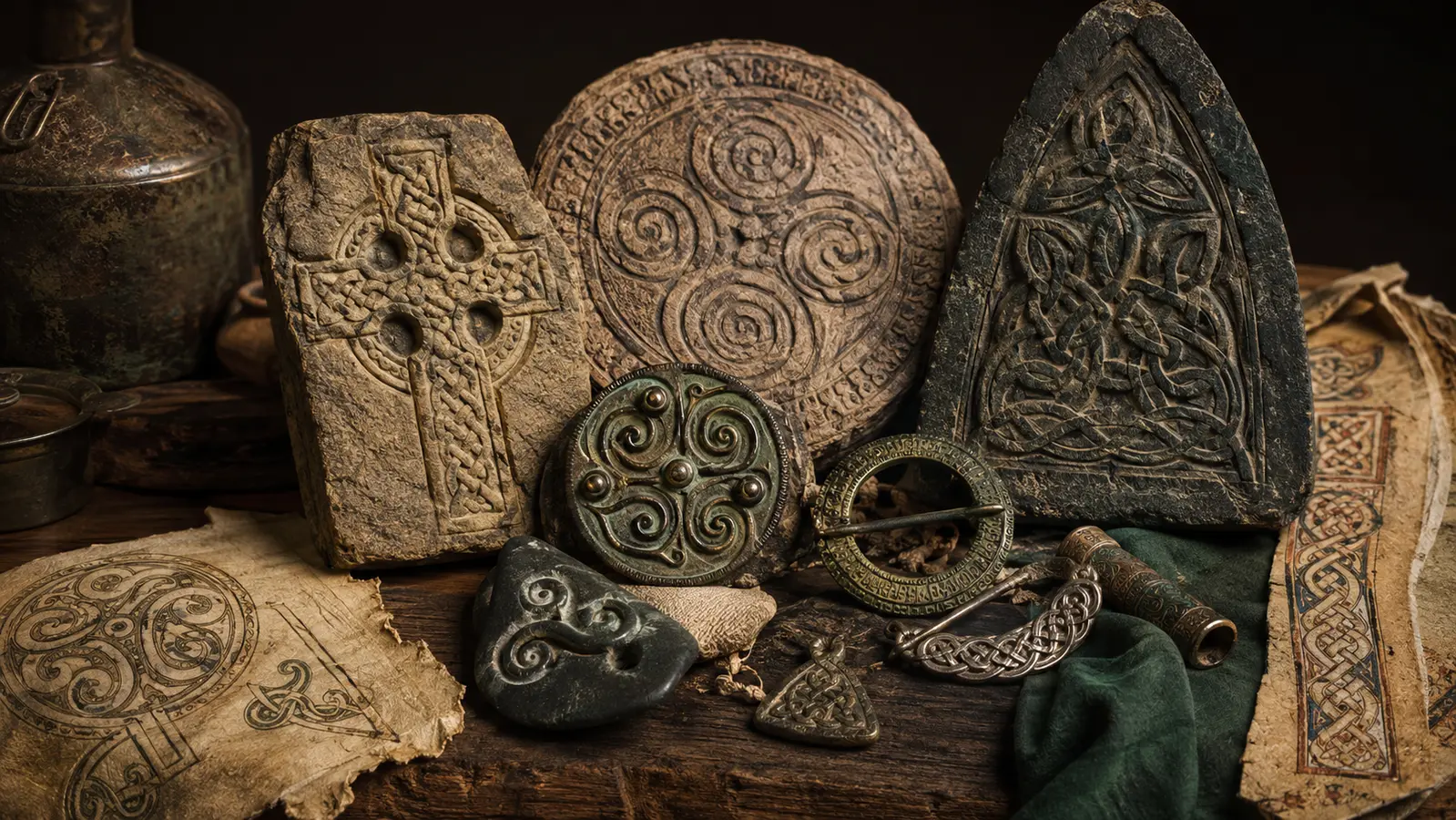
Irish folklore often treats bogs as mystical and sacred. They were places where earth met spirit, and time seemed to stand still. Many ancient artifacts, like the Celtic stone carvings found in bogs. (Explore them here), suggest that these landscapes were more than resources, they were gateways to the divine.
Just as the Hill of Tara represents Ireland’s royal and spiritual past, the bogs hold their own quiet sovereignty, rooted in the soil of memory and myth.
Conclusion: The Peat Harvest’s Enduring Legacy
The Irish peat harvest endures as a symbol of harmony between people and land. Though its practical role has changed, its cultural meaning remains strong. Each cut of turf, each stack by the cottage wall, tells a story of labor, warmth, and belonging.
As Ireland continues to balance tradition with modernity. The peat bogs still whisper their ancient song—of resilience, reverence, and rootedness.
For more stories celebrating Ireland’s living heritage, visit the Culture & Tradition section of CeltGuide.