Scottish National Dress: Tradition, Pride, and Highland Heritage

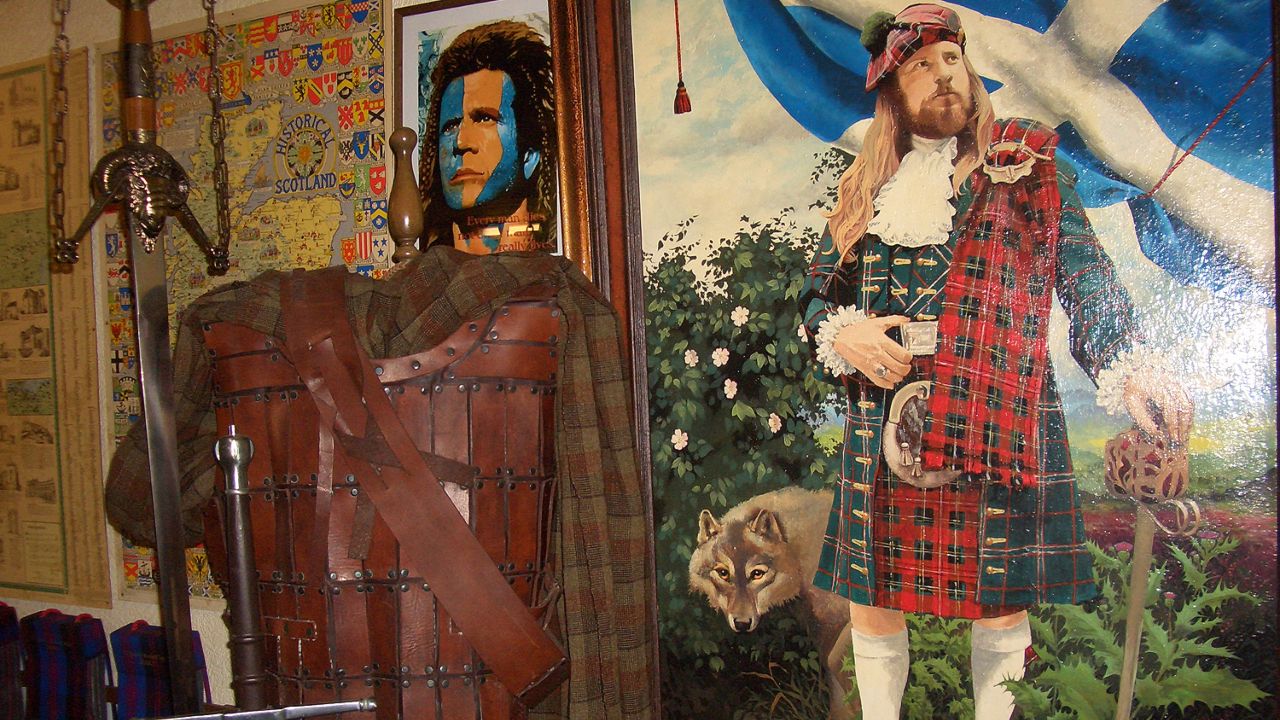
Scottish national dress is more than attire, it is the living expression of a people’s identity. Every kilt pleat, tartan stripe, and silver clasp carries stories of ancestry, land, and loyalty. When a Scot dons traditional dress, he wears history on his shoulders.
The Kilt: Scotland’s Cultural Armour
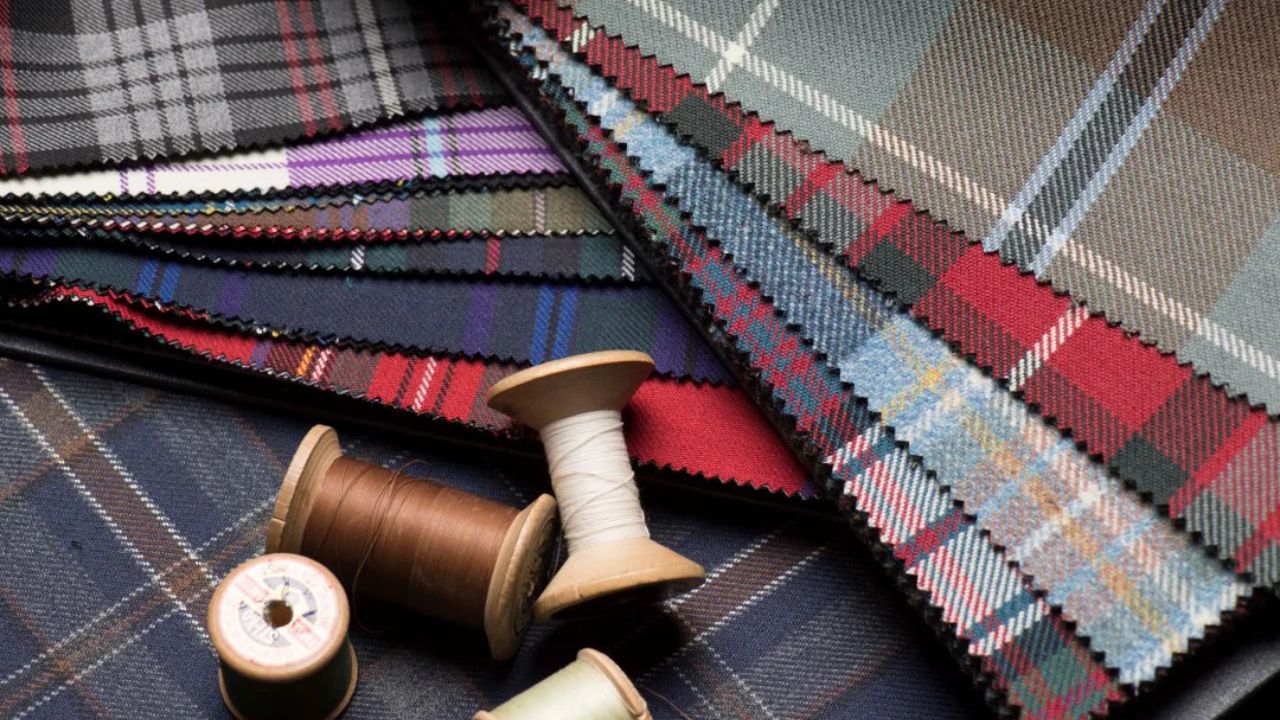
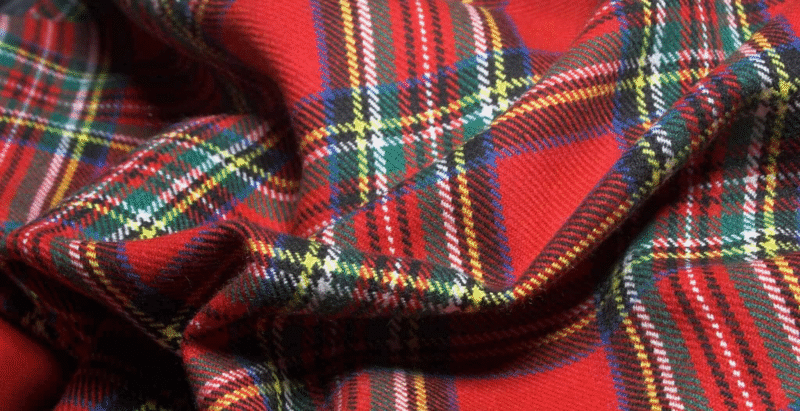
At the heart of Scottish national dress stands the kilt, a garment steeped in history and emotion. The kilt is cut from wool woven into the distinct colors and patterns of a clan tartan—a design that ties the wearer to his lineage.
For a deeper understanding of the origins of these patterns, explore our guide on What Is Tartan?. You’ll discover how threads of color became emblems of pride and protest alike.
Beyond the Kilt: The Complete Highland Dress
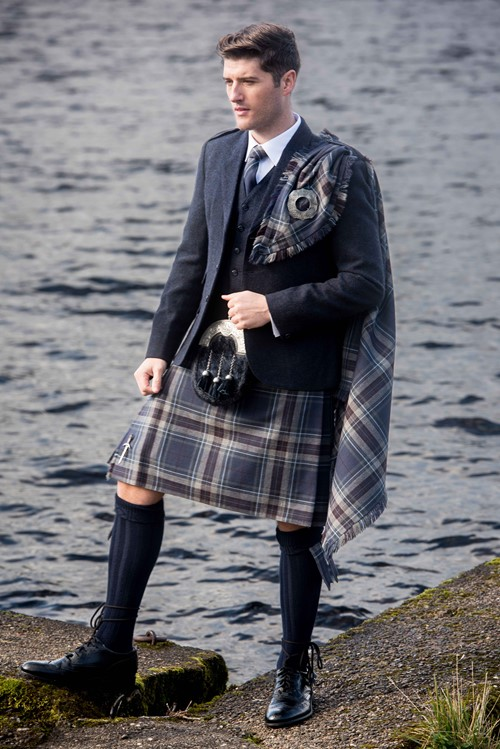
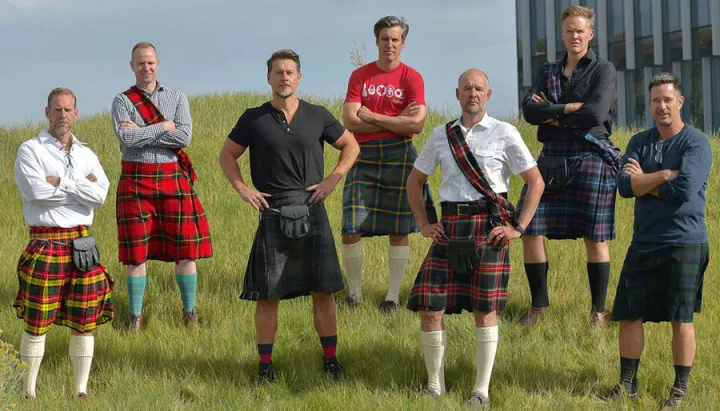
Scottish national dress is a carefully composed ensemble. Each element serves a purpose—some practical, others symbolic.
- Sporran: The small leather or fur pouch that hangs at the front of the kilt. Since kilts have no pockets, the sporran is both functional and decorative. Learn more about traditional accessories like the Dirk Knife that often accompany Highland dress.
- Belt and Buckle: The belt secures the kilt and often displays clan or national emblems.
- Kilt Hose and Flashes: These knee-length socks are folded just below the knee and tied with ribbons known as flashes.
- Ghillie Brogues: Leather shoes tied without tongues to prevent water from pooling during Highland marches.
- Jacket and Plaid: Depending on the occasion, Scots may wear the Prince Charlie jacket for formal events or the Argyll for day wear. The plaid, a length of tartan draped over the shoulder, remains a proud Highland statement.
From Battlefield to Ballroom
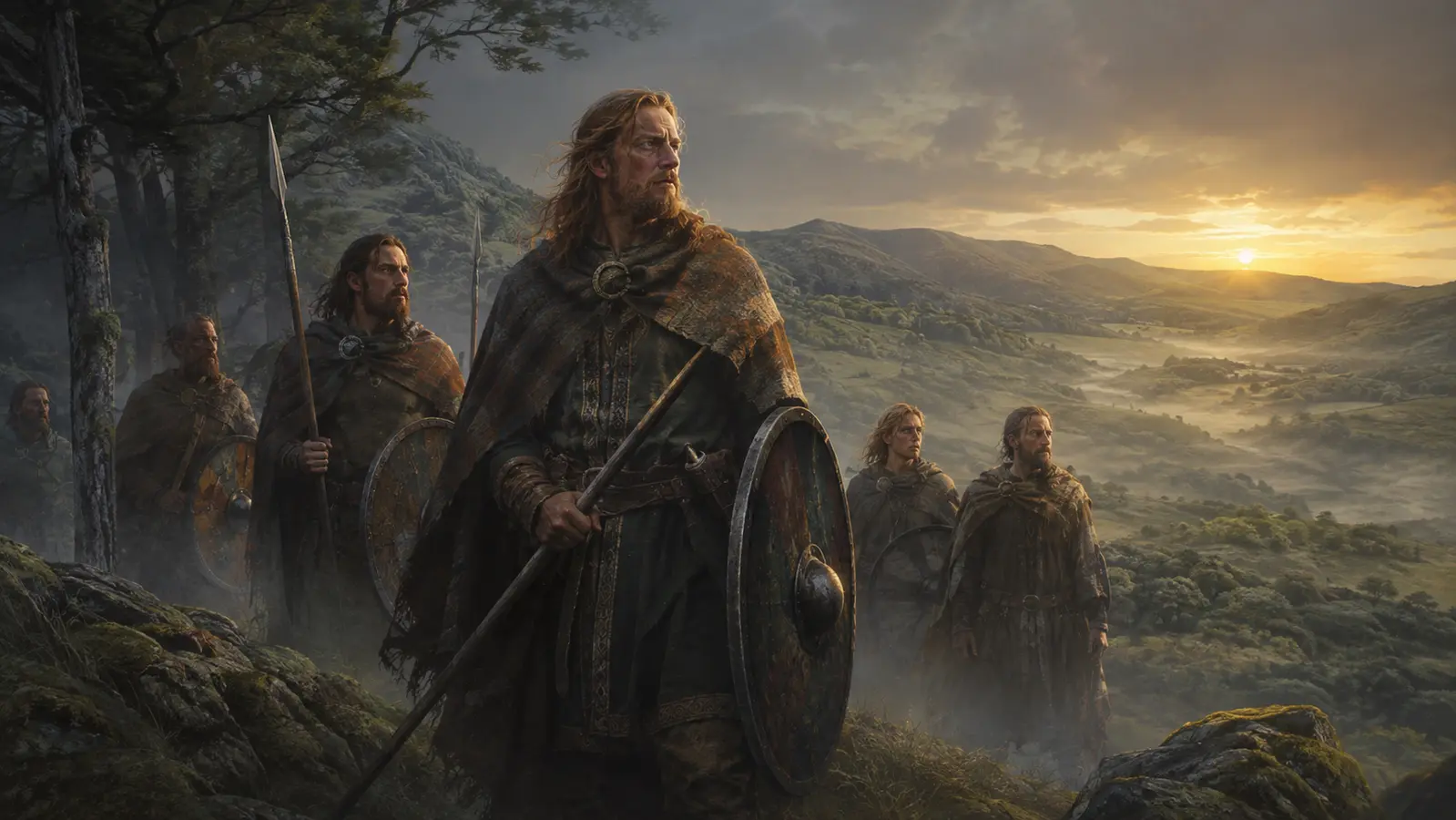
The roots of Highland dress run deep. In earlier centuries, tartan kilts served as camouflage in the misty glens. After the Battle of Culloden (1746), British authorities banned tartan as a means of suppressing Highland identity. But tradition proved stronger than law.
By the 19th century, tartan reemerged, this time as a romantic symbol of Scottish pride. It appeared in royal ceremonies, poetry, and art. Even Queen Victoria embraced Highland fashion during her stays at Balmoral.
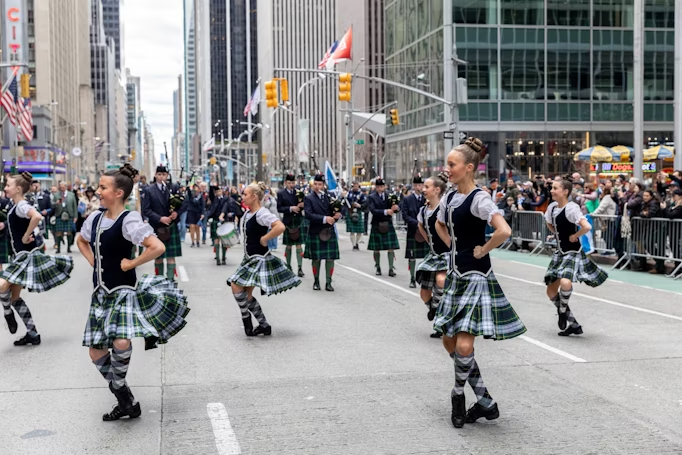
Today, kilts grace weddings, Highland Games, and ceilidhs. Each appearance is a quiet act of remembrance, an echo of ancestral resilience.
If you’re curious how Highland events keep these traditions alive, visit our post on Events to Watch in Highland Games 2025.
Clan Colors and Family Identity
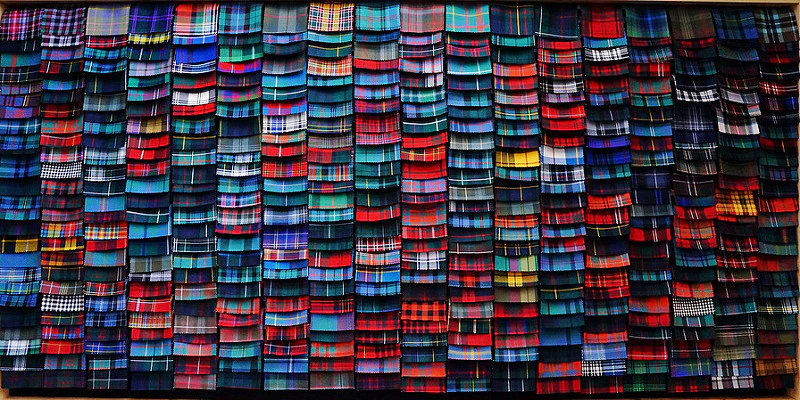
No element of Scottish dress speaks more deeply than tartan. Each pattern is a coded map of heritage. To wear your clan’s tartan is to carry its spirit with pride.
You can explore how clans are connected through their unique weaves in our detailed article on How Many Scottish Clans?.
Modern Interpretations and Global Influence
While traditional kilts remain timeless, designers today reimagine Scottish dress for the modern world. Runways in Edinburgh and beyond feature tartan-inspired fashion that honors heritage while embracing innovation.
Contemporary Scots wear kilts not only on formal occasions but also in daily life, blending tradition with confidence. Learn how tartan continues to evolve in Scottish Tartan Shawls: A Timeless Blend of Heritage and Elegance.
The Enduring Spirit of Scottish Dress
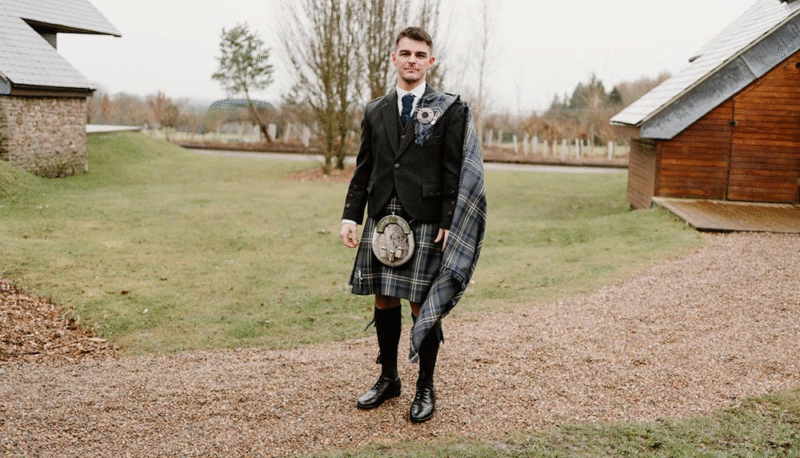
The Scottish national dress is more than fashion, it’s a language of belonging. It tells stories of the Highlands, of resilience, and of the people who refused to fade. Whether worn at a ceilidh, a wedding, or a Highland Games, it binds the past to the present in proud continuity.
To explore how Celtic attire resonates beyond Scotland, see our post on Do Irish Wear Kilts?.
Conclusion: Threads of Identity
In every tartan stripe lies a nation’s pulse. Scottish national dress stands not as a costume of the past but as a celebration of living culture, woven with memory, pride, and unity.
For more on Celtic traditions, visit our Culture & Tradition section on CeltGuide.