Tartan Kilts for Weddings: A Highland Symbol of Love

Few sights are more striking than a groom in a tartan kilt. In Scotland, the wedding day isn’t only about love. It’s about lineage, pride, and continuity. The tartan kilt transforms a celebration into a statement of belonging, where every thread reflects centuries of Scottish identity.
The Kilt: A Groom’s Highland Declaration
For many Scots, wearing a kilt on their wedding day is an act of homage—to ancestors, to clan, and to country. The kilt, often made of pure wool, carries the colors and sett of the groom’s family tartan.
The groom’s attire usually includes a Prince Charlie jacket, a sporran for formality, and polished ghillie brogues. Together, they express dignity and grace that modern suits rarely achieve.
To understand the origin of these woven patterns, explore our guide on What Is Tartan?, where heritage meets artistry.

Choosing the Right Tartan for the Big Day
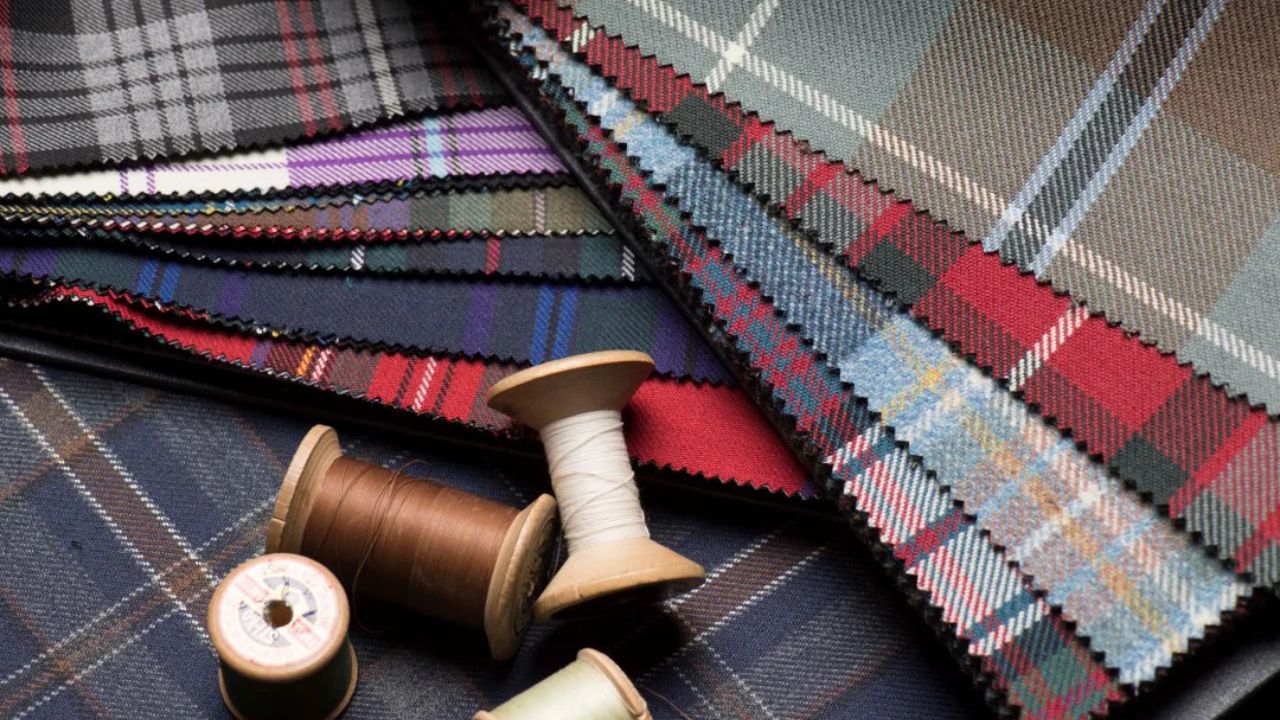
Selecting the right tartan is as emotional as it is aesthetic. Traditionally, grooms wear their family or clan tartan, connecting the moment of marriage to ancestral roots.
But modern couples often get creative—some mix patterns from both families, symbolizing unity. Others select a neutral or district tartan that honors Scottish culture without claiming lineage.
You can learn more about the diversity of clans and tartans in our post How Many Scottish Clans?.

A Bride’s Touch: Coordinating with the Kilt
The beauty of tartan extends beyond the groom. Many brides choose to wear a tartan sash, pinned with a clan brooch or family crest, as a gesture of shared heritage. It’s a graceful way to unite families under one tartan.
For tips on styling, visit How to Wear a Tartan Sash.

Accessories that Complete the Highland Look
Every detail in a Scottish wedding outfit carries symbolism:
- Sporran: Often made of leather or fur, it represents tradition and practicality.
- Kilt Pin: Adds weight and flair to the front apron.
- Dirk Knife: Worn ceremonially as a nod to Highland valor, learn more in What Is a Dirk Knife?.
- Fly Plaid: Draped over the shoulder for extra formality, often secured with a clan badge.

Wearing History with Modern Grace
Tartan kilts at weddings bridge centuries. What began as Highland battle dress evolved into a proud symbol of cultural identity. Wearing one today isn’t about costume—it’s about connection.
Modern weddings reinterpret the look. Grooms blend traditional kilts with contemporary jackets or custom tartan waistcoats. The result feels timeless yet personal.
To see how tartan remains fashionable in modern design, explore Scottish Tartan Shawls: A Timeless Blend of Heritage and Elegance.
The Symbolism of Tartan in Marriage
In a Scottish wedding, the kilt is more than attire—it’s a narrative. Each thread represents fidelity, loyalty, and courage. As two families unite, the kilt becomes a metaphor for weaving lives together.
Many couples even incorporate tartan ribbons in bouquets or tie the knot—literally—with tartan cloth during the handfasting ceremony, a Celtic ritual of unity.
You can explore more Celtic wedding traditions through related culture topics in our Culture & Tradition section.

Kilts Beyond the Highlands
Tartan wedding kilts have found their place not only in Scotland but across the world. From Edinburgh to New York and Sydney, Scots abroad carry their heritage proudly down the aisle.
Weddings that feature kilts connect families scattered across continents to their Highland origins. The sound of bagpipes, the sight of tartan, and the rhythm of the ceilidh remind everyone where the heart of Scotland still beats.
To see how weather and location influence kilt wear, read Kilts and Weather in Scotland.

Conclusion: A Legacy Worn with Pride
Tartan kilts bring history, artistry, and identity to the modern wedding. They celebrate the bond not only between two people but between generations.
To wear a kilt on your wedding day is to stand where your ancestors stood—with pride, honor, and love woven into every fold.
For more on Celtic heritage and style, visit our Fashion & Style section at CeltGuide.