Celtic Woven Patterns: Threads of Meaning and Heritage

Celtic woven patterns are more than decorative designs, they are symbols of connection, eternity, and identity. Each loop, twist, and thread carries centuries of craftsmanship and spiritual meaning. From the knotwork carved on stones to the intricate tartan weaves of Highland clans, Celtic weaving reflects the deep relationship between art, nature, and belief.
Origins of Celtic Weaving
The origins of Celtic woven art date back over 2,000 years. Early Celts, known for their mastery of metalwork and textiles, created interlaced patterns to symbolize eternity. These motifs often appeared on jewelry, manuscripts, and fabrics. The Celtic knot, one of the most famous woven patterns, was used to depict life’s endless flow — no beginning, no end.
Archaeological finds across Ireland and Scotland reveal woven fragments that once adorned clothing and ritual garments. The Celts’ attention to texture and geometry shows a people deeply attuned to balance and symbolism, much like their stone carvings and sacred spirals.

Symbolism in Celtic Knotwork
Celtic knotwork stands as the heart of woven symbolism. Each pattern tells a different story:
- Triquetra (Trinity Knot): Represents life, death, and rebirth or earth, sea, and sky.
- Shield Knot: A pattern of protection and strength.
- Spiral Knot: Symbolizes spiritual growth and motion through time.
These knots often appeared in manuscripts such as the Book of Kells, alongside interlaced animals and vines — all bound together in endless flow. The patterns mirrored the Celtic belief that all life is interconnected, a belief still alive in Irish storytelling and tradition.
Woven Patterns in Fabric and Fashion
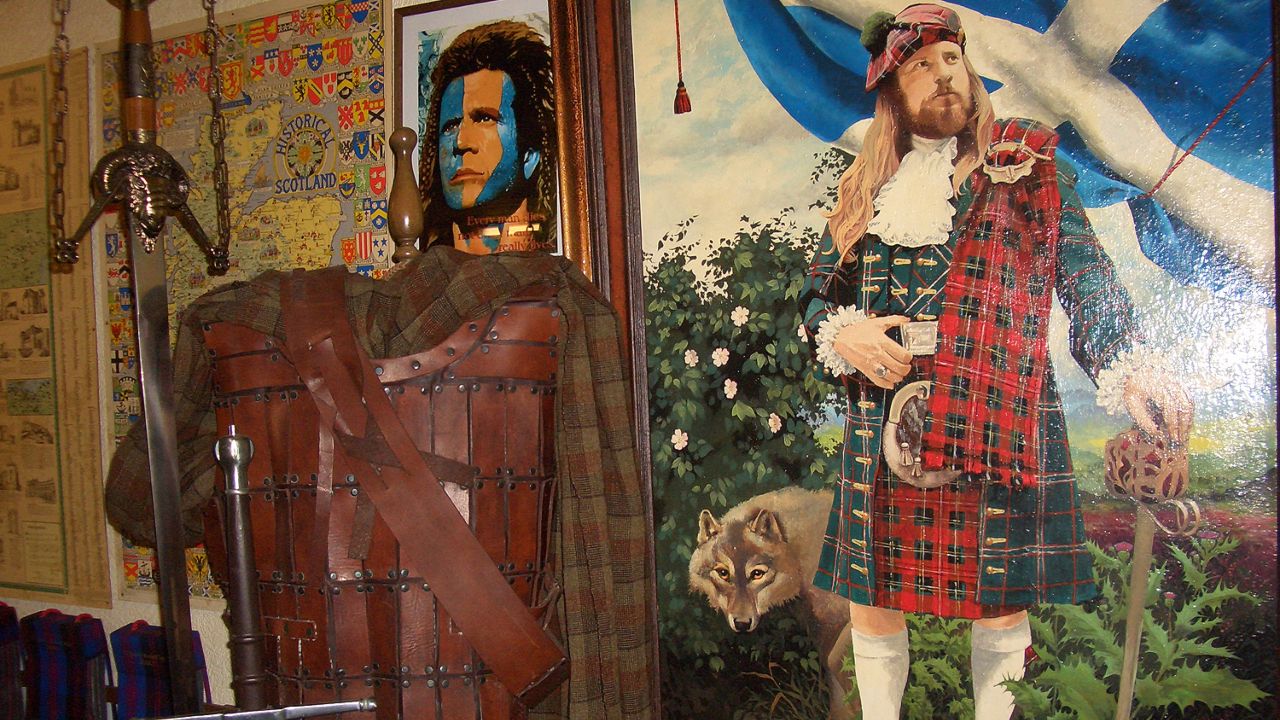
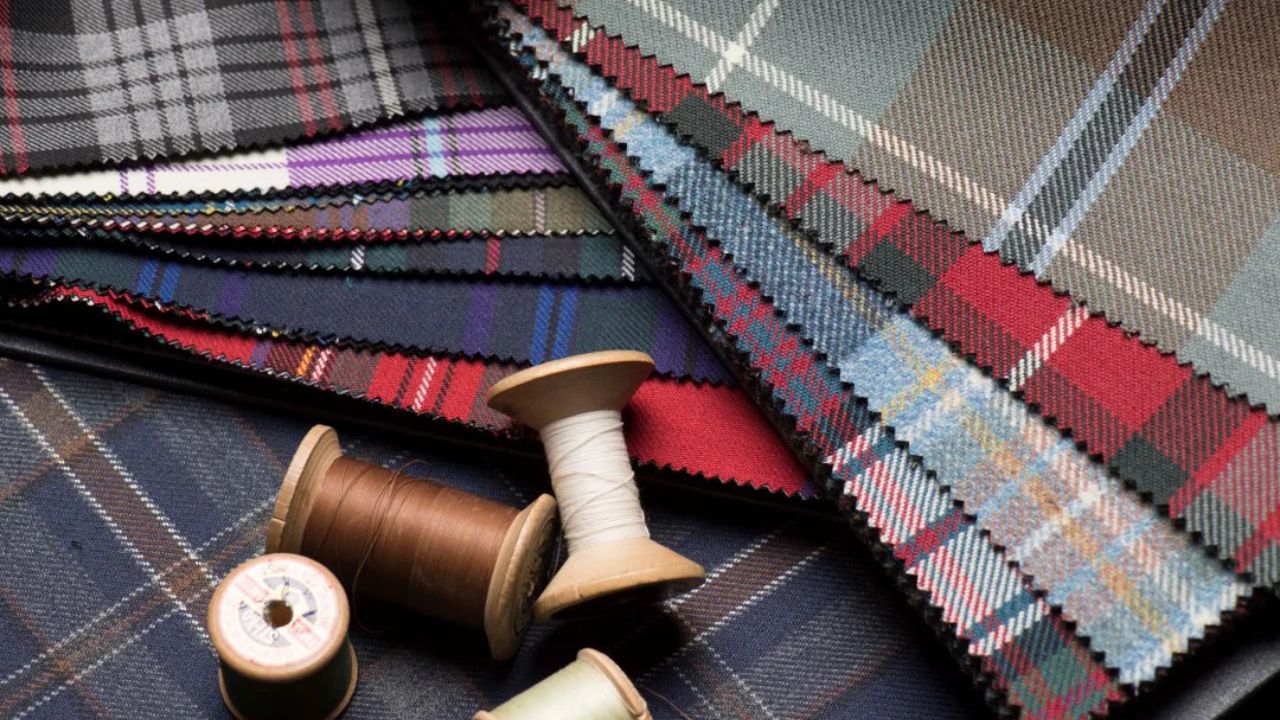
Celtic weaving extended far beyond symbolism. In the Highlands and Isles, artisans used dyed wool to create geometric patterns that evolved into clan tartans. Each weave became an emblem of belonging. The practice continues today through Scottish tartans and shawls, where design is identity.
Traditional Irish and Scottish weavers also used linen and wool to craft cloaks, blankets, and sashes. The rhythmic process of weaving reflected harmony with nature — every pattern a conversation between thread and loom.
Celtic Weaving in Modern Design
Today, Celtic woven patterns continue to inspire designers across the world. From jewelry and tattoos to contemporary textiles, the interlacing lines still evoke heritage and spirituality. Fashion designers reinterpret these motifs to honor ancestry while embracing modern aesthetics.
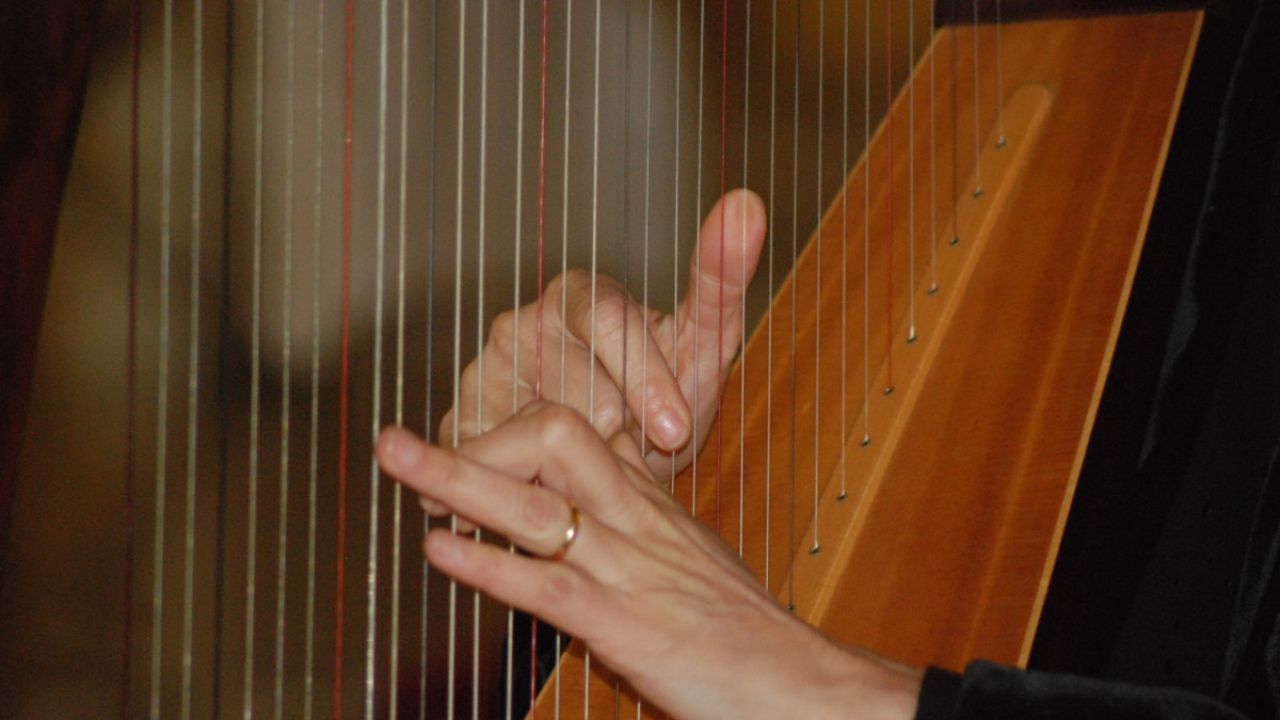
Home décor, digital art, and even architecture incorporate Celtic knot designs, showing that the artistry of the Celts remains timeless. The modern revival mirrors how traditions such as the Celtic harp and Gaelic proverbs continue to echo ancient creativity.

The Eternal Thread of Celtic Identity
The woven art of the Celts teaches us that beauty lies in continuity. Whether through fabric, stone, or story, these patterns express the interconnectedness of life. To study them is to understand how the Celts saw the universe — an endless weave of spirit, nature, and artistry.
Each pattern, from the bold tartans to the delicate knot, is a whisper from history reminding us that identity is something we carry and continually weave — through time.