
Irish Cattle Horn Artifacts: Symbols of Craft and Culture

Across the centuries, Ireland’s landscapes have preserved more than just stone ruins and sacred wells. Hidden in bogs, museums, and private collections are cattle horn artifacts—items that reveal much about daily life, ritual, and artistry in Celtic and medieval Ireland. From drinking vessels to ceremonial objects, these horns are echoes of a time when cattle were wealth, status, and sustenance.
Why Cattle Horns Mattered in Ireland
Cattle were central to early Irish society, not just as food but as currency, wealth, and even dowry. Horns, durable and versatile, were naturally adapted into objects that served both practical and symbolic purposes. They were:
- Drinking horns for feasting and ritual
- Musical horns for signaling and ceremony
- Carved ornaments that carried Celtic patterns and symbolism
- Everyday tools shaped from a resource that was abundant in rural life
For broader context on how material objects carry cultural meaning, see our piece on Celtic Stone Carvings.
Drinking Horns: Feasting and Fellowship
Drinking horns were often decorated with metal fittings, carvings, and Celtic knotwork, turning them into both practical items and status symbols. To raise a horn of mead or ale was not only an act of celebration but also one of identity, linking the drinker to ancestral traditions.
The spirit of communal gatherings lives on today in Irish music and celebration, from Ceili Bands to the storytelling traditions still thriving in pubs and festivals (Why Are Irish People Natural Storytellers?).

Horns as Tools and Symbols
Not all cattle horns were ceremonial. Many were worked into practical tools—powder horns, scoops, or containers. Their resilience made them valuable for daily rural life. Yet, even the simplest horn carried symbolic undertones.
The Celts often linked horned animals with fertility, power, and divine strength, echoing in myths surrounding deities like Lugh, the Celtic Sun God.
Horns in Ritual and Myth
Irish cattle horn artifacts are not only physical remains, they also belong to the world of myth and folklore. The sound of a horn could summon warriors, announce a feast, or call a community together. In this sense, horns bridged the practical and the sacred, much like the Bodhrán Drum still bridges rhythm and ritual today.

Where to See Irish Horn Artifacts Today
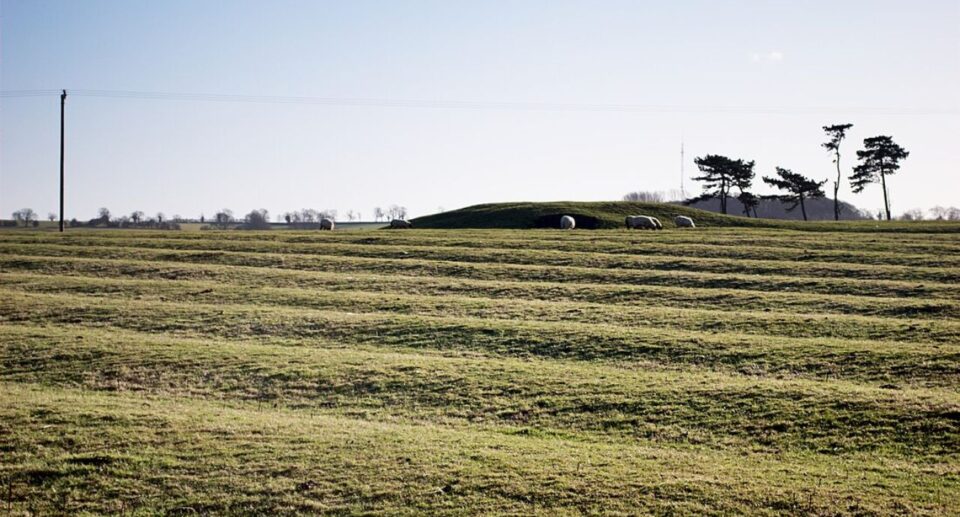
Many cattle horn artifacts are preserved in Irish museums, while others remain embedded in the landscape, occasionally uncovered by farmers or archaeologists. These finds remind us that history does not just live in books but in objects once held in human hands.
If exploring Ireland, combining visits to sites like the Hill of Tara with museum collections gives a fuller sense of how myth, ritual, and material culture are deeply intertwined.
Conclusion: Craft, Community, and Continuity
Irish cattle horn artifacts stand as testaments to how everyday objects carried deep symbolic weight in Celtic and medieval life. They show us a culture where nothing was wasted, where artistry elevated the ordinary, and where even a drinking vessel could tell the story of identity, survival, and celebration.