Gaelic Sea Shanties: Songs of Waves, Work, and Wanderers
Sailing demands rhythm. From pulling ropes to hoisting sails, sailors once relied on music to keep work steady and spirits alive. For Celtic seafarers, these work songs came alive as Gaelic sea shanties. Blending Gaelic language, maritime life, and Celtic storytelling, these songs carried voices over roaring waves and into cultural memory. Like Irish storytelling traditions, Gaelic shanties reveal how song and story knit survival with identity.
Origins of Gaelic Sea Shanties
Shanties existed wherever sailors worked, but in Gaelic-speaking communities—Scotland’s west coast, the Hebrides, and parts of Ireland, they took unique form. Sung in Gaelic, often with lilting, call-and-response structures, they accompanied everything from rowing to anchor-hauling.
Maritime life wasn’t easy. Singing created rhythm, lightened toil, and reminded sailors of land, kin, and faith. Like the bodhrán drum that keeps Irish dancers in sync, Gaelic shanties kept crews working as one body against the sea’s relentless pull.
Themes in Gaelic Sea Shanties
Gaelic sea shanties were more than work chants. They carried deep emotion and community memory.
- Nature and the Sea – The ocean wasn’t just water; it was alive, powerful, and unpredictable, much like the myths of Selkies in folklore.
- Love and Longing – Sailors often sang of lovers left ashore, echoing the themes of Gaelic children’s lullabies in their tenderness.
- Faith and Fate – Songs invoked God or fate for safe passage, reflecting a spirituality similar to the reverence shown at Irish holy wells.
- Work and Brotherhood – The shanty was a bond. Every sailor joined, and every voice mattered.

Function: Rhythm, Morale, Identity
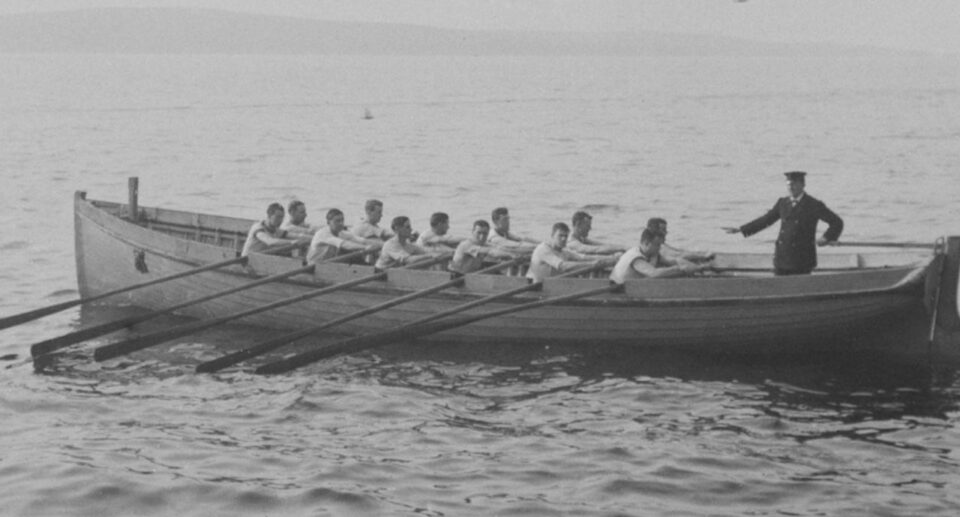
Sailors didn’t sing shanties idly; the music had a purpose. Different types of work required different tempos. A short-haul shanty set pace for pulling ropes, while long, steady songs carried the rhythm for rowing. The leader sang the line, the crew answered, and the work flowed with the beat.
Morale mattered at sea. Shanties reminded crews that they weren’t alone, their struggles part of a shared rhythm. Beyond function, Gaelic sea shanties built identity. They affirmed language, heritage, and resilience. Just as Celtic bells rang out to connect communities, shanties carried voices across waters.

Survival and Modern Revivals
The age of sail has faded, but Gaelic sea shanties survive. Folklorists recorded fragments in the 19th and 20th centuries. Today, festivals in Scotland and Ireland celebrate maritime song, and Gaelic singers reclaim these old verses with pride.
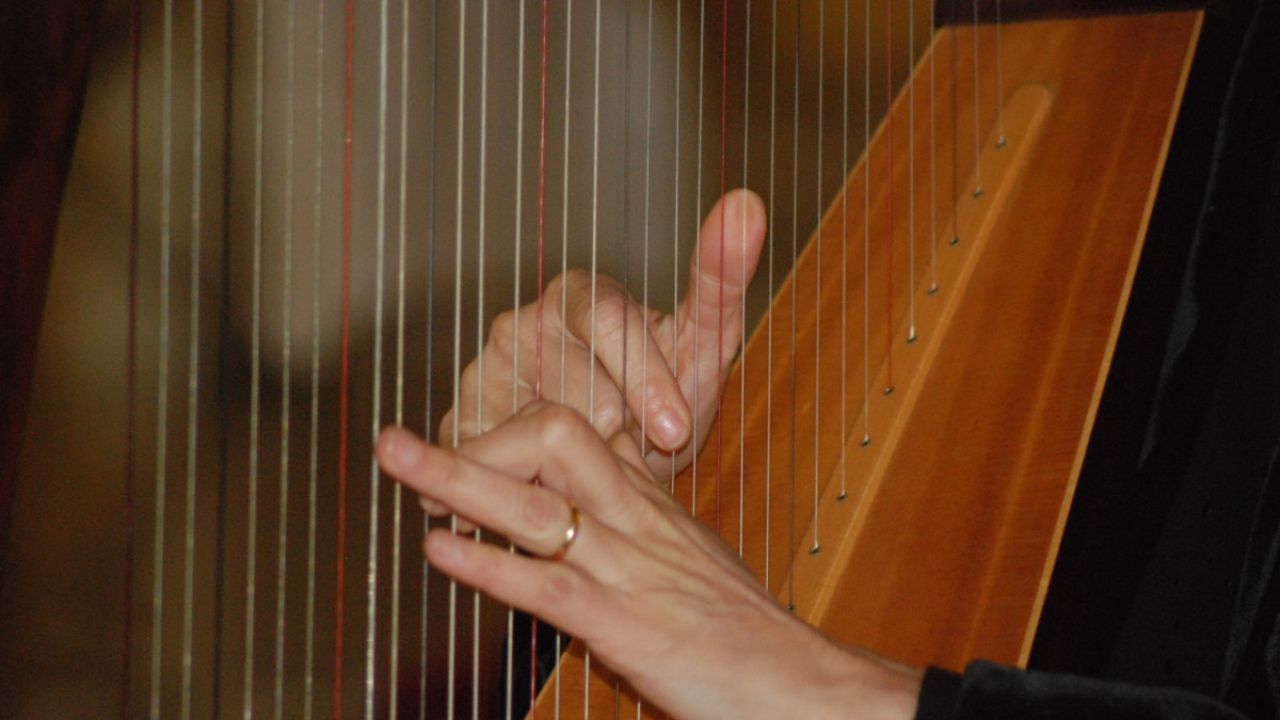
Modern audiences, even outside Gaelic-speaking circles, connect with the raw honesty of shanties. Platforms like TikTok have sparked a global sea shanty craze, proving the tradition’s adaptability. Just as the clarsach harp found new life in Celtic folk music, shanties return not as relics but as living soundscapes.

Conclusion: The Call Still Echoes
Gaelic sea shanties are more than old work songs. They are heritage preserved in rhythm, language, and communal breath. They remind us that culture doesn’t sit in museums—it travels, adapts, and survives. Next time you hear a shanty rising like a tide, remember: it carries the Gaelic world’s voice, echoing still across waves and centuries.