Celtic Bronze Trumpets: Echoes of Ancient Ritual and Power

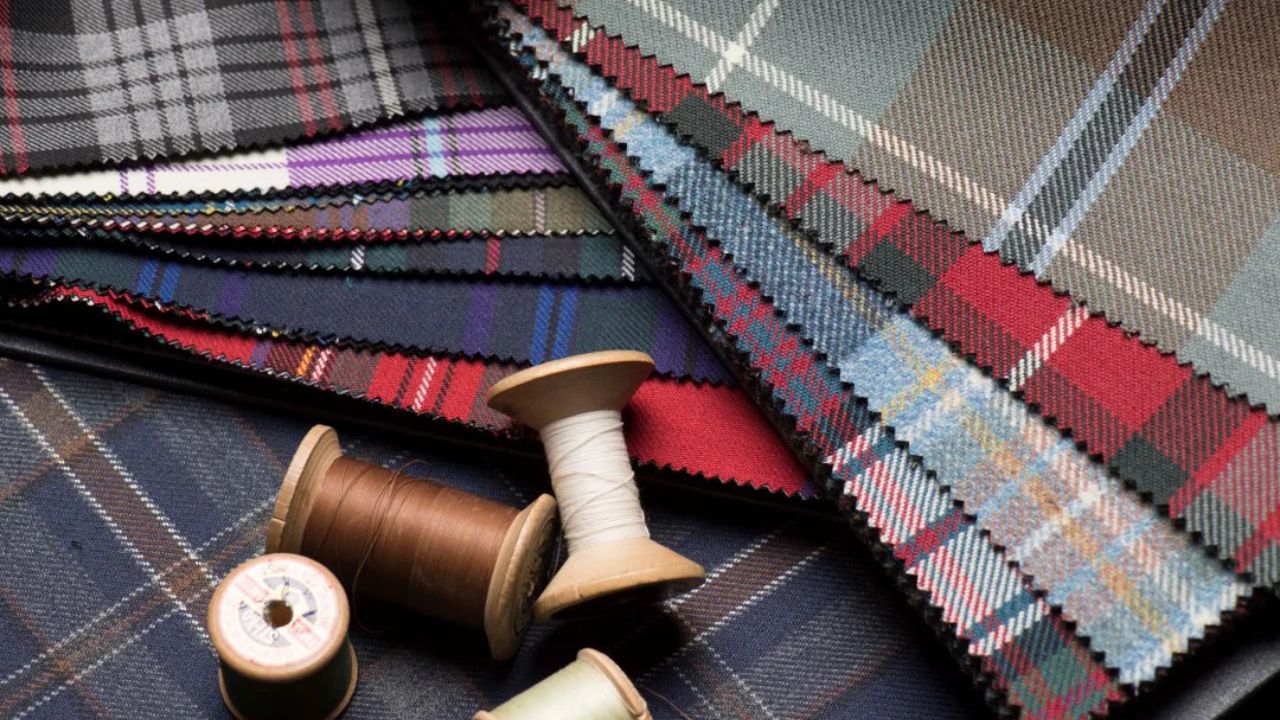
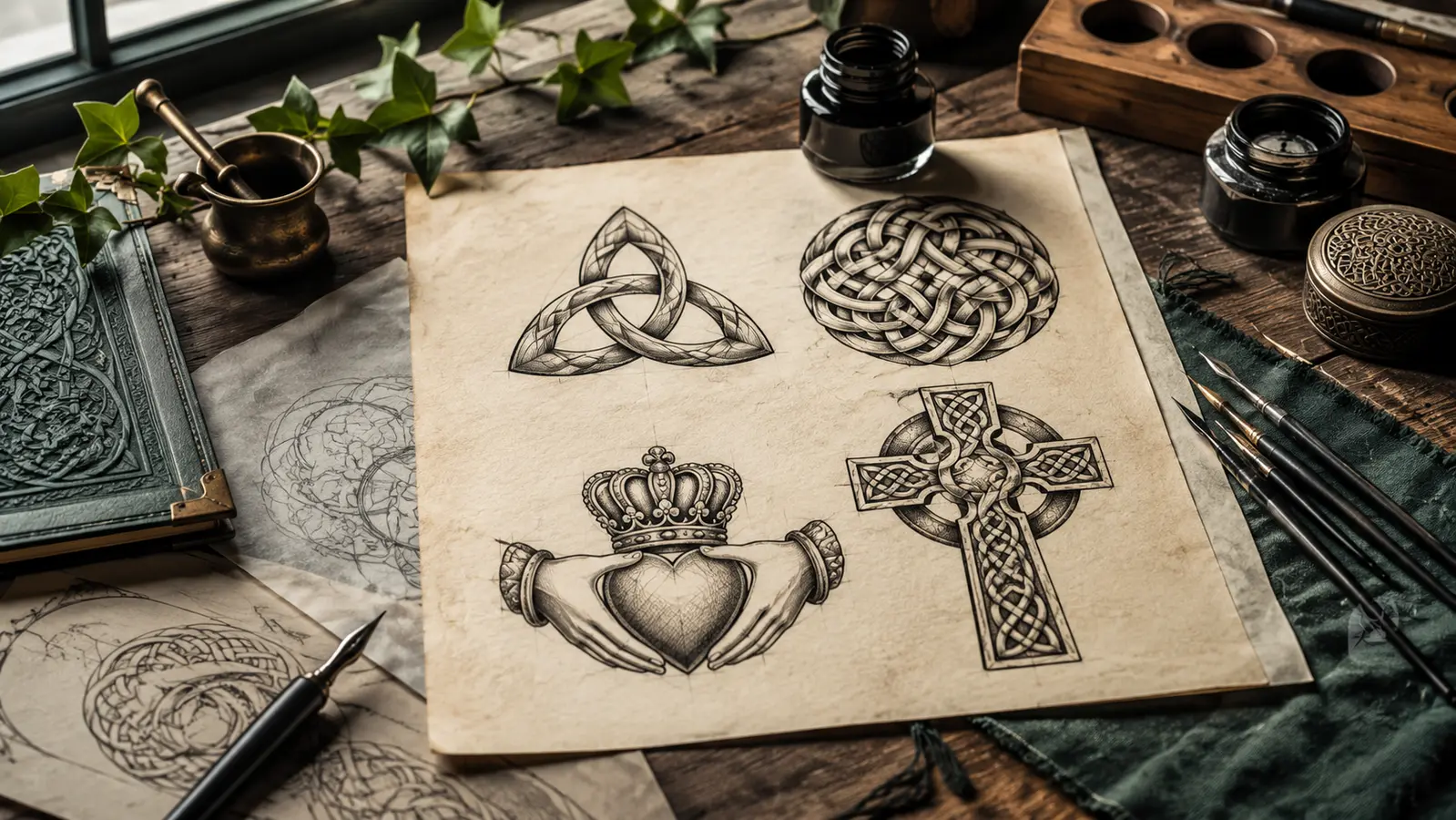
When we picture the Celts, most people think of swirling Celtic stone carvings, vivid tartan, and fierce warriors. Yet one of the most striking elements of their culture wasn’t visual at all, it was sound. Among the most impressive instruments were the Celtic bronze trumpets, monumental horns that could echo across valleys and battlefields. These instruments weren’t built for quiet melodies. They were built for power, ritual, and a sense of awe.
Origins of Celtic Bronze Trumpets
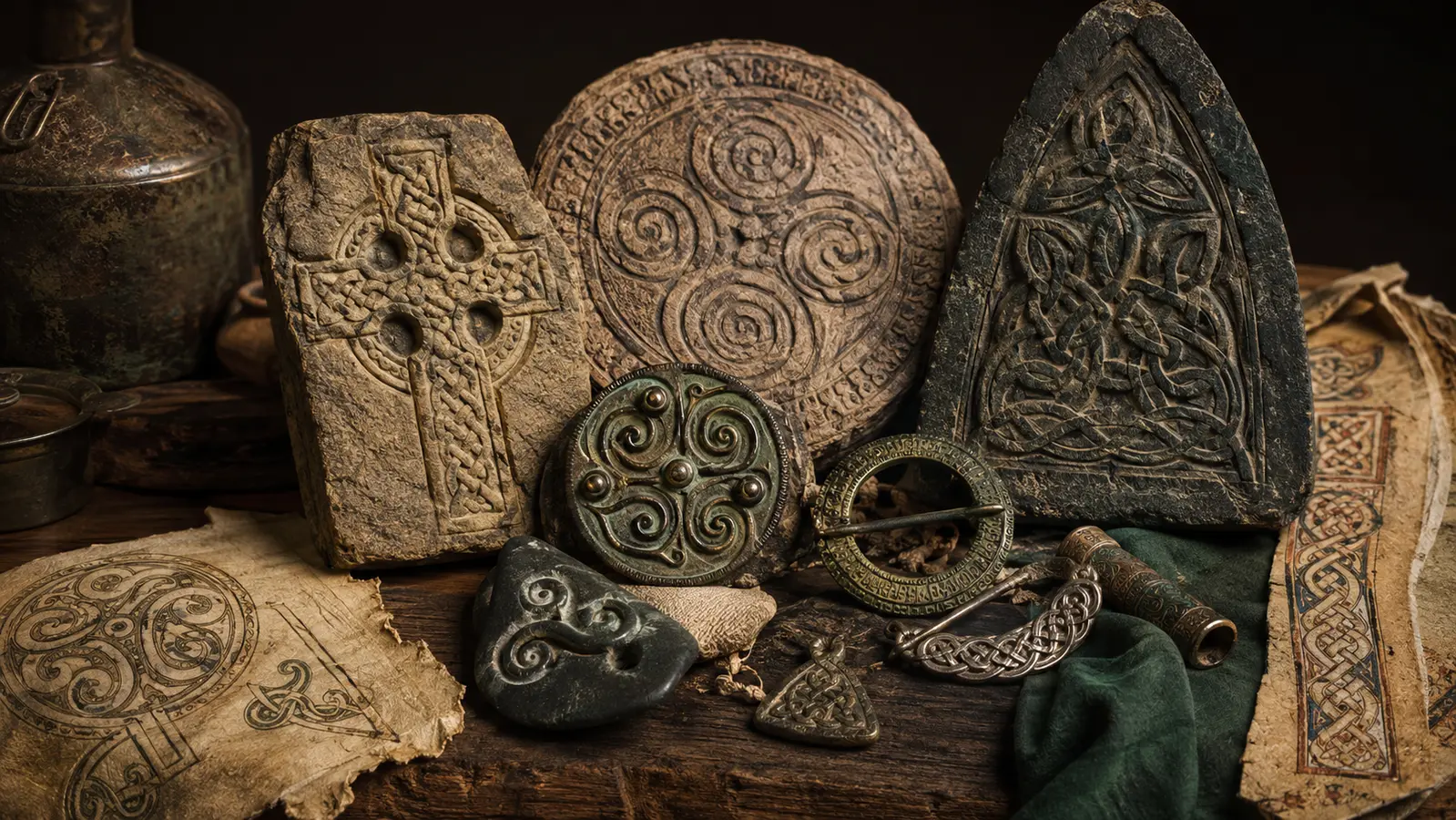
Archaeological finds across Ireland, Britain, and continental Europe reveal trumpet designs dating back to the Late Bronze Age. Crafted entirely from bronze, these instruments demanded extraordinary skill in metalwork. Some were curved and graceful; others, like the Carnyx, stood tall with dragon-headed bells. Their creation wasn’t just technical—it was symbolic, a fusion of craftsmanship and spirituality.
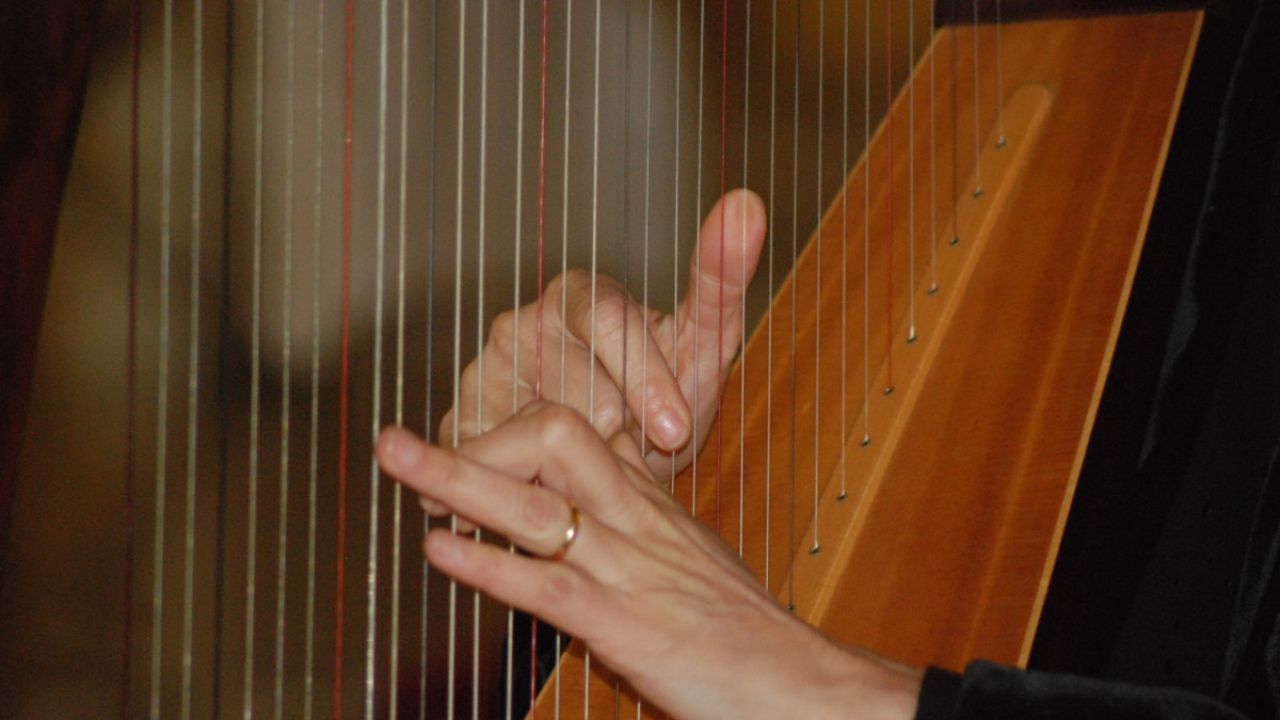
The Celts saw sound as more than vibration. It was a bridge between the earthly and divine. Trumpets held sacred roles in ceremonies, much like the clarsach harp or ritual Celtic bells.
War Horns and the Carnyx
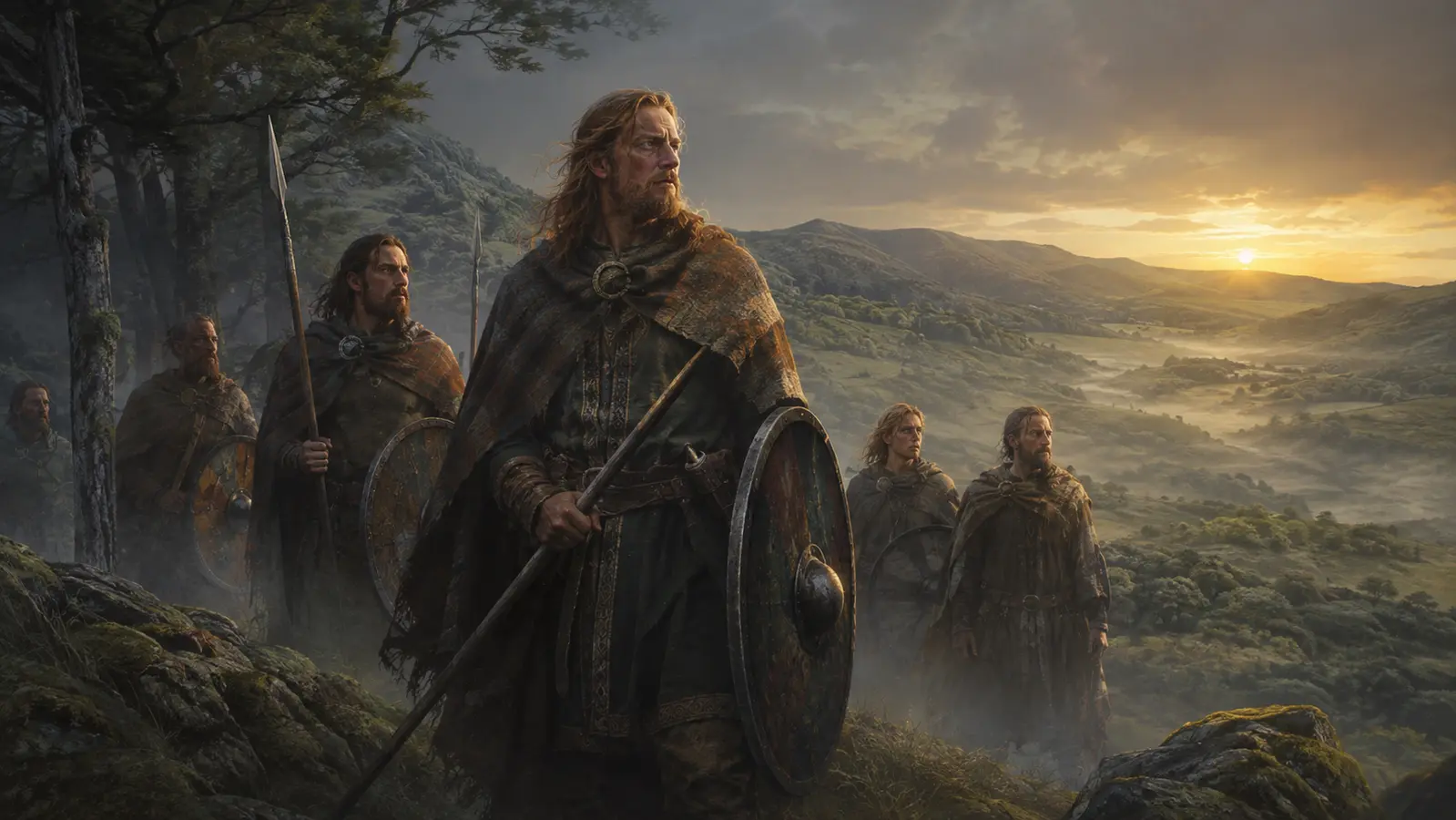
The Carnyx remains the most famous of these bronze trumpets. Its towering form and beast-like bell created a visual and auditory weapon. Imagine a Celtic army marching into battle, the sky split with roaring blasts from dragon-mouthed horns. Enemies felt terror not just from the warriors but from the otherworldly shrieks of these instruments.
Historians believe the Carnyx could project sound for miles. Unlike modern trumpets, it wasn’t about harmony. It was about chaos, fear, and dominance. The Highland charge centuries later carried the same psychological impact. Celtic warfare valued intimidation as much as steel.

Ritual and Ceremonial Roles
Trumpets also played a role in Celtic spirituality. They were blown during sacred gatherings, harvest festivals, and possibly funerary rites. Just as Irish holy wells connected water to the divine, trumpet blasts carried human voices toward the gods.
Some scholars argue that the Carnyx symbolized the Otherworld. Its sound, distorted and animal-like, blurred the line between human and spirit. This duality reflects a culture where music, myth, and ritual overlapped seamlessly.
Craftsmanship and Symbolism
Each trumpet tells us about Celtic artistry. Bronze wasn’t easy to shape, yet craftsmen forged long tubes with precision. The dragon or boar heads weren’t decoration alone, they projected cultural identity and clan strength. Similar symbolism survives in objects like the Claddagh ring or dirk knives, where form and meaning remain inseparable.

Legacy of the Bronze Trumpet
Today, replicas of Celtic trumpets are played in reenactments and Celtic festivals. Their booming sound continues to inspire fascination, reminding us that music isn’t just entertainment—it’s identity, memory, and continuity. Just as Celtic proverbs carry wisdom across centuries, the trumpet’s call still echoes a world where sound could move both armies and gods.
Conclusion
The Celtic bronze trumpet wasn’t merely an instrument. It was a weapon, a ritual tool, and a cultural symbol. It announced war, sanctified ceremonies, and displayed the power of craftsmanship. To hear its blast, even today, is to step back into a Celtic world alive with myth and sound.