Scottish Gaelic Hymns: History, Music & Faith

Scottish Gaelic hymns are more than melodies. They carry faith, language, and memory across generations. When congregations sang in small Highland churches, they weren’t only worshipping, they were preserving a culture that refused to fade.
Origins in Highland Christianity
The practice of hymn singing in Gaelic began alongside the spread of Christianity through the Highlands and Islands. The translation of scripture, much like the Scottish Gaelic Bible, provided believers with sacred texts in their own language. These verses inspired both structured hymns and unique forms of psalm singing that remain distinctive today.
The Unique Sound of Precenting
One of the most striking features of this tradition is precenting the line. A leader sings a line, and the congregation follows, stretching the melody with ornamentation. The result is a haunting, layered sound unlike any other form of Christian worship.
This echoes the communal energy of other Celtic practices, from fiddle music to bodhrán drumming, where rhythm and voice unite to create identity through sound.

A Shield Against Cultural Loss
During the upheavals of Highland life—forced emigration, the Clearances, and cultural suppression—Gaelic hymnody acted as resistance. Like Gaelic Irish proverbs, hymns became memory keepers, carrying wisdom and comfort.
When communities lost homes and lands, they still carried hymns in their hearts, ensuring faith and heritage traveled with them.

Language as Living Prayer
Hymns in Gaelic do more than praise, they anchor identity. Just as Irish storytellers preserved culture through narrative, Highland singers kept their world alive through sacred verse. Every sung line reaffirmed the importance of the Gaelic tongue as a vessel of both devotion and survival.
A Contemporary Revival
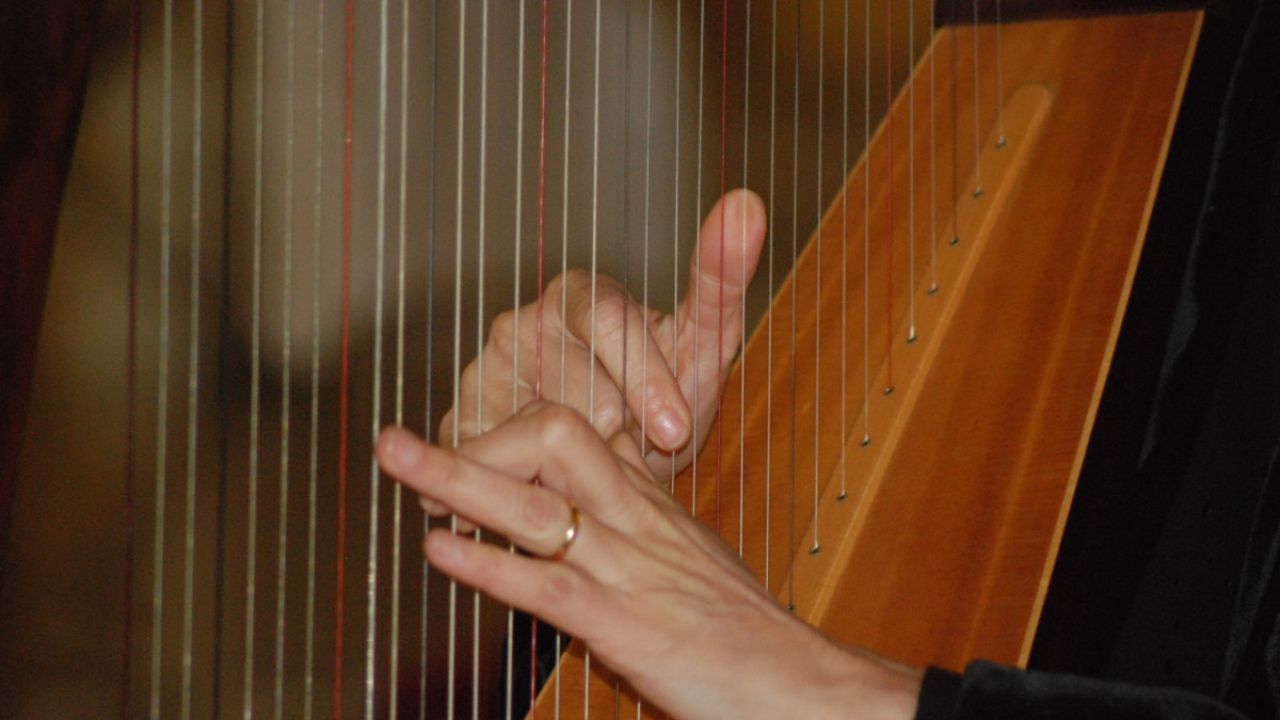
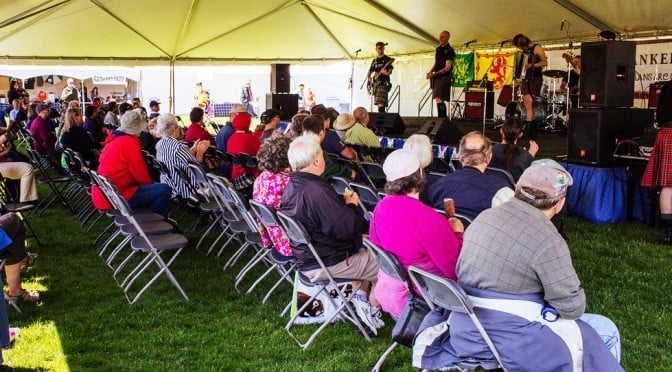
Today, Gaelic hymns echo in churches, cultural events, and recordings. Efforts to preserve and promote them parallel the renewed interest in Clarsach harp music and Celtic stone carvings. Festivals in the Highlands and Islands feature choirs and congregations singing with the same depth of faith as centuries before.
Much like the Highland Games, hymn singing has become both cultural expression and community gathering, drawing people from across the globe.
Why the Tradition Endures
Scottish Gaelic hymnody blends devotion, history, and resilience. These songs remind us that faith and culture thrive when carried by voices united in purpose. For anyone exploring Celtic heritage whether through Gaelic lullabies, Celtic folklore, or Gaelic worship, these hymns offer a direct connection to the heart of the Highlands.