Scottish Folktales: Myths, Legends, and Celtic Traditions

When you wander through the Highlands, stand at the edge of a misty loch, or hear the echo of pipes across a glen, you can almost feel the pulse of ancient stories beneath the landscape. Scottish folktales are not just bedtime tales, they are vessels of culture, memory, and identity.
These legends shaped by the rugged land and its people, carry echoes of both joy and warning. From shape-shifting selkies to heroic dragon slayers, Scotland’s folklore reveals how communities made sense of the world around them.
The Role of Folktales in Scottish Culture
For centuries, storytelling was Scotland’s oral library. Before literacy spread, tales were passed down around peat fires, keeping families entertained through long Highland nights. Much like Irish storytelling traditions, Scottish stories carried wisdom, humor, and a sense of belonging.
They were more than entertainment: they carried moral lessons, cultural values, and warnings about nature’s power. It’s no coincidence that so many stories are set by lochs, moors, and seas—the very landscapes that shaped Scottish life.
Famous Scottish Folktales and Legends
1. Selkies – The Seal Folk
Selkies are among the most beloved creatures of Scottish folklore. Said to live as seals in the sea but shed their skins to become human on land, selkie stories often revolve around themes of love, longing, and loss. These tales, especially common in Orkney and Shetland, reflect the close bond between Scots and the sea.

2. The Linton Worm – A Scottish Dragon
The Linton Worm is Scotland’s own dragon legend. According to the tale, the beast terrorized the countryside until a clever knight tricked and slew it. Such tales highlight Scotland’s blend of Celtic imagination and medieval chivalry.

3. The Fairy Glen of Skye
The Isle of Skye is home to the Fairy Glen, a surreal landscape where folklore says fairies dwell. Spirals of stones, unusual hill formations, and mystical quietness feed stories of hidden realms. These tales blur the line between natural wonder and supernatural belief.

4. Kelpies – Spirits of the Water
Perhaps the most terrifying figures in Scottish folklore are kelpies—shape-shifting water spirits that lure humans (often children) to watery graves. These dark tales served as warnings to keep away from dangerous rivers and lochs.

Folklore, Language, and Identity
Many folktales were preserved in Scottish Gaelic, reminding us of the cultural ties between language and identity. Just as Gaelic Bible translations helped keep faith alive, storytelling in Gaelic helped keep oral tradition vibrant and community bonds strong.
Folktales and Material Culture
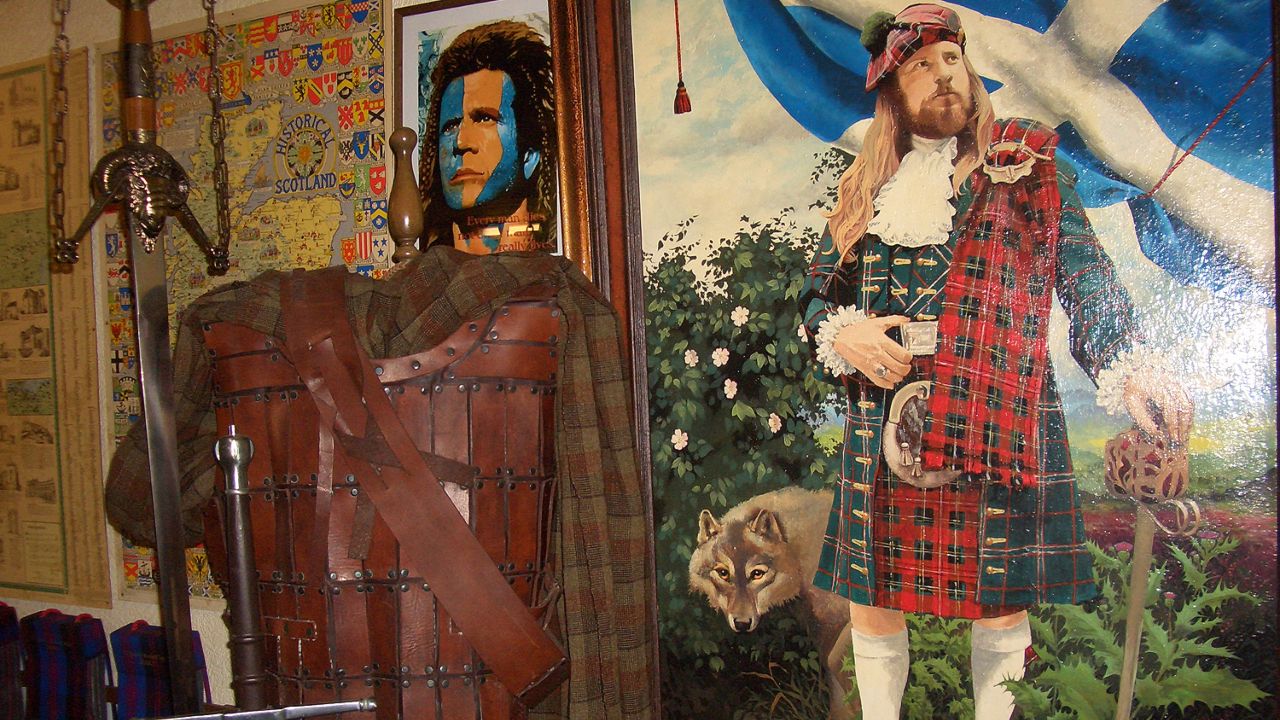
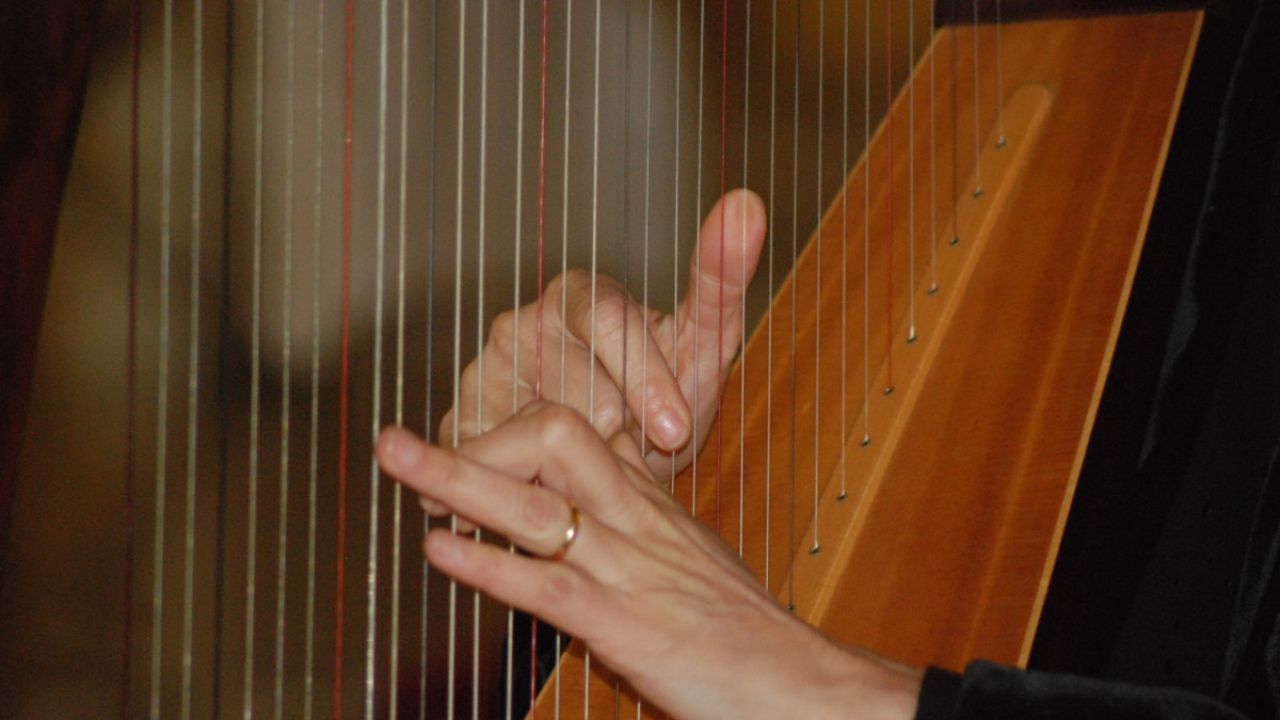
Scottish folktales are inseparable from Scotland’s broader cultural symbols. The swirl of a tartan, the haunting melody of a clarsach, or the rhythmic beat of a bodhrán—all evoke the same imaginative world in which legends live on.
Why Scottish Folktales Still Matter
Folktales are not relics of the past. They continue to inspire literature, music, and even film (think of Brave or Outlander). More importantly, they remind Scots and admirers alike that heritage is not static, it’s a living conversation between land, people, and memory.
Whether it’s the romantic tragedy of the selkies, the terror of kelpies, or the mystical calm of Fairy Glen, Scottish folktales continue to enchant because they hold universal truths dressed in local imagination.
Final Thoughts
Scottish folktales are a bridge between past and present. They are not only entertaining but also deeply instructive about how Scots understood love, loss, danger, and hope. Next time you walk through a glen or stand by a loch, listen closely, you might just hear the whisper of an old story carried on the wind.
For more on Celtic myths and legends, explore our mythology and folklore archives.