


Irish Emigration Ships: Journeys of Hope and Hardship

Introduction: Leaving Ireland by Sea
For centuries, ships carried not just goods across the Atlantic, but also people—dreamers, laborers, and families fleeing hardship. Among the most haunting chapters in Ireland’s past is the story of Irish emigration ships, vessels that bore millions away from their homeland.
Much like the way Irish people became renowned storytellers, these ships carried stories—of resilience, sorrow, and hope—that shaped the Irish diaspora around the globe.
The Great Wave of Emigration
Irish migration had long existed, but the 19th century Great Famine turned movement into mass exodus. Between 1845 and 1855, over two million people left Ireland, many on ships bound for America, Canada, and Australia.
- Push factors: famine, poverty, land pressure.
- Pull factors: promises of land, work, and a chance at survival.
For many, these voyages began as desperate escapes from the devastation described in the Irish Potato Famine’s influence.
The Coffin Ships: Journeys of Suffering
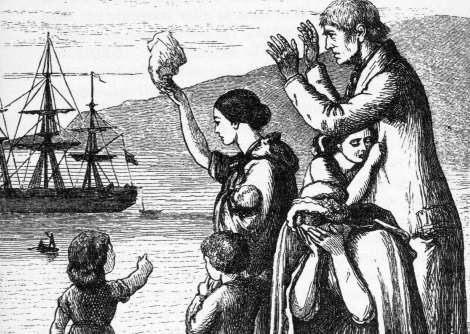
Not all ships offered safe passage. Many emigrants traveled aboard what came to be called “coffin ships”—overcrowded, poorly supplied vessels where disease and hunger were rampant.
- Mortality rates were shockingly high, with some voyages losing up to a third of their passengers.
- Conditions were cramped, with little food, water, or sanitation.
Yet, despite the dangers, thousands braved the Atlantic, driven by necessity. These ships became floating symbols of both tragedy and endurance, as powerful in memory as Celtic stone carvings that preserve cultural history.

Arrival and New Beginnings
Reaching the shores of Boston, New York, Quebec, or Sydney did not guarantee success, but survival itself was an achievement. Many emigrants found work on railroads, in mills, or as domestic servants.
The resilience of these communities would echo across generations, much like the cultural legacy expressed through Irish proverbs and music such as the bodhrán drum.
The Legacy of Irish Emigration Ships
Today, Irish emigration ships are remembered as both vessels of suffering and carriers of hope. They represent:
- Diaspora identity: helping form Irish communities abroad.
- Cultural memory: shaping songs, literature, and folklore.
- Resilience: a people’s determination to survive and rebuild.
Just as the Claddagh ring symbolizes love, loyalty, and friendship, the memory of these ships symbolizes endurance through hardship.

Conclusion: Carriers of Stories Across the Seas
Irish emigration ships remain more than historical vessels—they are symbols of human resilience. They carried stories of heartbreak and hope, weaving together the global Irish identity that still thrives today.
From coffin ships of the famine years to safer passages of later migrations, these journeys shaped Ireland’s history just as much as the landscapes left behind. They remind us that every wave on the Atlantic once carried a story, a family, and a future.