The Scottish Lion Rampant: Symbol of Royal Power and Identity

Introduction: A Lion Roars Across History
Few emblems are as striking—or as fiercely Scottish—as the Lion Rampant. With its red lion, claws extended, and tail arched high against a golden background, this banner is instantly recognizable. It’s more than just a flag; it’s a roaring proclamation of Scotland’s royal heritage, authority, and enduring identity.
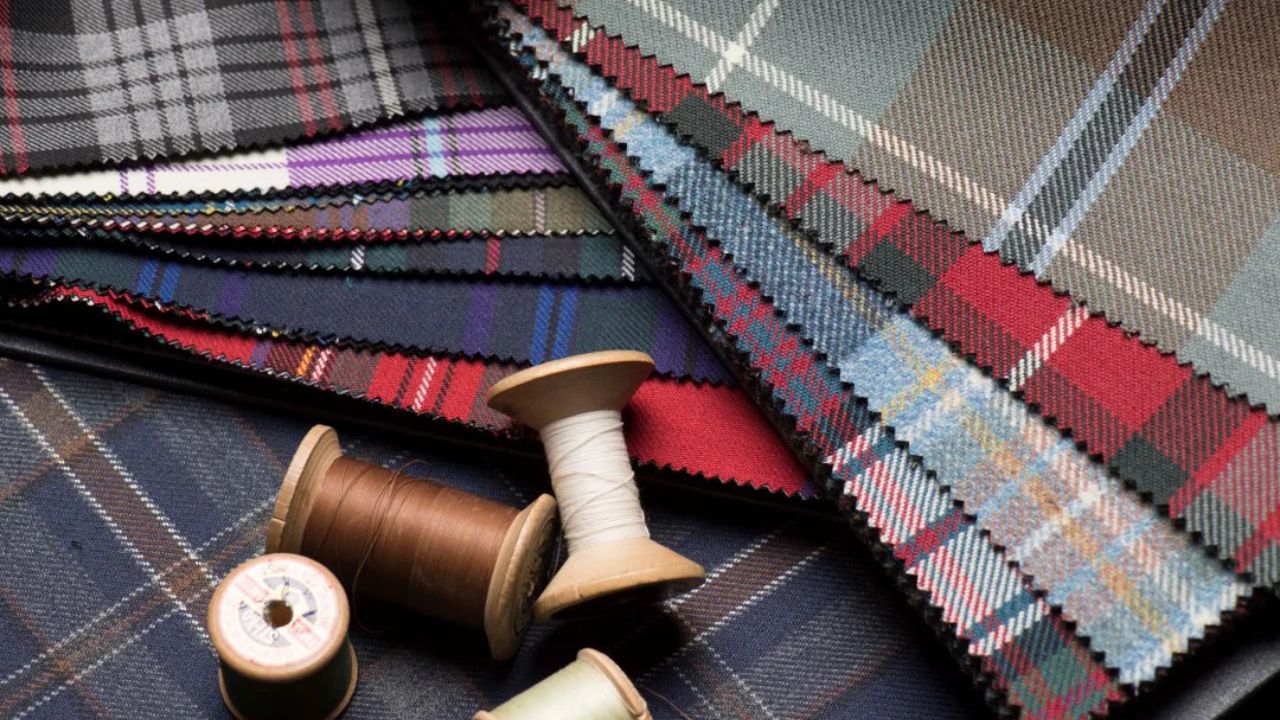
Much like tartan captures the fabric of clan pride, the Lion Rampant embodies the political and cultural heartbeat of Scotland itself.
What is the Scottish Lion Rampant?
The Lion Rampant is officially known as the Royal Banner of Scotland. Unlike the familiar blue-and-white Saltire, which represents the nation, the Lion Rampant is historically reserved for Scotland’s monarchs and the royal family.
- Design: A red lion standing on hind legs (rampant), framed by a double red border decorated with fleur-de-lis, set against a golden background.
- Symbolism: Strength, courage, and sovereignty.

Origins of the Lion Rampant
The lion entered Scottish heraldry during the reign of King William I (1165–1214), known as William the Lion. While the monarch himself didn’t earn the nickname from the flag, the symbol soon became inseparable from Scottish kingship.
Over time, the Lion Rampant stood as a royal emblem, asserting Scotland’s independence and power during times of both peace and conflict. Its proud defiance recalls the spirit that would later fuel cultural resilience, much like the endurance seen during the Irish Potato Famine.
The Lion in Celtic and Medieval Symbolism
The lion has long held symbolic weight across Celtic and European traditions. For Celts, animals often embodied spiritual and martial qualities—lions, though not native to Scotland, represented bravery and divine kingship.
This tradition aligns with other powerful Celtic icons, such as the Celtic Sun God Lugh, whose imagery carried strength and victory. The Lion Rampant, then, is not just heraldry—it is a fusion of mythology, identity, and medieval politics.

Use of the Lion Rampant Today
The Lion Rampant is still flown today, though with restrictions:
- Royal Use: Traditionally, it belongs to the monarch and royal family.
- Ceremonial Display: Seen at castles, state events, and historic celebrations.
- Cultural Symbol: Despite its royal ties, the lion has become a broader emblem of Scottish pride, often appearing on souvenirs, football stadiums, and Celtic festivals.
Just as Highland Games showcase Scotland’s athletic heritage, the Lion Rampant remains a visible testament to its royal legacy.
Fun Facts About the Scottish Lion Rampant
- It’s older than the Saltire – The Lion Rampant predates Scotland’s national flag.
- Legally protected – Its official use is still restricted under law.
- Royal connections – It has been flown over royal residences such as Balmoral Castle.
Conclusion: A Roaring Legacy
The Scottish Lion Rampant is more than a banner—it is history, identity, and power stitched into heraldry. Just as Celtic stone carvings preserved meaning in stone, the Lion Rampant continues to roar across centuries as a bold emblem of sovereignty and pride.
Whether flying above a castle, appearing on a fan’s scarf, or displayed at a festival, the Lion Rampant reminds us that Scotland’s story is one of resilience and majesty.