


Traditional Scottish Clogs: Footwear at the Crossroads of Craft and Culture

Traditional Scottish clogs rarely appear in popular images of Scotland. Tartan, kilts, and brogues dominate visual memory. Yet for centuries, clogs supported working lives across Lowland towns and Highland communities alike. They carried people through labor, music, and movement. To study Scottish clogs is to study everyday Scotland rather than ceremonial display.
As a scholar trained at the University of Edinburgh, I approach clogs as material culture. Objects such as footwear reveal how people adapted to climate, economy, and social class. Scottish clogs tell a story of practicality, resilience, and local craftsmanship.
What Are Traditional Scottish Clogs?
Scottish clogs consist of wooden soles paired with leather uppers. Craftspeople shaped the soles from alder, willow, or sycamore. These woods resisted splitting and absorbed shock well. The leather uppers protected the foot while allowing movement and breathability.
Unlike decorative footwear, clogs served a clear purpose. They elevated the foot above wet ground. They lasted longer than soft leather shoes. Workers valued them for durability rather than style.
Although clogs appear across Britain, Scottish versions developed local traits. Regional makers adjusted sole thickness and leather cut to suit terrain and labor demands.
Clogs in Scottish Working Life
Clogs belonged to the working class. Farm laborers, fishermen, mill workers, and urban tradespeople wore them daily. In industrial towns, clogs protected feet from sharp debris and damp floors. In rural areas, they shielded wearers from mud and peat.
This practical footwear aligns closely with crofting culture, where resilience mattered more than ornament. You can also explore https://celtguide.com/crofters-journey-through-time/.
Clogs also carried social meaning. They signalled labor, not leisure. Yet they never implied poverty alone. Instead, they reflected sensible choices within limited resources.
Sound, Rhythm, and Dance
One overlooked aspect of Scottish clogs lies in sound. Wooden soles strike the ground with rhythm and force. This quality made clogs ideal for percussive movement.
In communal settings, footwork added sound to music. This practice parallels traditions found in Irish step dancing and céilí culture (see https://celtguide.com/ceili-bands/). While Scotland developed different dance forms, the rhythmic use of footwear connects Celtic performance traditions across regions.
Clogs turned movement into music. They blurred the boundary between dancer and musician.

Craftsmanship and Local Production
Clog making required skill and precision. Makers carved soles by hand, shaping them to balance weight and comfort. They then fitted leather uppers using tacks or stitching.
This craft tradition connects with other Scottish material arts, where function and symbolism meet. You can also explore broader craft heritage in https://celtguide.com/celtic-stone-carvings/.
Local production mattered. Clog makers understood regional conditions. They built footwear suited to specific soils, climates, and trades. This knowledge rarely entered written records, but it passed through apprenticeship and practice.
Clogs, Clothing, and Scottish Dress
Scottish clogs never competed with formal Highland dress. They belonged to everyday wear rather than ceremonial identity. Yet they existed alongside garments such as woollen trousers, shawls, and working kilts.
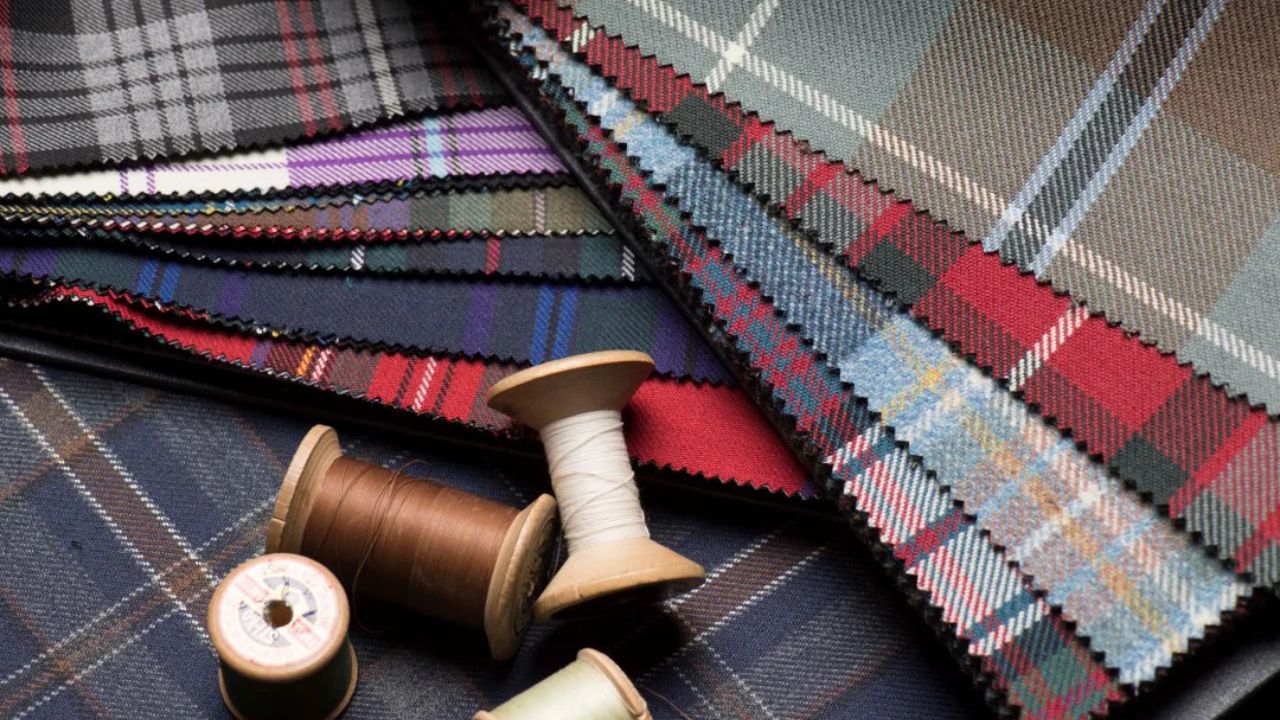
To understand this contrast, you can explore the evolution of tartan and its symbolic role at https://celtguide.com/what-is-tartan/ and https://celtguide.com/how-long-has-the-tartan-prints-been-around/.
Clogs remind us that most Scots lived outside pageantry. Their clothing served climate, labor, and survival first.
Decline and Cultural Memory
Industrial change and mass-produced footwear reduced the use of clogs during the twentieth century. Rubber soles, factory shoes, and changing work patterns replaced traditional forms.
Despite this decline, clogs never vanished completely. Museums, folk performers, and heritage craftspeople continue to preserve them. In academic terms, clogs survive as cultural memory rather than mainstream fashion.
This process mirrors how other traditions persist through storytelling and practice. If you are curious about how narrative sustains culture, you can enjoy https://celtguide.com/why-are-irish-people-natural-storytellers/.
Why Traditional Scottish Clogs Still Matter
Traditional Scottish clogs matter because they anchor history in daily life. They shift attention away from elites and ceremonies. They center workers, makers, and movement.
From a scholarly view, clogs demonstrate how culture lives in ordinary objects. Wood, leather, and rhythm combine to express adaptation and identity. When we study clogs, we study how people met the ground beneath their feet.
Scotland’s heritage does not exist only in castles and tartan. It also survives in worn soles, steady steps, and crafts shaped by necessity.