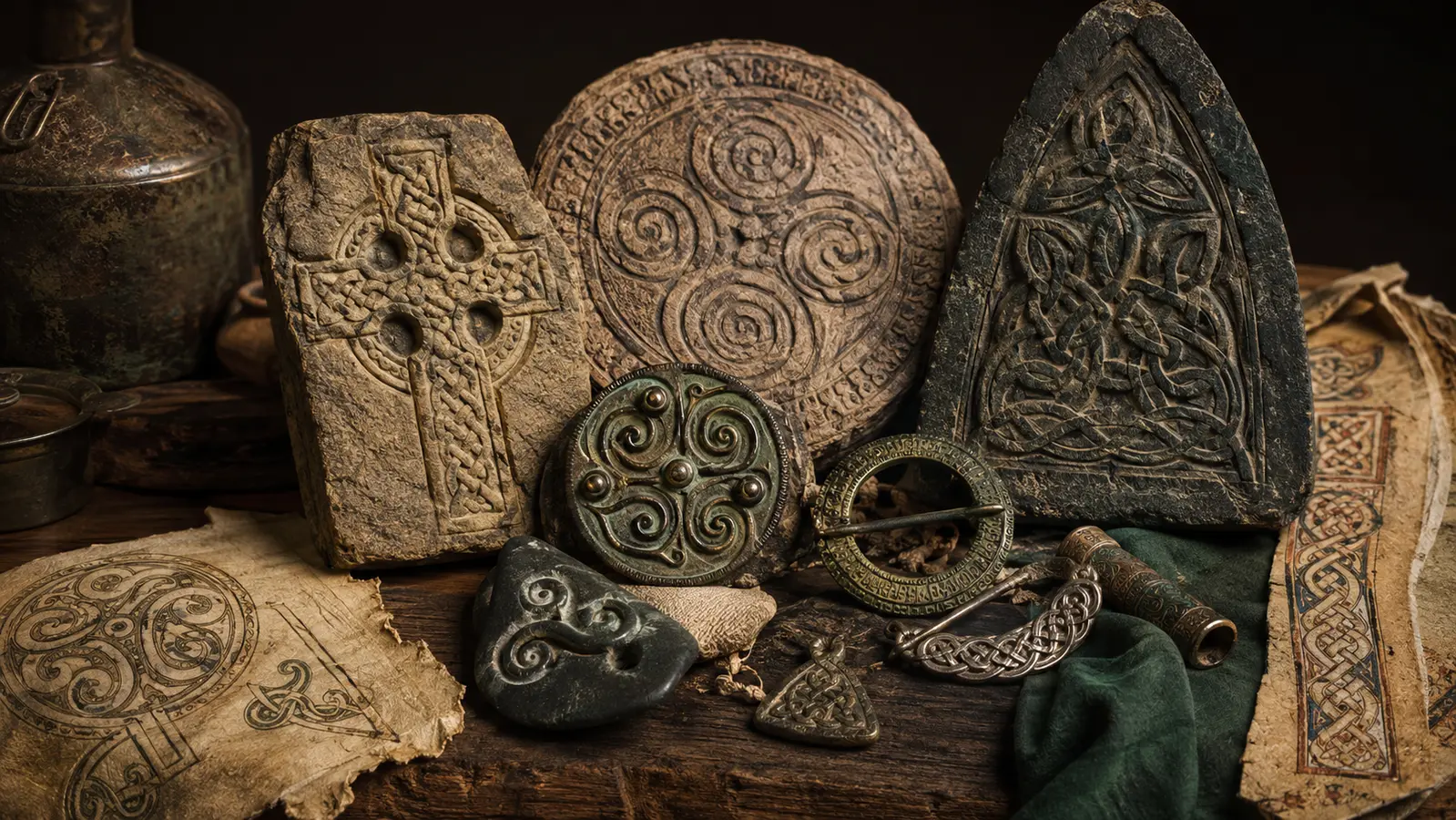
The Saltire Flag: History, Meaning & Scottish Identity
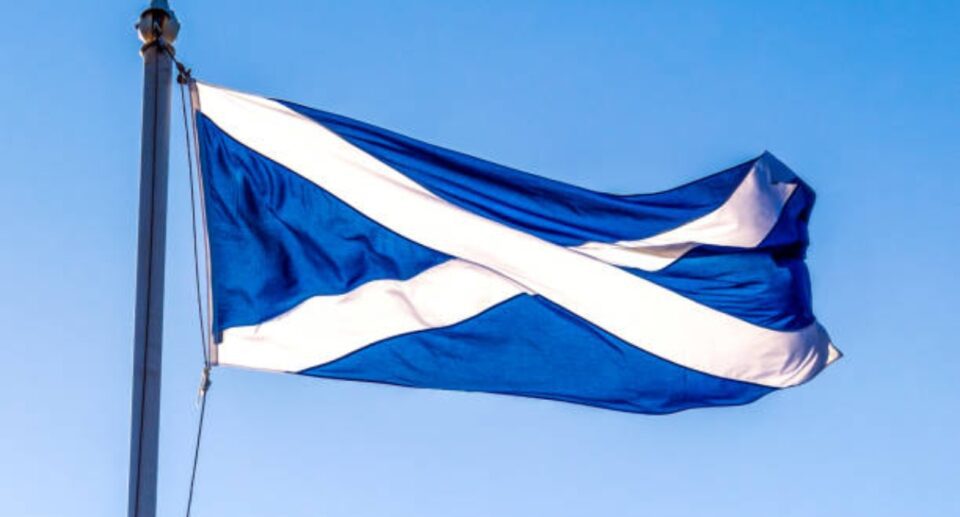
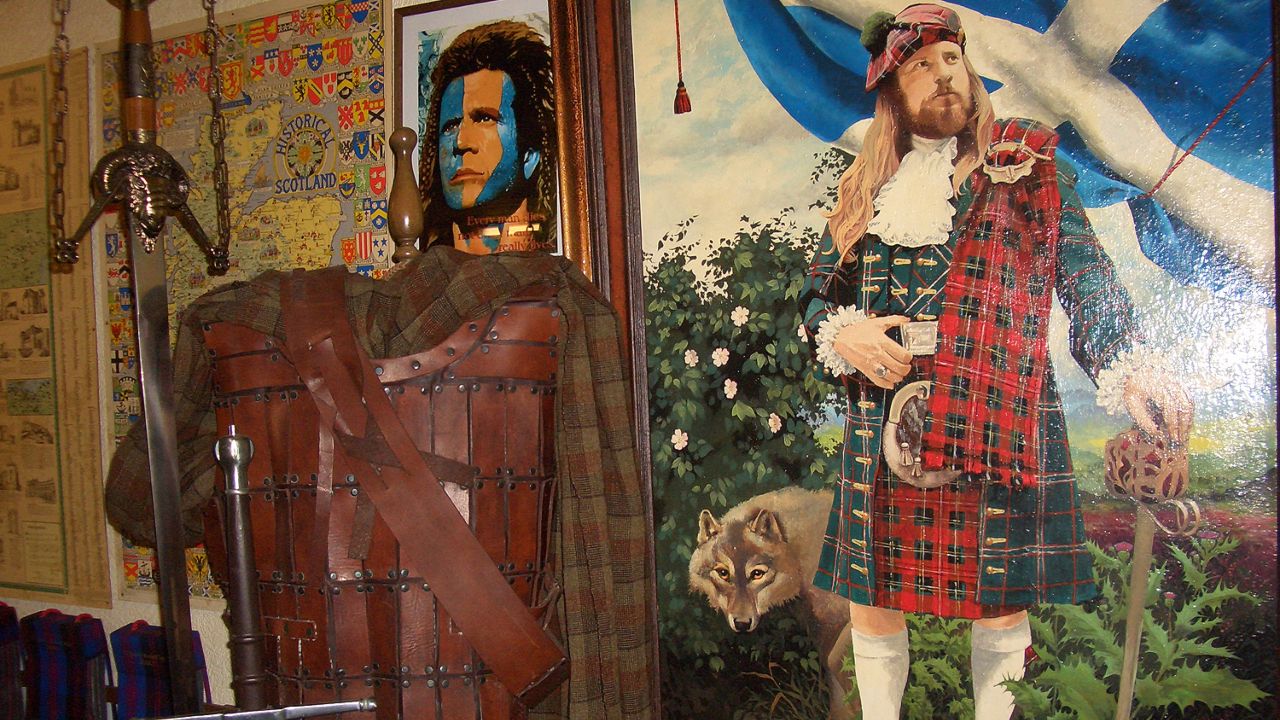
The Saltire, or St. Andrew’s Cross, stands as one of the oldest national flags in Europe. Its simple white diagonal cross on a sky-blue field tells a story of faith, bravery, and national pride. As someone who studies Scottish heritage and Celtic symbolism, I find that the Saltire mirrors the resilience of the Scottish people. It carries echoes of ancient battles, legends, and cultural transformation.
If you enjoy exploring Celtic identity and heritage, you may also like our articles on What Is Tartan? and How Many Scottish Clans Are There? for deeper context.
The Origin of the Saltire: A Legend on the Battlefield
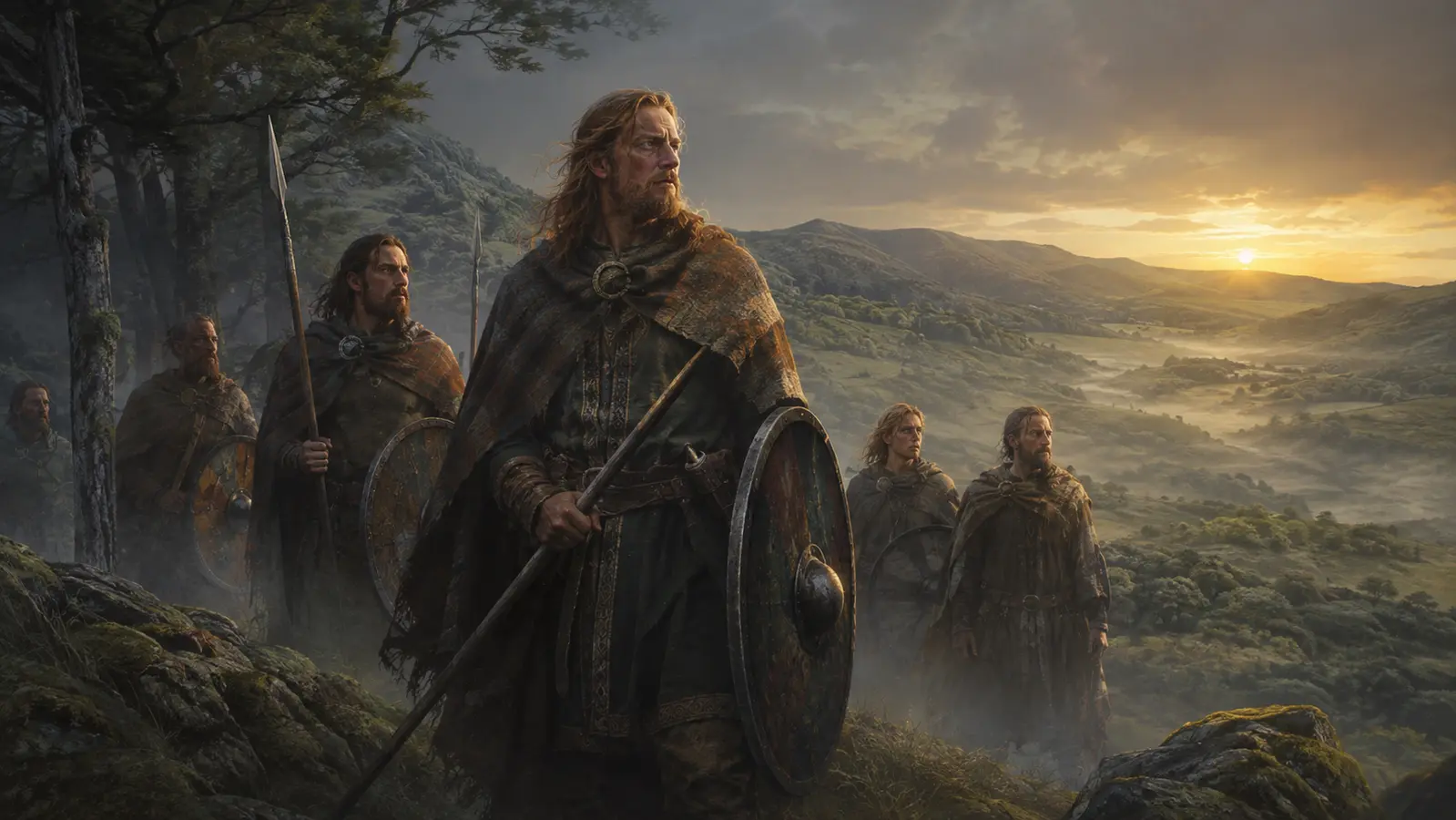
The story of the Saltire begins with a dramatic moment in 832 AD. According to tradition, King Óengus II (Angus) faced a large invading force near modern-day East Lothian. The night before battle, he prayed to Saint Andrew, Scotland’s patron saint. The next morning, a white X-shaped cross formed in the cloudy sky. The symbol matched the manner in which Saint Andrew was martyred.
Inspired by the sign, Angus won the battle. The people of Scotland then adopted the cross as their national emblem. This blend of faith, folklore, and historical imagination is very similar to the symbolic traditions seen in Celtic Stone Carvings and ancient myth cycles like the Celtic Sun God Lugh.

The Meaning Behind the Colors
Every element of the Saltire carries meaning:
1. The White Cross
The X-shape represents the crucifixion of Saint Andrew. He asked to be martyred on a diagonal cross because he felt unworthy of dying in the same way as Christ. This symbol became a mark of humility and protection.
2. The Blue Background
The sky-blue field reflects Scottish skies and the natural landscapes that surround the Highlands and Lowlands. Its earliest forms varied from navy to cerulean. Today, the official shade leans toward a bright, vibrant blue.
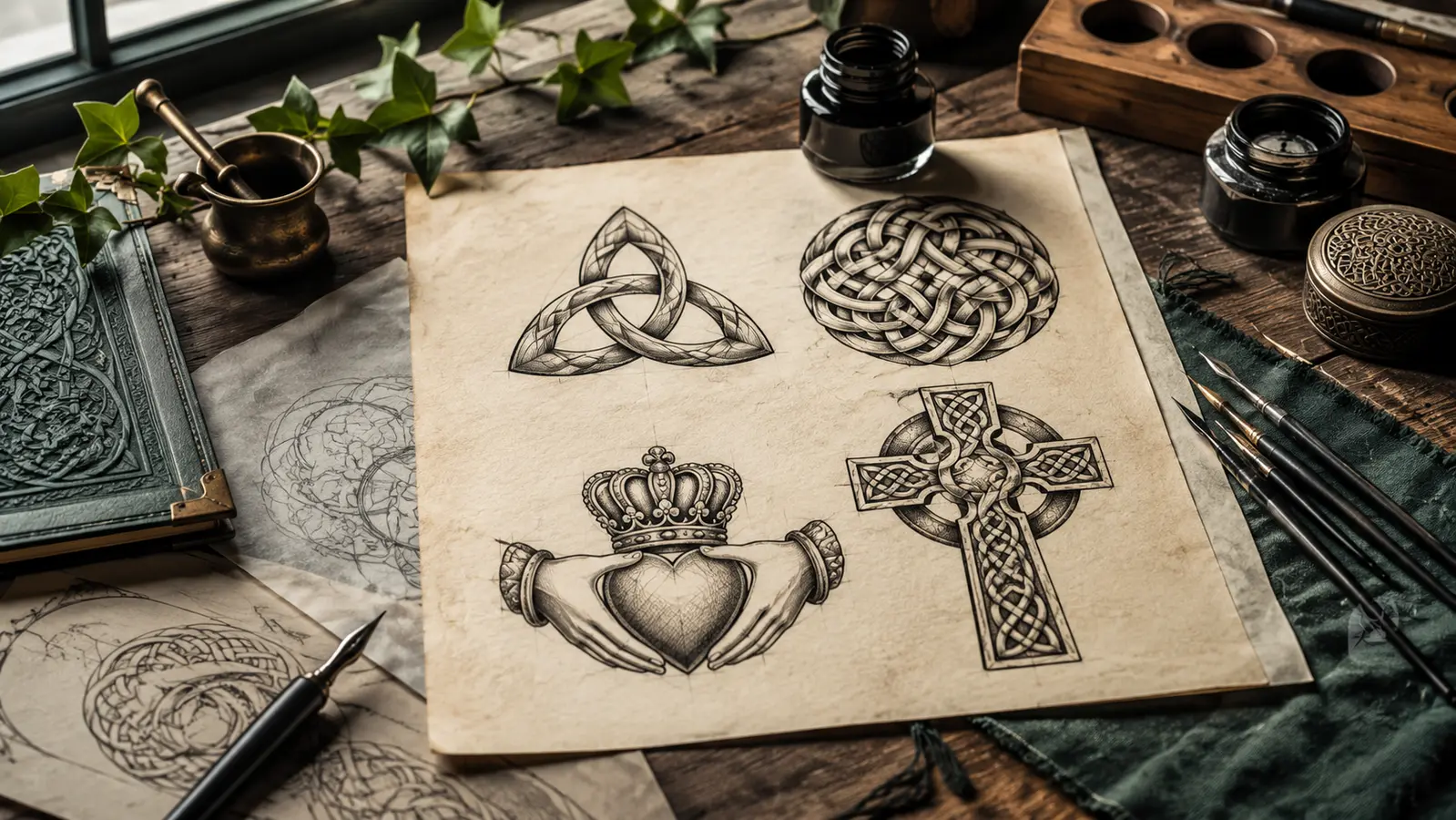
Symbols in Scotland often hold layers of meaning, similar to the Claddagh Ring’s symbolism or the narrative power explored in Why Irish People Are Natural Storytellers.

How the Saltire Became Scotland’s National Flag
By the 12th century, churches dedicated to Saint Andrew appeared across Scotland. His symbol grew in popularity. When Scotland formed armies, the Saltire marched forward on banners. By the 16th century, it was widely recognized as Scotland’s national flag.
The Saltire also influenced the Union Flag after the 1707 Acts of Union. Its white cross forms the underlying framework of the modern Union Jack.
The transformation reflects the same cultural evolution seen in fashion pieces like Scottish Tartan Shawls and accessories such as the Tam O’Shanter Hat.
Where You See the Saltire Today
The Saltire appears across Scotland in both everyday and ceremonial contexts. You see it:
- At government buildings
- During sports events and Highland gatherings
- In local celebrations
- On kilts, sashes, and modern clothing
- Across castles, museums, and historical sites
It also appears on many cultural products, similar to how tartan patterns featured in How Long Has the Tartan Print Been Around? carry historical identity.
The Saltire in Cultural Life
The Saltire unites Scots at home and abroad. It symbolizes courage, independence, and heritage. For many, the flag is not just political—it expresses identity, memories, and family roots.
This emotional connection mirrors the deep cultural attachment found in music traditions such as Fiddle Music and the spiritual significance of sites like the Irish Holy Wells.
The Saltire vs. Other Celtic Symbols
Celtic culture loves symbols. The Saltire stands alongside meanings found in:
- The Celtic oak tree
- Ancient bell traditions
- Folklore creatures like selkies
- Mythical landscapes such as the Fairy Glen
You can explore these in our folklore category, starting with guides like Selkies in Folklore or the enchanting Legend of the Fairy Glen.
Conclusion: A Flag That Carries Scotland’s Soul
The Saltire is more than a national emblem. It connects Scotland’s past to its present. It blends legend, devotion, and identity into a symbol that speaks to millions. Whether it appears on a flagpole or stitched into tartan-woven cloth, it reflects Scotland’s story.
To continue exploring Celtic history and culture, visit our full collection on the CeltGuide Blog.