


The Celtic Wild Hunt: Spirits of the Storm

On stormy nights across the misty moors of Scotland, people once spoke of a furious wind that carried more than rain and thunder. They believed it held the sound of riders—spectral hunters sweeping through the clouds, their hounds howling through the dark. This was the Celtic Wild Hunt, a supernatural procession that blurred the line between the mortal realm and the mysterious Otherworld.
The Legend of the Wild Hunt
In Celtic mythology, the Wild Hunt was no ordinary storm. It was a phantom chase led by gods, heroes, or the restless dead, racing through the night sky. Those who saw it might vanish forever, drawn into the Otherworld or cursed to join the spectral riders for eternity.
Across Celtic lands, tales varied. In Ireland, some spoke of the fae host, known as Sluagh na marbh, the host of the dead. These spirits flew from the west, snatching wandering souls. In Wales, the hunt was led by Arawn, the Lord of Annwn, whose hounds were white with red ears—omens of death and fate.
If the name Annwn sounds familiar, explore its mysteries in What Is Annwn?, a deep dive into the Celtic underworld.

A Portal Between Worlds
The Celts believed that the Wild Hunt appeared when the veil between worlds grew thin especially during Samhain, the ancient festival marking the dark half of the year. During these nights, spirits wandered freely, and mortals were wise to stay indoors.
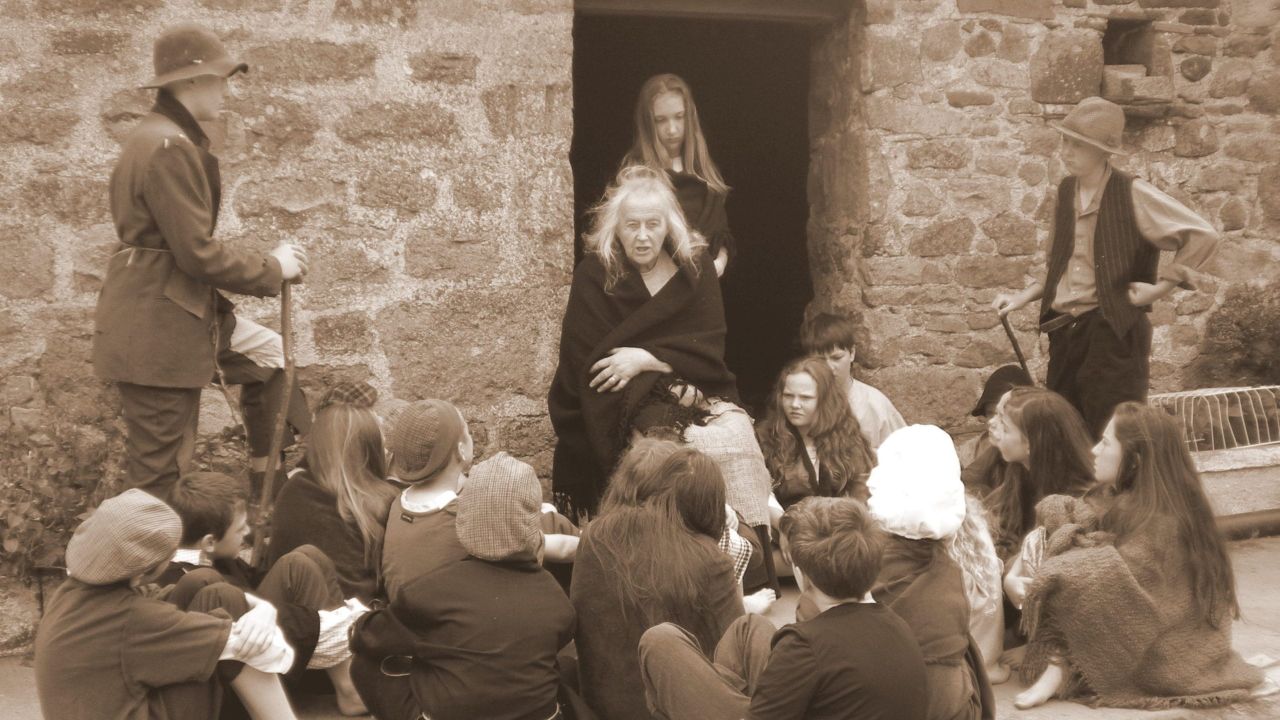
Much like the Irish storytellers who passed these tales by the fireside (read more here), these legends weren’t just superstition, they carried warnings, lessons, and echoes of the old gods.
The Hunt, in many ways, symbolized nature’s power—wild, untamed, and beyond human control. To hear it was to be reminded that mortals lived under the watchful eye of unseen forces.
Who Led the Celtic Wild Hunt?
The leader of the Wild Hunt changed with each land and tale. In Wales, Arawn or Gwyn ap Nudd, both lords of the underworld, commanded the hounds of the night. In Ireland, it could be the Morrígan, goddess of battle and fate, riding ahead of a spectral army. Same in the Highlands, whispers named Ossian or even King Arthur himself.
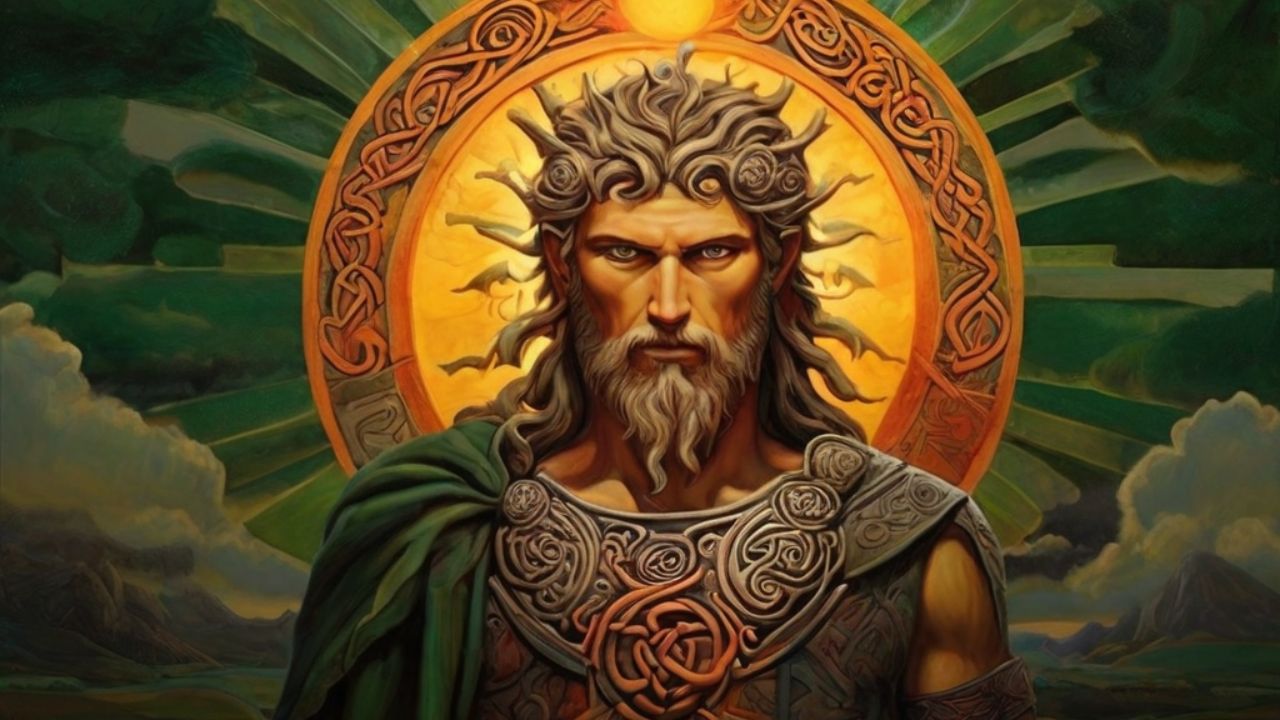
Some say the hunt was not a curse but a cosmic balance, a cleansing force that swept through the mortal world, gathering lost souls. This theme resonates with other Celtic myths, such as the legend of Lugh, the sun god, whose story you can explore in Celtic Sun God Lugh.

Echoes in Modern Myth and Memory
Even today, travelers claim to hear hoofbeats in the mist near the Scottish glens or see strange lights over the Irish hills. Whether one believes or not, the legend of the Wild Hunt still speaks to something deep in the Celtic soul—the tension between life and death, chaos and renewal.
Its echoes linger in literature, music, and even film. Like the Celtic stone carvings that preserve ancient stories in stone (discover them here). The Wild Hunt remains carved in the cultural memory of the Celtic world.
The Meaning Behind the Chase
At its heart, the Celtic Wild Hunt is not a tale of terror but transformation. It reflects the eternal cycle of life, death, and rebirth, themes central to Celtic belief. When thunder rolled and winds howled. It wasn’t merely a storm, it was a reminder that the spirits of the past still ride among us, unseen but ever-present.
For those who cherish Celtic mythology, the Wild Hunt is a perfect symbol of mystery, reverence, and connection to the natural world.A legacy that endures through every whispered story and every night the wind begins to howl.
Conclusion: When the Riders Pass By
So next time you hear the distant roar of a storm sweeping across the Highlands, listen closely. It might be nothing but the wind or it might be the Wild Hunt returning once more, galloping through time and myth, forever chasing what mortals cannot see.