The Banshee in Irish and Celtic Lore
The Banshee stands among the most haunting and fascinating figures in Irish folklore. Known for her eerie wail, she is often seen as a messenger, signaling that a family member will soon die. While her reputation may seem dark, the Banshee also represents the deep connection between the living and the spiritual world in Celtic culture.
Origins of the Banshee
The word “Banshee” comes from the Irish bean sí, meaning “woman of the fairy mound.” These fairy mounds, or sí, were sacred places where spirits were believed to dwell.
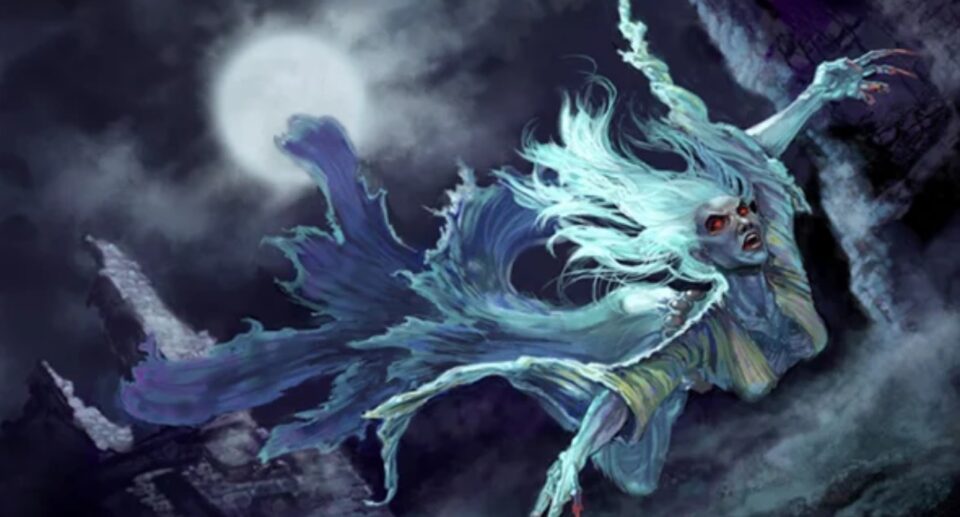
Stories of the Banshee have been passed down for centuries, blending pre-Christian Celtic beliefs with later Irish myths. Early references describe her as a tall, otherworldly woman with long flowing hair, often dressed in white or grey.

The Banshee’s Role in Irish Families
In folklore, the Banshee is deeply connected to specific families. She appears only to certain bloodlines, particularly those of old Irish clans. Her mournful wail is a warning, giving families time to prepare for the death of a loved one.
Interestingly, the Banshee’s warning is not meant to terrify. It reflects the Irish belief in spiritual messages and the importance of respecting the unseen world.
Physical Appearance and Variations
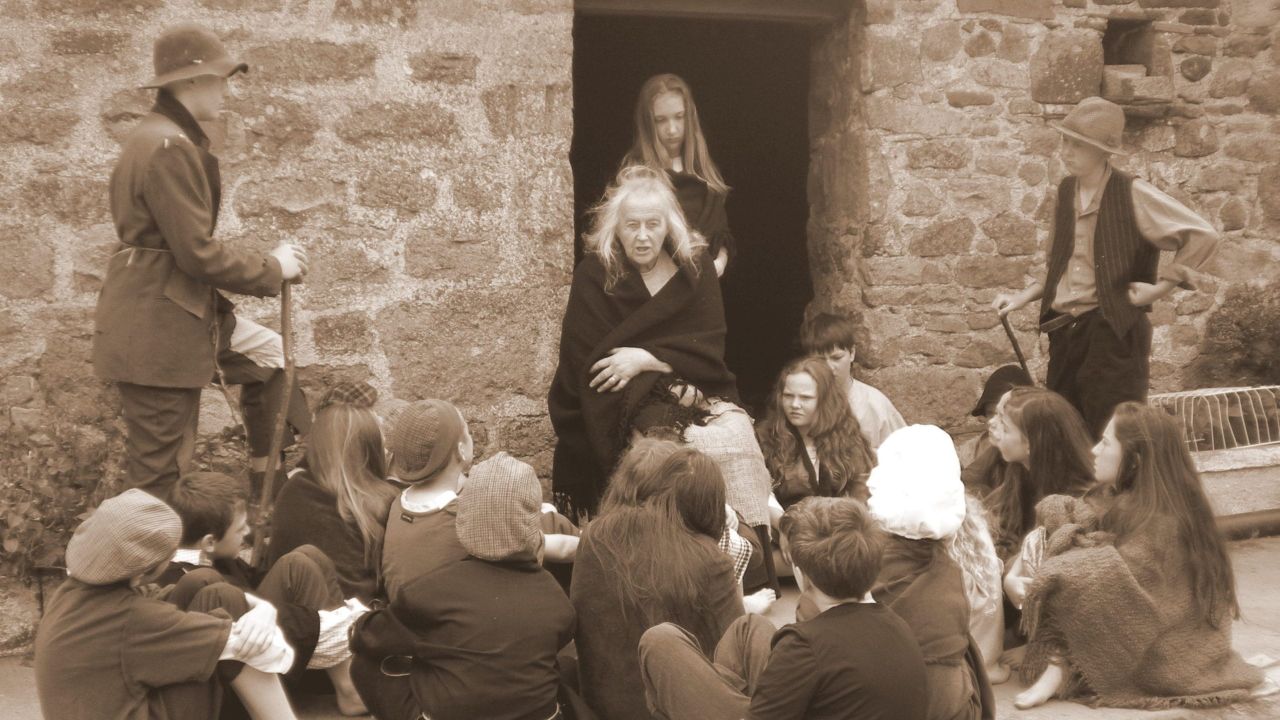
Legends describe the Banshee in many forms. Sometimes she appears as an elderly woman with a sorrowful face. Other times, she is a beautiful young maiden, ethereal and ghostlike. Some stories even describe her as a small, impish figure, highlighting the diverse ways the Irish imagined spirits.
Across different regions, the Banshee may wear traditional Irish dress or appear in simple, flowing garments. Her hair is often emphasized—wild, long, and white, symbolizing her connection to the supernatural.

The Banshee in Irish Literature and Oral Tradition
The Banshee appears frequently in Irish poetry, ballads, and folklore collections. Storytellers used her figure to teach lessons about mortality, respect, and family heritage. She also inspired fear and reverence, reminding listeners of the thin line between the living and spirit worlds.
The oral tradition played a key role in keeping these stories alive. Families shared tales of encounters with the Banshee during gatherings, festivals, and winter nights by the hearth.
Banshee and Celtic Mythology
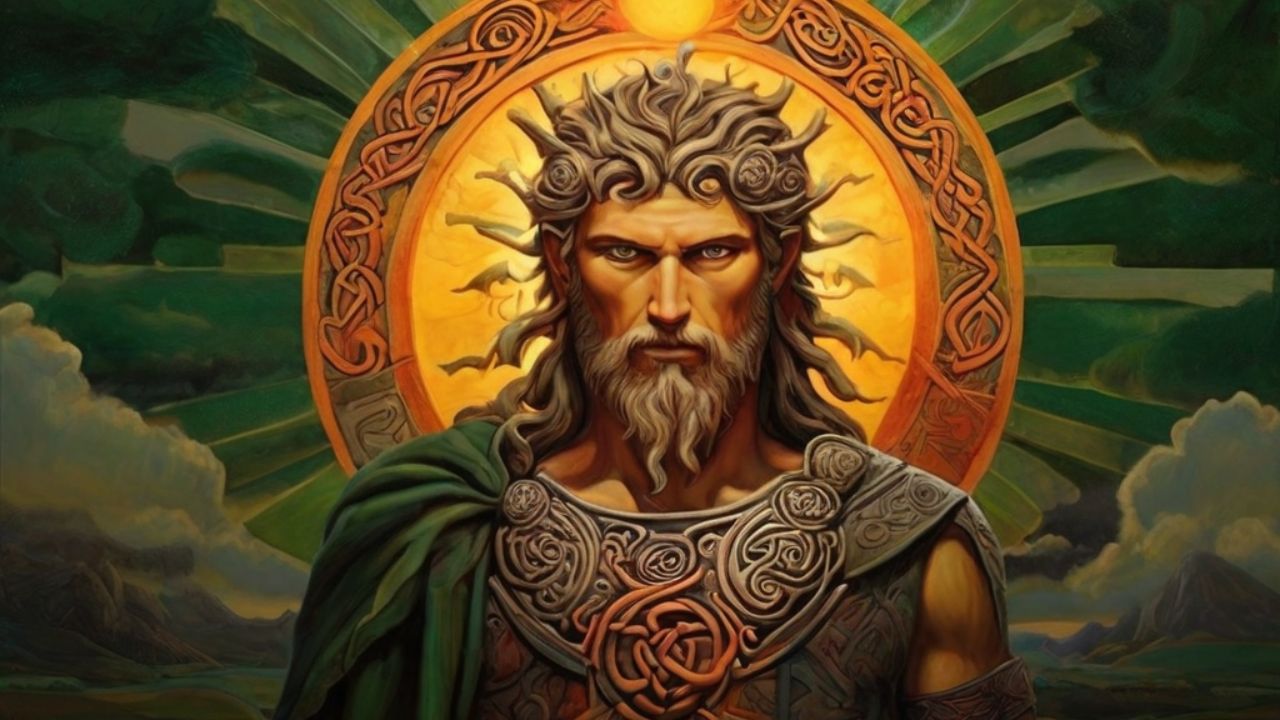
The Banshee is part of a larger Celtic mythological framework. She shares traits with other spirits, like selkies and fairy women, that bridge the human and supernatural realms. The Celtic emphasis on spirits, mounds, and natural landscapes shaped how these stories developed.
The Banshee represents both warning and respect. It reminds communities that death is a natural part of life, and that ancestors and spirits remain close to the living.
Learn more about Celtic mythological spirits here.
Modern Interpretations
Today, the Banshee continues to inspire literature, art, and films. She has moved from oral tales to novels, television, and movies, capturing imaginations worldwide. Modern storytellers explore her as a symbol of feminine power, mystery, and connection to ancestry.
In festivals and Irish cultural events, the Banshee sometimes appears in performances or artwork, reminding people of Ireland’s rich mythological heritage.
Conclusion
The Banshee remains a timeless figure in Irish and Celtic lore. Her wail, mysterious presence, and deep ties to families remind us of Ireland’s fascination with the supernatural. Beyond fear, she embodies respect for ancestors, the inevitability of death, and the enduring power of storytelling.
For those interested in exploring more Irish and Celtic traditions, discover Celtic stone carvings or learn about the Clarsach, the Celtic harp for a deeper journey into Ireland’s cultural past.