


The Arisaid: Scotland’s Historic Women’s Plaid
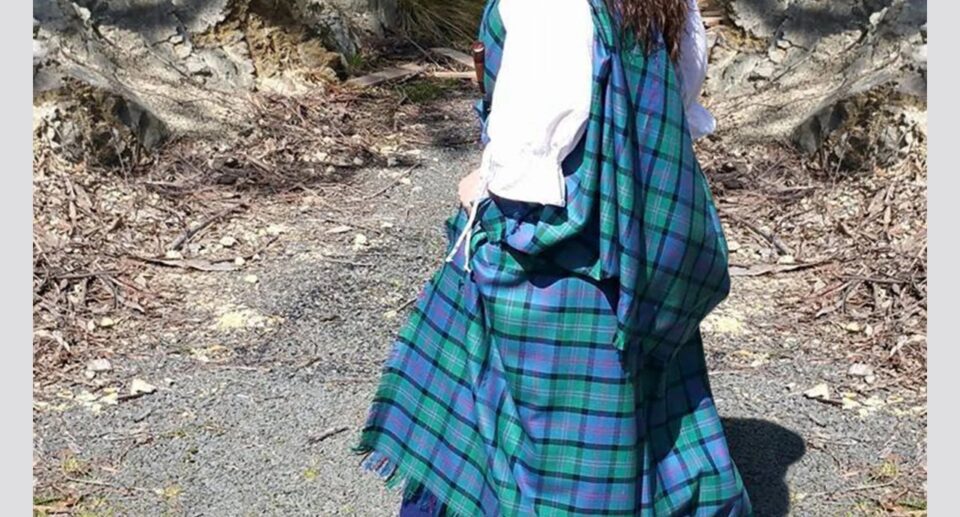
Scottish clothing tells stories. Some appear bold, like the Highland kilt, while others feel quieter but even more meaningful. The Arisaid, often overlooked in modern conversations, belongs to this second category. It was the elegant women’s plaid of Scotland; functional, beautiful, and deeply woven into everyday Highland life.
Before we explore its fabric and symbolism, it helps to understand the broader world of Scottish dress. You can look at how tartans evolved over time in our guide on What Is Tartan? and How Long Has the Tartan Prints Been Around? for context.
What Exactly Was the Arisaid?
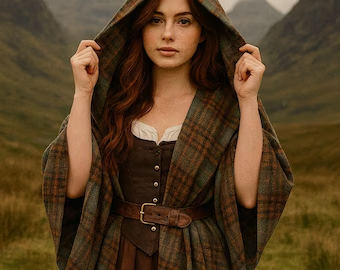
The Arisaid (pronounced ar-ee-sheed) served as a long, flowing plaid worn by Highland women. It often draped from shoulder to ankle and wrapped the wearer in warmth during harsh weather. Many accounts describe it in white or soft natural tones, with simple or bright borders depending on region and status.
Women styled the Arisaid in different ways. It could fasten at the chest with a brooch, rise over the head like a hood, or fall freely like a shawl. This flexibility made it ideal for daily work, travel, and even ceremonial gatherings.
Origins of the Arisaid in Highland Culture
Historians believe the Arisaid developed alongside male Highland dress. While men wore the belted plaid, women adapted a similar idea into something lighter and more graceful. Its design hints at the climate, the practicality of wool, and the artistic traditions of Scottish weaving.
When we consider the role of textiles in Celtic identity, the Arisaid fits naturally into a long heritage of meaningful craftwork. You can explore similar traditions in our piece on Celtic Stone Carvings, where symbolism also shaped daily life.
How Women Wore the Arisaid
Highland women used the Arisaid as both garment and shield against the elements. The style varied, but these patterns appeared often:
- Draped and gathered at the chest
- Fastened with a large brooch
- Worn long and loose along the back
- Pulled over the head during rain or wind
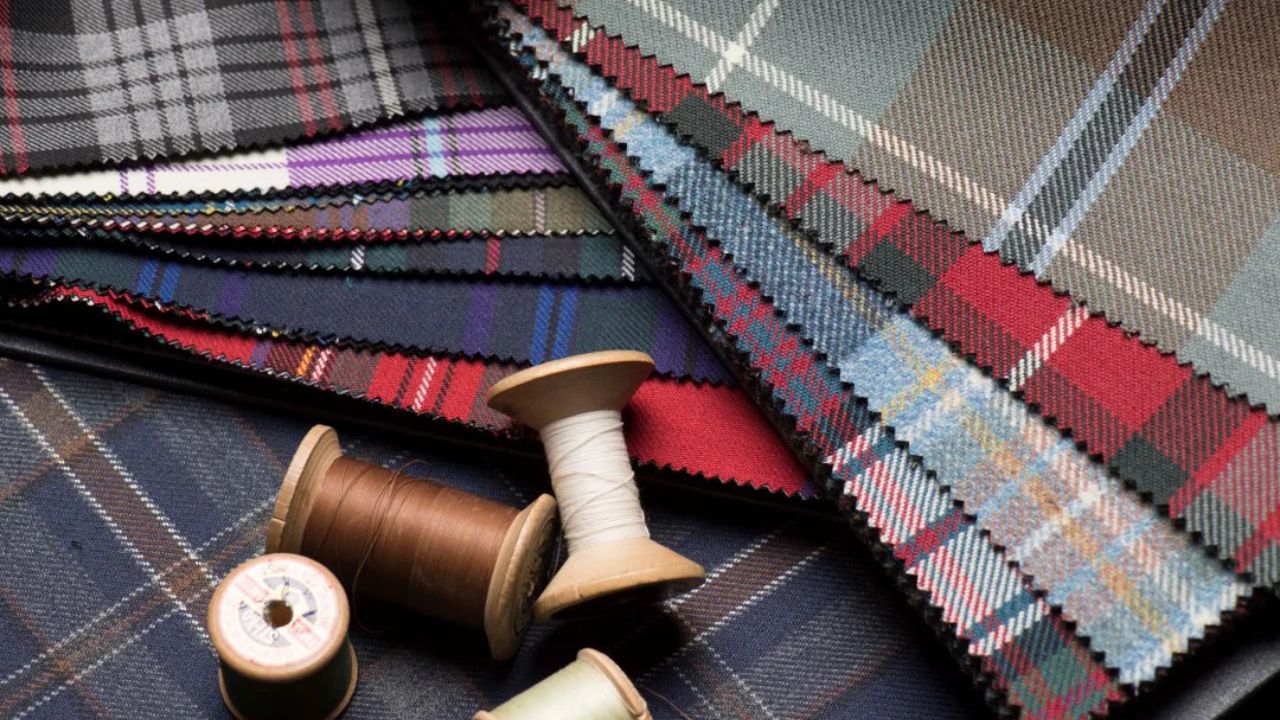
Some regional designs included bright checks or border stripes that echoed early tartan styles. This makes the Arisaid an interesting ancestor to the patterns we now associate with Highland fashion.
For connections to other garments still used today, explore the Scottish Tartan Shawls guide on CeltGuide.
The Arisaid’s Social and Cultural Meaning
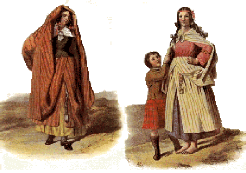
The Arisaid symbolised dignity, modesty, and belonging within the Highland community. Much like men’s clan tartans, women expressed their identity through colour choices, woven patterns, and accessories. These details reflected local traditions rather than strict clan systems.
In some folklore, the Arisaid even appears in descriptions of women who guided travellers, tended herds, or played roles in community rituals. Its presence highlights how clothing shaped the rhythm of daily life.
To explore more cultural elements, you may enjoy our articles on How Many Scottish Clans Exist? and Is Loch Lomond in the Highlands? for broader Highland context.
Is the Arisaid Still Worn Today?
You rarely see the Arisaid in modern dress, yet its influence survives. Contemporary bespoke Highland fashion often borrows shapes or textures from it. Some designers recreate the flowing drape in bridal wear or ceremonial shawls.
Its connection to tartan also lives on. Anyone curious about tartan styling today can look at How to Wear a Tartan Sash for a modern descendant of the Arisaid’s graceful wrap.
Why the Arisaid Still Matters
The Arisaid reflects the heart of Highland life: resourceful, expressive, and deeply connected to landscape and community. It shows how women shaped Scottish identity just as much as warriors, bards, and clan leaders.
When we study garments like the Arisaid, we don’t just learn about clothing. We learn how people lived, how they told stories through fabric, and how cultural memory passes through generations. For more Celtic storytelling traditions, explore Why Are Irish People Natural Storytellers? on CeltGuide.
Continue Exploring Celtic Heritage
If you want to dive further into Scottish and Irish dress, culture, and folklore, browse our full archive on the CeltGuide Blog.