The Bogles of Scottish Mythology: Mischief, Shadows, and Storytelling

Bogles lurk at the edges of Scottish imagination. They wander through legends, haunt lonely roads, and slip into the quiet corners of old stone houses. When I studied Scottish folklore at the University of Edinburgh, I noticed how often people used bogles as symbols—sometimes to warn, sometimes to entertain, and sometimes simply to explain the unexplainable. Their presence shaped Scottish storytelling for centuries, and they continue to fascinate readers today.
This guide introduces you to bogles, their nature, and why they remain important in Scottish cultural memory.
What Exactly Is a Bogle?
A bogle is a troublesome spirit in Scottish folklore. People believed bogles caused small annoyances, strange noises, or unsettling disturbances. While they rarely caused serious harm, they made life unpredictable. These spirits represent the Scottish fear of the unknown and the natural instinct to explain mysterious events.
These beliefs fit well within the Celtic storytelling tradition. If you enjoy the roots of narrative culture, you might also explore Why Are Irish People Natural Storytellers?, which connects closely to the creation of supernatural tales like those of the bogles.
Where Do Bogles Appear in Scotland?
Bogles appear everywhere, from the Borders to the Highlands. Many stories place them near:
- Old bridges
- Abandoned cottages
- Marshy landscapes
- Narrow lanes and crossroads
Each location adds tension. In rural communities, people used bogle stories as warnings for children or travellers. These tales encouraged caution and respect for the landscape. For more insight into how natural locations shape folklore, the tales of the Fairy Glen or the mystical Selkies offer beautiful parallels.

Different Types of Bogles
Scottish mythology describes several kinds of bogles. Each carries unique traits and prefers specific settings.
1. The House Bogle
These spirits hide in homes. They move objects or create soft knocks at night. Families saw them as unpredictable, yet not entirely evil. They served as reminders to keep order in the home.
2. The Water Bogle
This bogle lurks near rivers or bogs. It causes fear by appearing suddenly or creating eerie sounds. Stories often warned travellers who crossed marshy areas after sunset.
3. The Trickster Bogle
This version enjoys causing mischief. It scares horses, confuses wanderers, or mimics familiar voices. These stories reflect everyday concerns of rural life.
If you enjoy dangerous creatures in Scottish legend, the terrifying Linton Worm offers another side of Scottish supernatural tradition, one far darker than the playful bogle.
Why Do Bogles Matter in Scottish Folklore?
Bogles represent the tension between fear and curiosity. They gave people ways to explain strange events before science provided answers. They also encouraged respect for Scotland’s rugged environment. A bogle story reminded listeners to avoid cliffs, rivers, and dark woods.
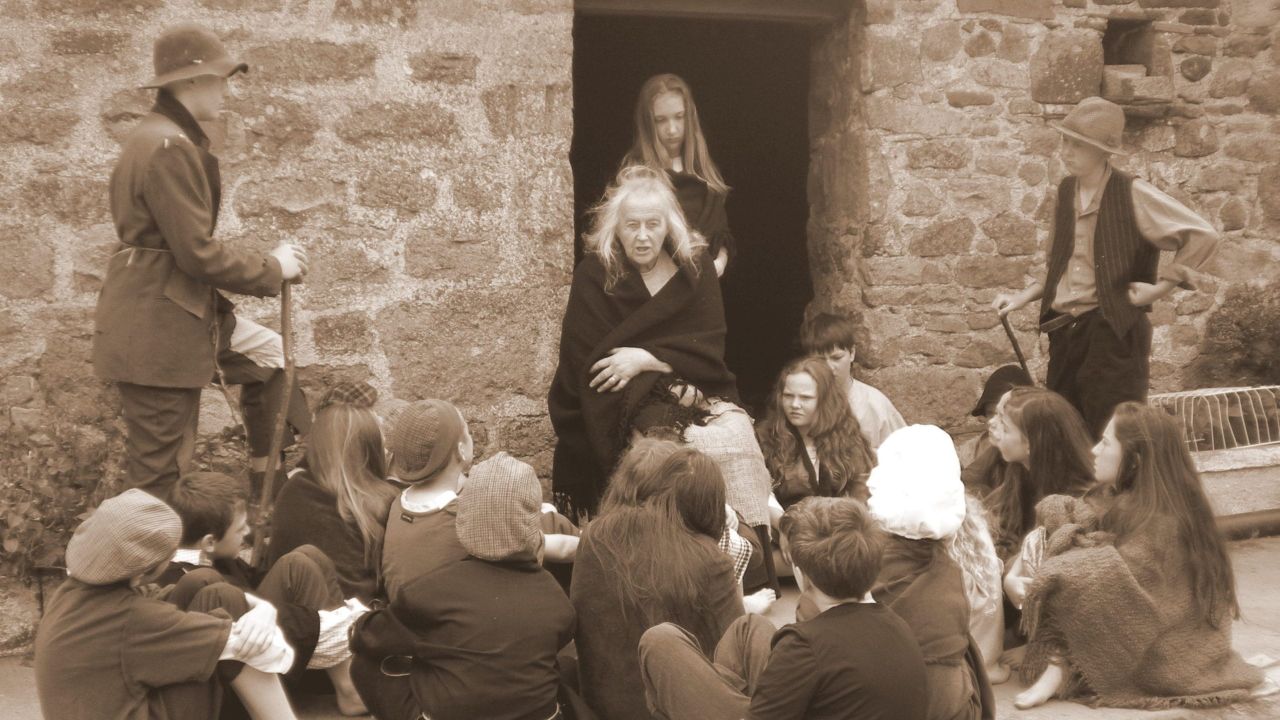
Bogles also shaped storytelling traditions. Their unpredictable nature made them ideal characters for winter tales, family gatherings, or late-night fireside narratives. This storytelling culture appears across Celtic regions. You can see a similar influence in Irish legend, such as the tales surrounding the Cauldron of Dagda or the ethereal realm of Annwn.

Bogles in Modern Imagination
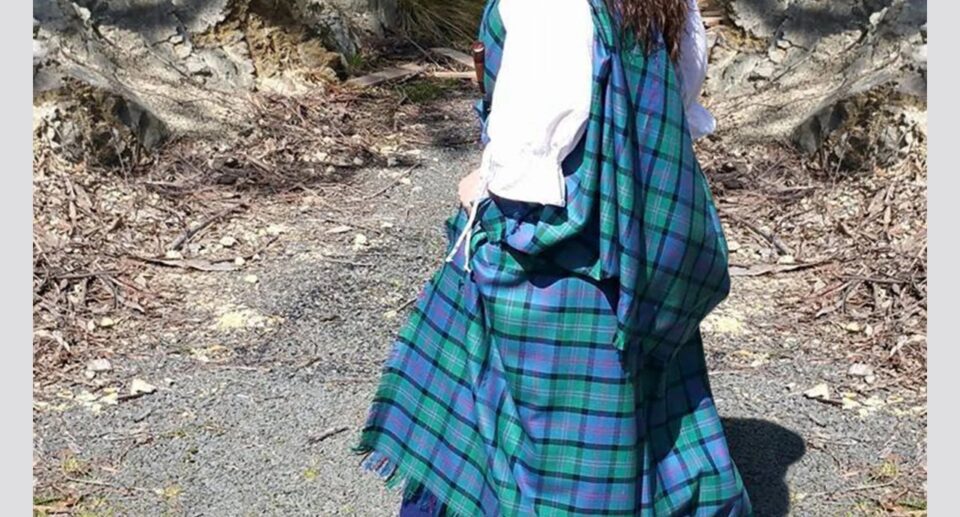
Even today, bogles appear in Scottish books, children’s stories, and ghost tours. Modern writers often reshape them as humorous or mysterious figures rather than frightening ones. This shift mirrors how Scotland preserves heritage through evolving cultural forms, much like the continued use of Scottish tartan shawls to honour tradition.
Some travellers even visit locations associated with bogle legends. These journeys add charm to the Scottish landscape, similar to the cultural travel stories found in the Isle of Mull guide.
The Bogle’s Lasting Legacy
Bogles remind us how folklore weaves into daily life. These spirits shaped behaviour, preserved local wisdom, and strengthened community bonds. Their stories reflect Scotland’s deep respect for nature and its love for imaginative storytelling.
If you want to explore more Celtic myths, historical tales, and cultural traditions, browse the full library at the CeltGuide Blog.