
Stone of Destiny: Symbol of Scottish Coronation
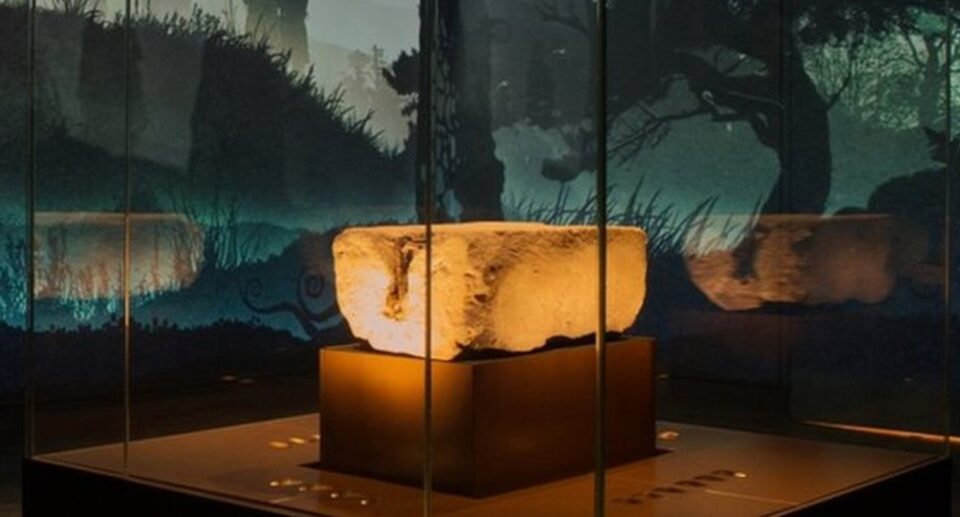
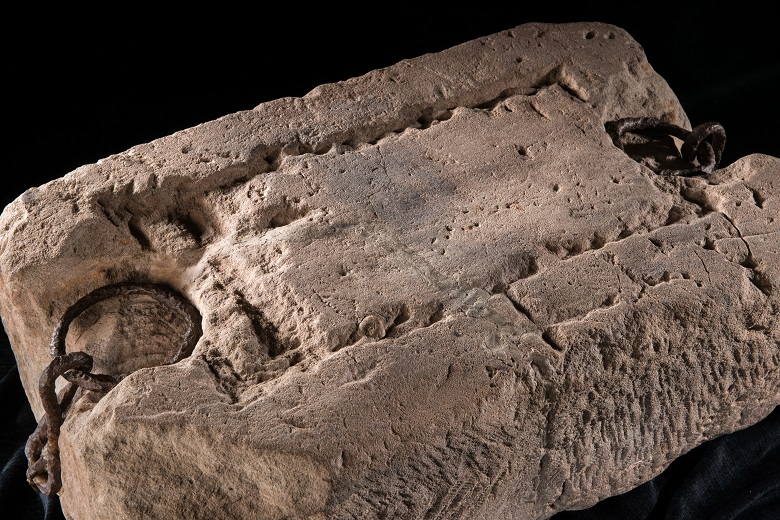
Few objects in Scottish history inspire as much fascination as the Stone of Destiny. When you stand before it, you sense both legend and scholarship at once. This single block of sandstone shaped how Scotland understood sovereignty. It also shaped how kings and later, British monarchs, claimed legitimacy. And unlike some relics, the Stone still invites debate, curiosity, and patriotic feeling.
What Exactly Is the Stone of Destiny?
Historians often describe it as the coronation stone of Scottish kings. Tradition tells us that rulers sat upon it during their inauguration at Scone. That ritual mattered. A king didn’t only receive power, he accepted responsibility before his people and his land.
The Stone may not look grand, yet it symbolized continuity. Generations recognized it as the center of lawful rule.
For readers interested in how symbolism works elsewhere in Celtic culture, the story of carved stones offers a powerful parallel:
https://celtguide.com/celtic-stone-carvings/
From Scotland to England and Back Again
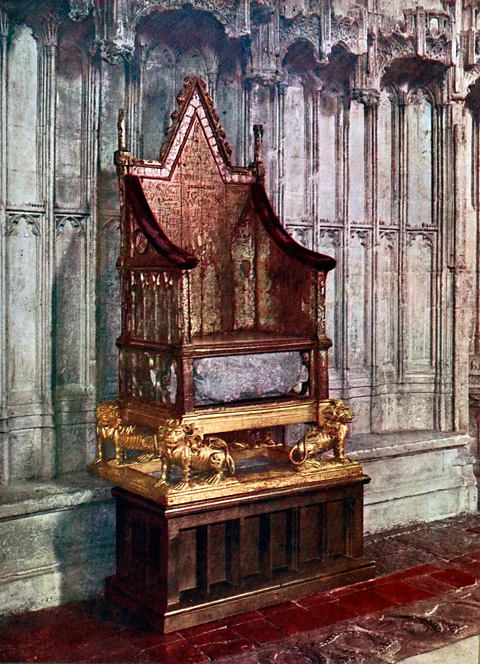
In 1296, Edward I removed the Stone and took it to Westminster. He placed it beneath the English coronation chair. The message seemed clear: England claimed dominance. Yet the Stone never lost its Scottish identity. It became a quiet symbol of resistance and longing.
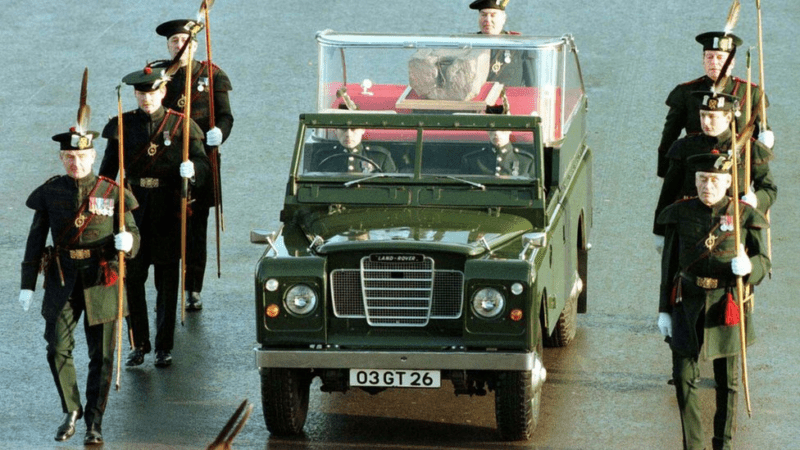
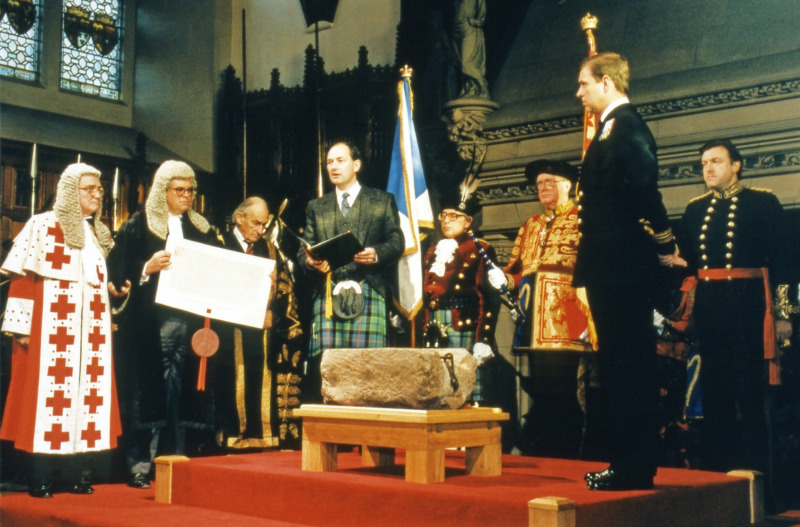
In 1996, after centuries of debate and political negotiation, the Stone returned to Scotland.
It now rests, proudly within Scottish heritage care, while still traveling for coronations when required.
Stories like this echo across Celtic history, where objects often hold deep emotional memory.
Think of how tartan patterns reflect family, place, and loyalty:
https://celtguide.com/what-is-tartan/
Legend, Faith, and Folklore Around the Stone
Scholars analyze the Stone scientifically but folklore tells richer tales. Some legends link it to biblical lands.
Others claim Jacob’s Pillow Stone became the very seat of Scottish kings. Whether we accept those myths or not, they show something vital: people look for meaning where history touches identity.
Across Celtic tradition, sacred objects often connect humans with the divine as we see with mythic treasures like the Cauldron of Dagda:
https://celtguide.com/cauldron-of-dagda/
The Stone of Destiny sits in that same symbolic conversation.
Coronation Rituals and the Weight of Ceremony
Coronations do not happen casually. They draw together legal authority, sacred blessing, and public witness. When Scottish rulers sat over the Stone, they joined a chain that stretched back centuries.
The act said: You rule with the land, not over it.
This mirrors themes found across Celtic leadership traditions where rulers required legitimacy from community and story, not just bloodline.
To understand the cultural importance of community storytelling, explore:
https://celtguide.com/why-are-irish-people-natural-storytellers/
The Stone in Modern Scotland
Today, the Stone of Destiny attracts visitors, scholars, and school groups.
It inspires questions:
- What gives a symbol its authority?
- Who controls history?
- How does heritage shape identity today?
Modern Scotland treats the Stone as both artifact and living emblem. It belongs not to kings alone but to the story of the nation.
If you want to keep exploring Scotland’s cultural landscape, you’ll love browsing our wider blog library:
https://celtguide.com/blog/
Final Reflections
The Stone of Destiny stands at the crossroads of myth and history. It witnessed ambition, conquest, loss, and return. Most importantly, it reminds us that sovereignty is never just political, it is emotional, cultural, and deeply human. And that is why the Stone continues to matter.