Shannon River Culture: Ireland’s Living Heritage

Walk beside the River Shannon and you feel something ancient moving with the water.
The river does not rush. It guides, and nourishes. It gathers lives together.
For thousands of years, communities have grown around its banks. Farmers, traders, monks, musicians, and storytellers shaped a culture that still breathes today. As someone who studies Celtic traditions, I see the Shannon not only as geography but as a living archive.
Let’s explore it together, gently, step by step.
Communities Built Around the River
Families settled near the Shannon because the river offered food, transport, and connection. Markets developed. Fishing became routine. Boats carried turf and livestock from town to town.
Life here feels grounded. People greet neighbors by first name. They share news, celebrate festivals, and hold each other in difficult times. That sense of community helped Ireland endure many historic crises, including periods discussed in our article on the influence of the Irish Potato Famine (internal link: https://celtguide.com/the-influence-of-the-irish-potato-famine/).
Storytelling That Travels Like Water
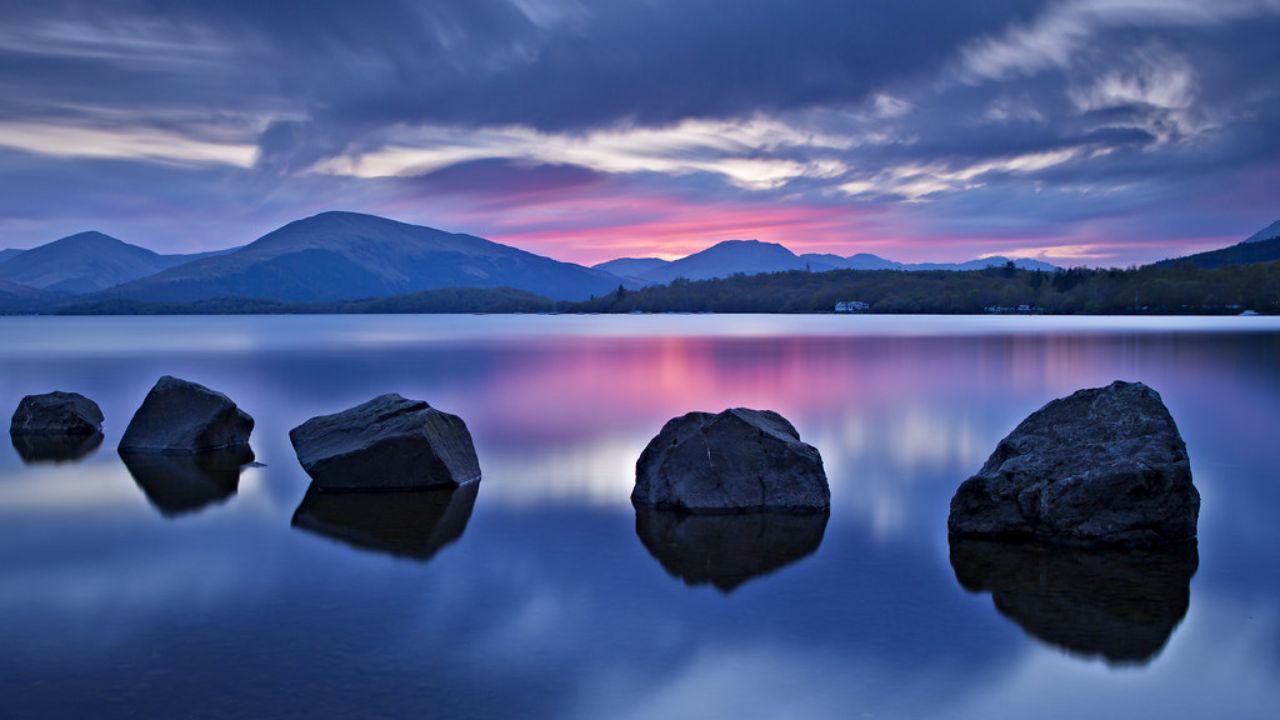
Sit near the Shannon at dusk and the world softens. This is where legends take shape.
Locals speak about spirits, saints, heroes, and mysterious creatures tied to the riverbanks.
Storytelling remains central to identity here. It explains the land, protects history, and brings families closer at firesides.
To understand why storytelling runs so deeply in Ireland, explore our feature:
Why Irish People Are Natural Storytellers
(https://celtguide.com/why-are-irish-people-natural-storytellers/)

Music That Echoes Across the Banks
Where there is the Shannon, there is music.
Fiddles laugh. The bodhrán offers its heartbeat. Harpers add soft, thoughtful tones like the ancient clarsach, which we explore in detail here:
https://celtguide.com/what-is-a-clarsach-a-comprehensive-guide-to-the-celtic-harp/
Music along the Shannon is not just performance. It is conversation, memory, and pride.
Our article on the bodhrán drum also reveals how rhythm links tradition with everyday life:
https://celtguide.com/the-bodhran-drum/.
Sacred Spaces Beside Quiet Water
Monasteries once flourished along the Shannon. Pilgrims still visit holy wells and ancient ruins nearby. People come to reflect, mourn, seek blessings, or simply find peace.
These sacred places form bridges between past and present.
You can learn more through our exploration of Irish holy wells:
https://celtguide.com/irish-holy-wells-portals-to-the-past-pathways-to-the-divine/.
Crafts, Symbols, and Everyday Pride
Culture thrives not only in legends but in craft.
By the Shannon, artisans carve stones, weave shawls, and create meaningful jewelry. Objects carry stories about loyalty, lineage, and love. A great example appears in the Claddagh ring, where every symbol matters:
https://celtguide.com/claddagh-ring-meaning-history-and-symbolism/
People here value work done with care, work meant to last across generations.

Traveling the Shannon Today
Visitors meet warm welcomes, quiet waters, and history at every bend. You can:
- cruise along the river
- walk through heritage towns
- kayak along gentle stretches
- or sit at a pub while musicians tune their instruments
Plan slowly. Listen carefully. Locals often share insights that never appear in travel guides.
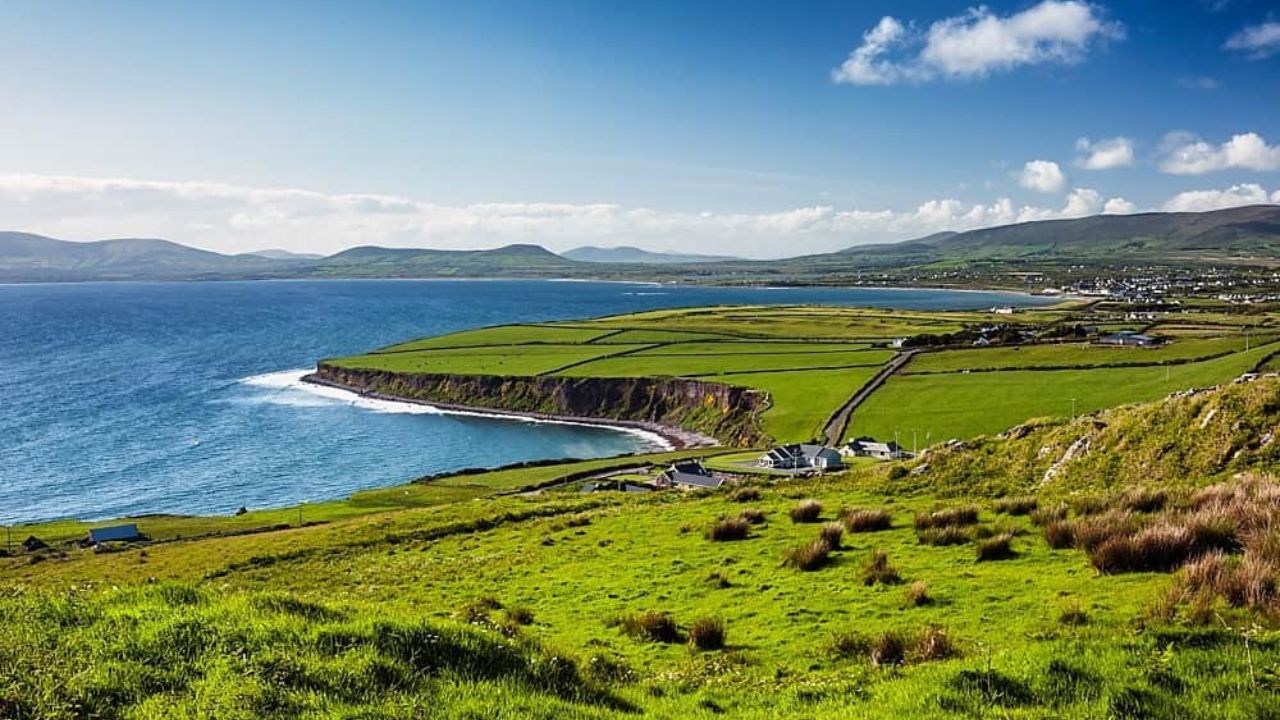
If scenic journeys excite you, the Ring of Kerry pairs beautifully with river travel:
https://celtguide.com/ring-of-kerry/.

Why the Shannon Still Matters
The Shannon teaches balance.
It nourishes communities, shapes memory, and inspires faith and creativity. In a fast world, the river reminds us to move with purpose, not haste.
Culture, after all, survives not only in monuments but in daily acts of belonging.