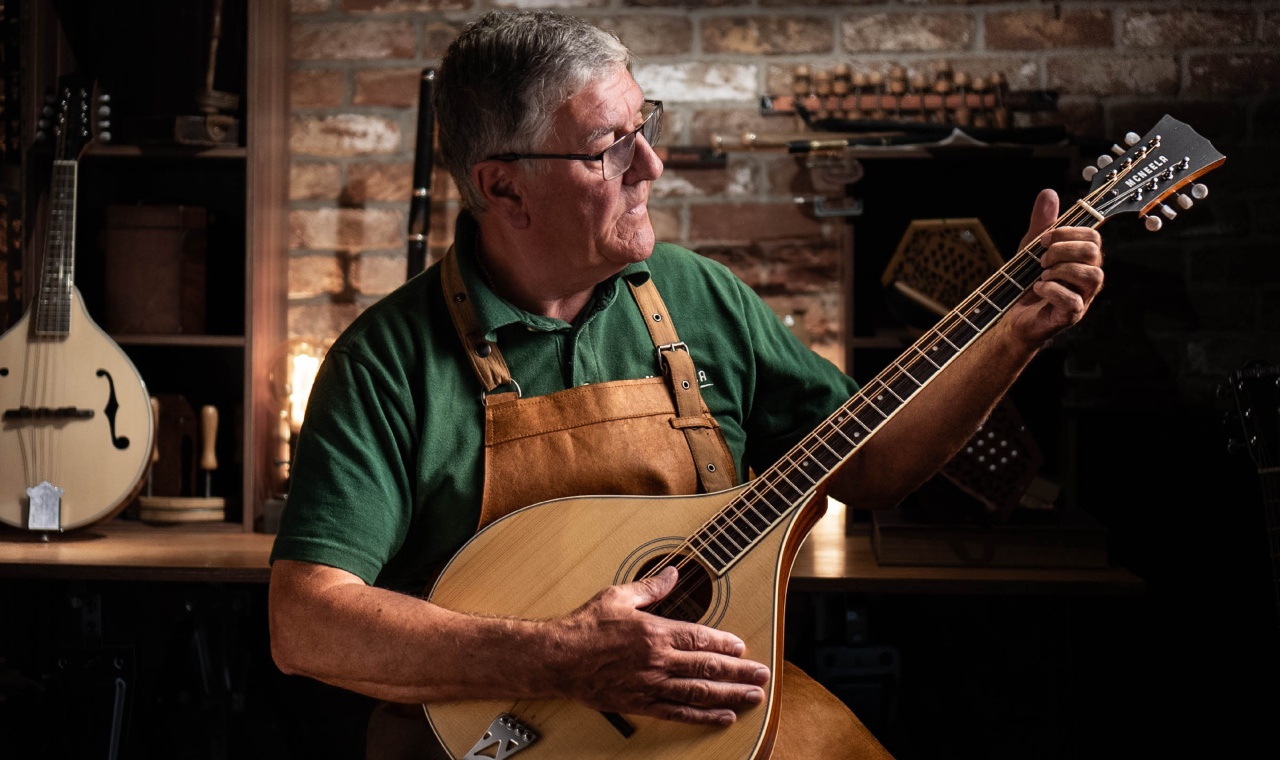


Scottish Wool Weaving Techniques: A Living Tradition of Craft and Culture
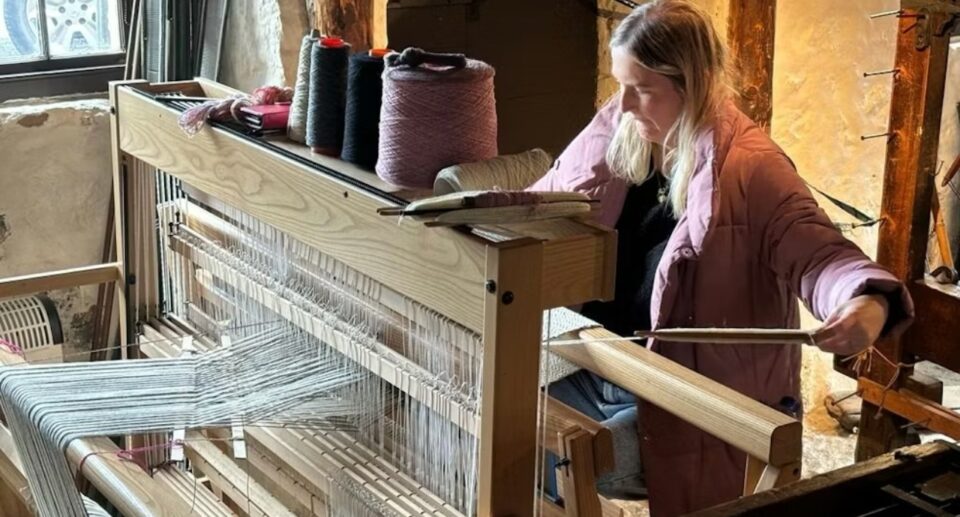
Scottish wool weaving feels like a living conversation between land, people, and culture. As I learned while studying textile heritage in Edinburgh, every thread carries memory. It warms the body and it tells a story.
Where Scottish Wool Weaving Began
Scotland’s climate shaped tough sheep and tougher textiles. Communities spun wool not only for warmth, but for identity. Soon, tartan patterns became symbols people proudly wore.
If you want to understand tartan at its core, start here:
What Is Tartan?, https://celtguide.com/what-is-tartan/
And if you’re curious about how far back tartan goes:
How Long Has the Tartan Prints Been Around?, https://celtguide.com/how-long-has-the-tartan-prints-been-around/
Weaving evolved alongside clan culture, storytelling, and tradition; all woven together.
Preparing Wool for the Loom
Before weaving even begins, wool moves through careful stages:
- Shearing
- Washing
- Carding
- Spinning
Each step shapes the strength and softness of the final cloth. Spinning controls tension and the loom completes the transformation.
The Heart of the Craft: The Loom
Walk into a traditional weaving shed and the loom becomes the center of life.
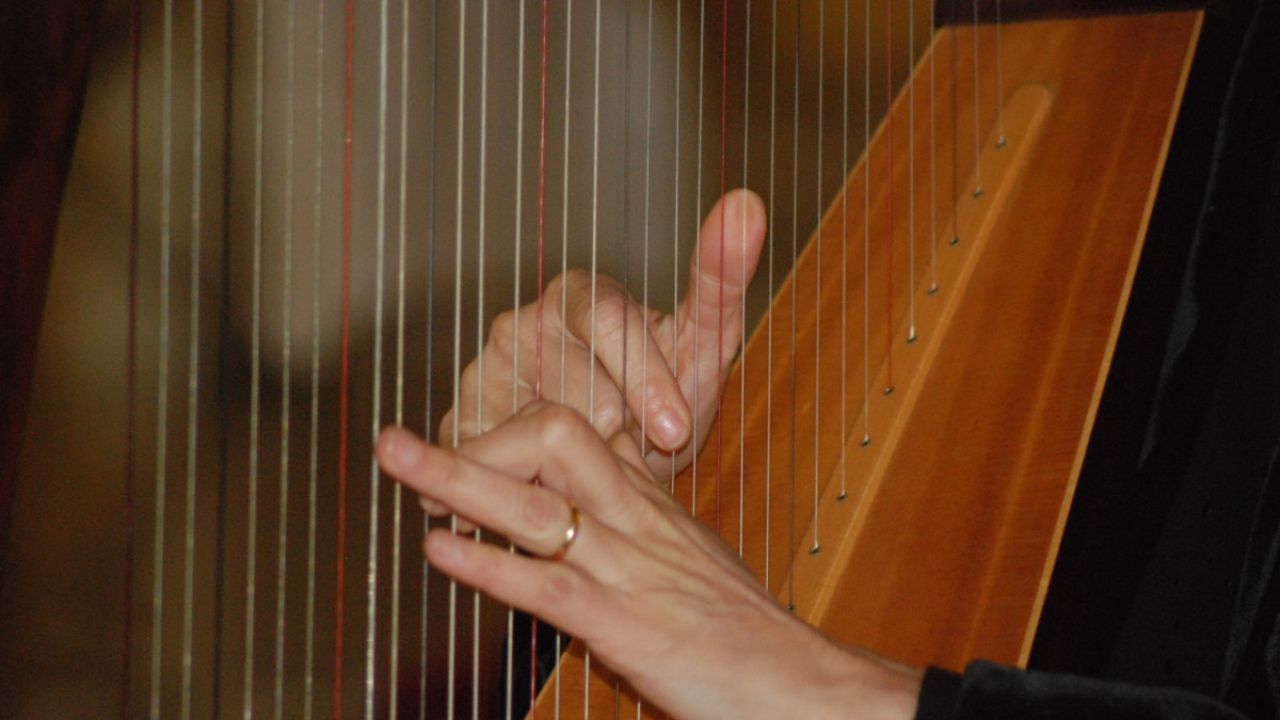
Hands guide the shuttle. Feet control the treadles. The rhythm feels almost musical — not unlike Celtic instruments.
To see another craft shaped by rhythm, explore:
👉 The Bodhrán Drum, https://celtguide.com/the-bodhran-drum/
The loom connected neighbors, families, and sometimes entire villages.
Core Scottish Weaving Techniques
1️⃣ Plain Weave
Simple and strong, one thread over, one thread under.
2️⃣ Twill Weave
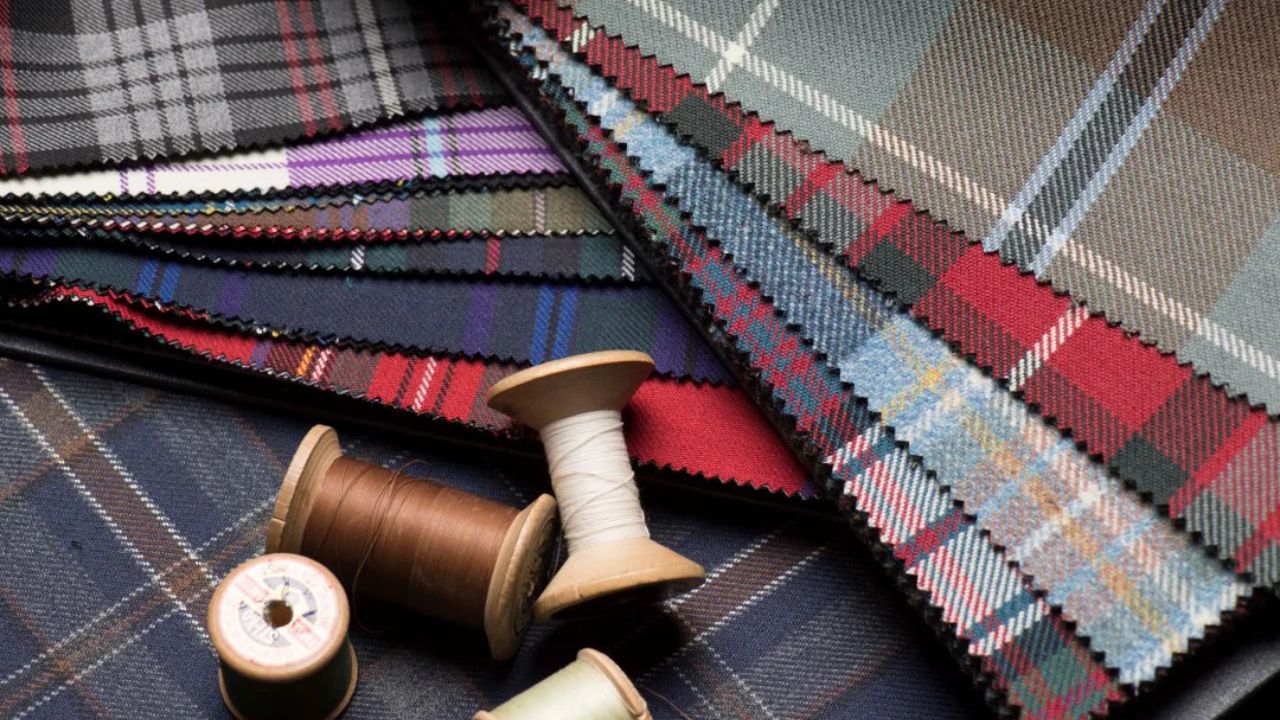
The diagonal pattern most tartans rely on. Flexible, durable, and visually striking.
3️⃣ Double Weave
Two layers woven together. Extra warmth for harsh Highlands winters.
4️⃣ Herringbone
Distinct V-shaped texture, loved for jackets, shawls, and kilts.
And of course, many of these techniques shape tartan shawls today:
Scottish Tartan Shawls, https://celtguide.com/scottish-tartan-shawls-a-timeless-blend-of-heritage-and-elegance/

Hand Weaving vs Industrial Mills
The Industrial Revolution brought mills into Scotland. Production increased, yet hand weaving never vanished. Handmade fabric carries intention, patience, and story.
That spirit mirrors other traditional arts, like stone carving:
Celtic Stone Carving, https://celtguide.com/celtic-stone-carvings/
Craft and heritage walk side by side.
Weaving, Clans, and Identity
Clans expressed belonging through fabric.
Patterns represented ancestry and pride.

Learn how clans shaped Scottish identity here:
How Many Scottish Clans Are There?, https://celtguide.com/how-many-scottish-clans/
Kilts, shawls, and blankets became symbols you could wear.
Weaving in Modern Scotland
Today, Scottish weaving blends tradition with innovation. Designers collaborate with mills. Visitors seek authentic wool. Families continue passing weaving knowledge down.
If tartan inspires you, these guides help:
How to Wear a Tartan Sash — https://celtguide.com/how-to-wear-a-tartan-sash/
How to Measure for a Kilt — https://celtguide.com/how-to-measure-for-a-kilt/
Do Irish Wear Kilts? — https://celtguide.com/do-irish-wear-kilts/
Heritage adapts but it never disappears.
Final Reflection
Scottish wool weaving reminds us that culture is not frozen in museums. It moves, breathes, and lives in the hands of artisans. Each thread strengthens a story and every woven piece carries the voice of Scotland’s past into the future.