

Scottish Warrior Plaids: Symbol of Strength and Identity
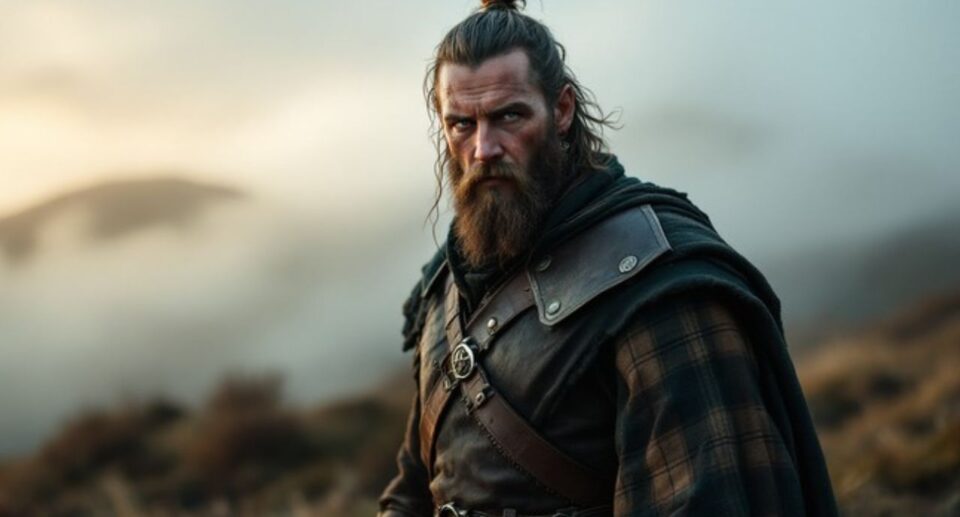
Plaids are more than patterns of color woven into wool. In the Scottish Highlands, they were symbols of identity, strength, and resilience. For warriors, plaids served as banners of clan pride, functional garments, and even shields against the harsh Highland weather. The legacy of the warrior’s plaid runs deep, standing alongside tartan’s enduring history as a timeless emblem of Scottish culture.
Origins of the Warrior’s Plaid
The earliest warrior plaids, known as the feileadh mòr or “great kilt,” emerged in the late 16th century. This versatile garment, made of several yards of tartan, could be draped over the body by day and used as a blanket at night. For Highland warriors, the plaid was both armor against the elements and a mark of identity.

The evolution of plaids parallels the broader history of Scottish clans, where kinship and territory shaped every aspect of life, from battles to dress.
Warrior Plaids in Battle
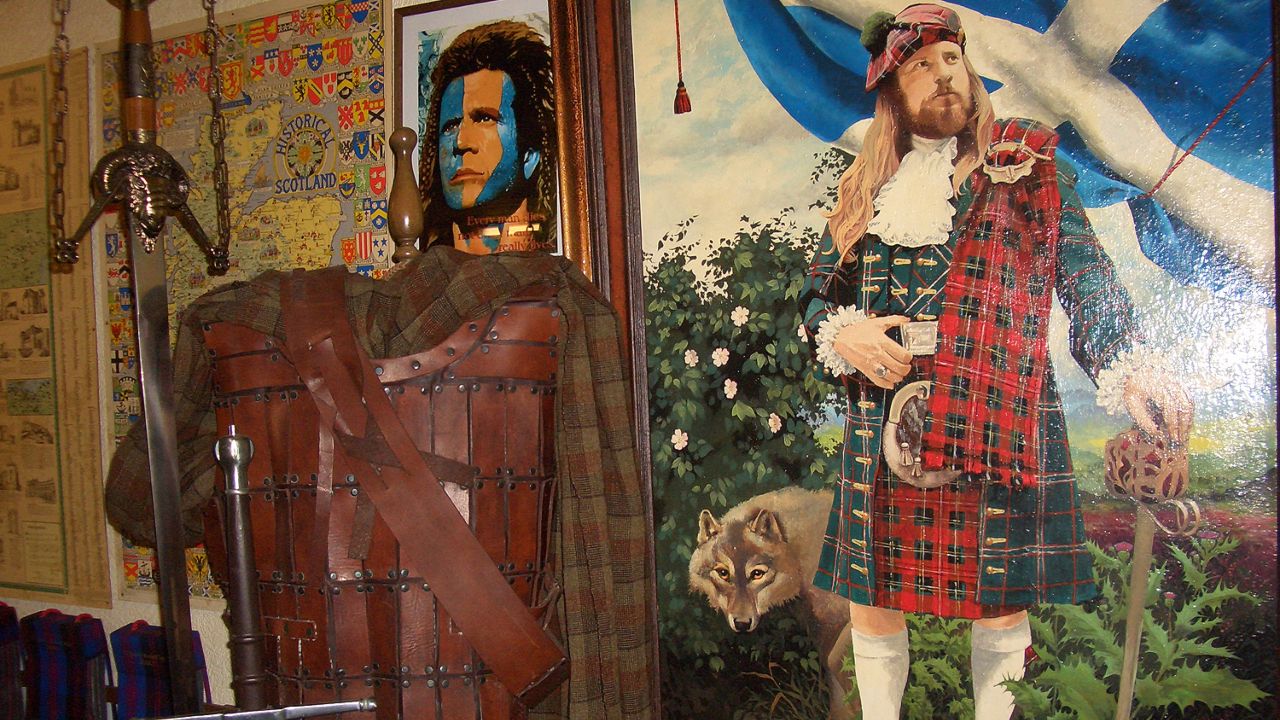
Warriors wore their plaids boldly, often with brooches fastening the fabric across their shoulders. The flowing cloth added dramatic flair in battle, intimidating foes while allowing freedom of movement. More than aesthetic, plaids were functional:
- Weather Shield: Offered warmth and protection against wind and rain.
- Camouflage: Earth-toned plaids helped warriors blend into Highland terrain.
- Banner of Identity: Clan colors made allegiance instantly recognizable.
Much like stone carvings that immortalized Celtic heroes, warrior plaids became living symbols of strength and pride.

Cultural Symbolism
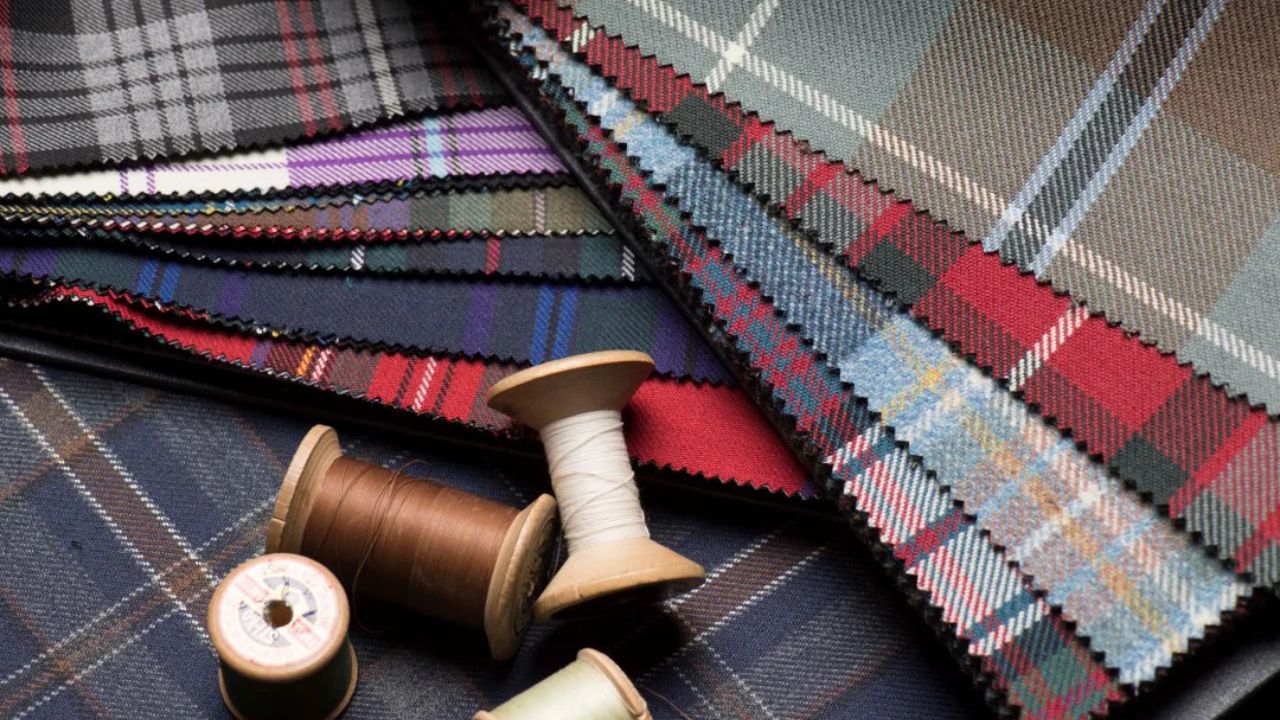
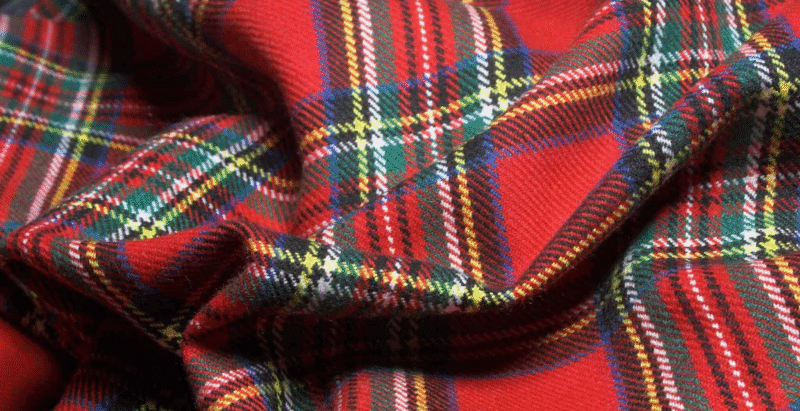
Beyond warfare, plaids were woven with meaning. Each pattern (sett) was associated with clan territory, weaving landscapes into heritage. Wearing a plaid was an assertion of belonging and loyalty, as significant as carrying a sword.
This cultural role mirrors how the dirk knife became more than a weapon—it was a badge of identity. Warrior plaids similarly functioned as both practical dress and powerful cultural marker.
From Battlefields to Heritage
Following the Jacobite uprisings, British authorities sought to suppress Highland culture by banning tartans and plaids in the mid-18th century. Yet the plaid endured. By the 19th century, it was revived as a romantic symbol of Scotland’s proud warrior past, celebrated in art, literature, and ceremonial dress.
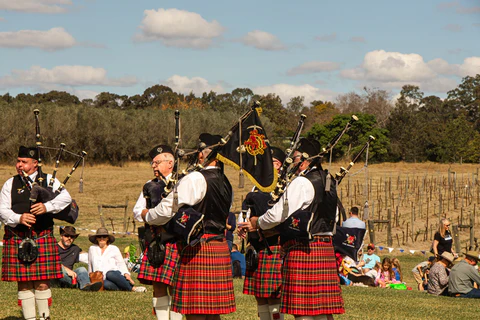
Today, plaids appear in everything from kilts in movies and shows to Highland Games reenactments, where tradition meets spectacle.
Conclusion
Scottish warrior plaids were never just garments—they were declarations of identity, resilience, and pride. They stood beside the sword on battlefields, wrapped families in warmth, and carried the spirit of the Highlands into history. Today, they continue to inspire, weaving the past into the present.
For more explorations of Scottish heritage, visit our blog.