

Scottish Tales of the Boggart: Mischief, Memory, and the Supernatural
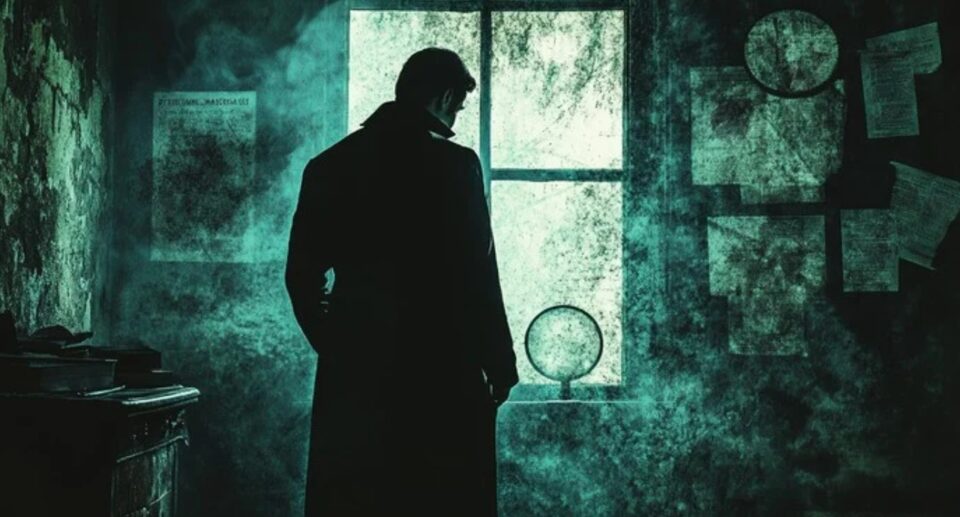
Every culture carries stories that explain what lurks just beyond the firelight. In Scotland, one of the most intriguing figures in that twilight space is the boggart, a restless household spirit that both frightens and fascinates.
When I first studied boggart lore at the University of Edinburgh, I noticed something striking. These stories rarely exist only to scare children. They also capture how families understood unexplained noises, missing items, bad luck, and the deep belief that the world holds more than meets the eye.
You can see similar storytelling instincts in pieces like Why Are Irish People Natural Storytellers?, narrative becomes a tool for sense-making.
What Exactly Is a Boggart?
A boggart usually begins as a harmless household presence, sometimes helpful, sometimes watchful. Over time, when someone offends it or forgets basic respect, it turns troublesome.
People blame boggarts for things like:
- milk spoiling overnight
- tools disappearing
- doors slamming
- footsteps in empty rooms
Once angered, a boggart rarely forgives. Families would move homes to escape, only to find the creature followed. This belief reveals something important about Scottish folklore: trouble does not always come from the outside. Sometimes, it hides within familiar walls.
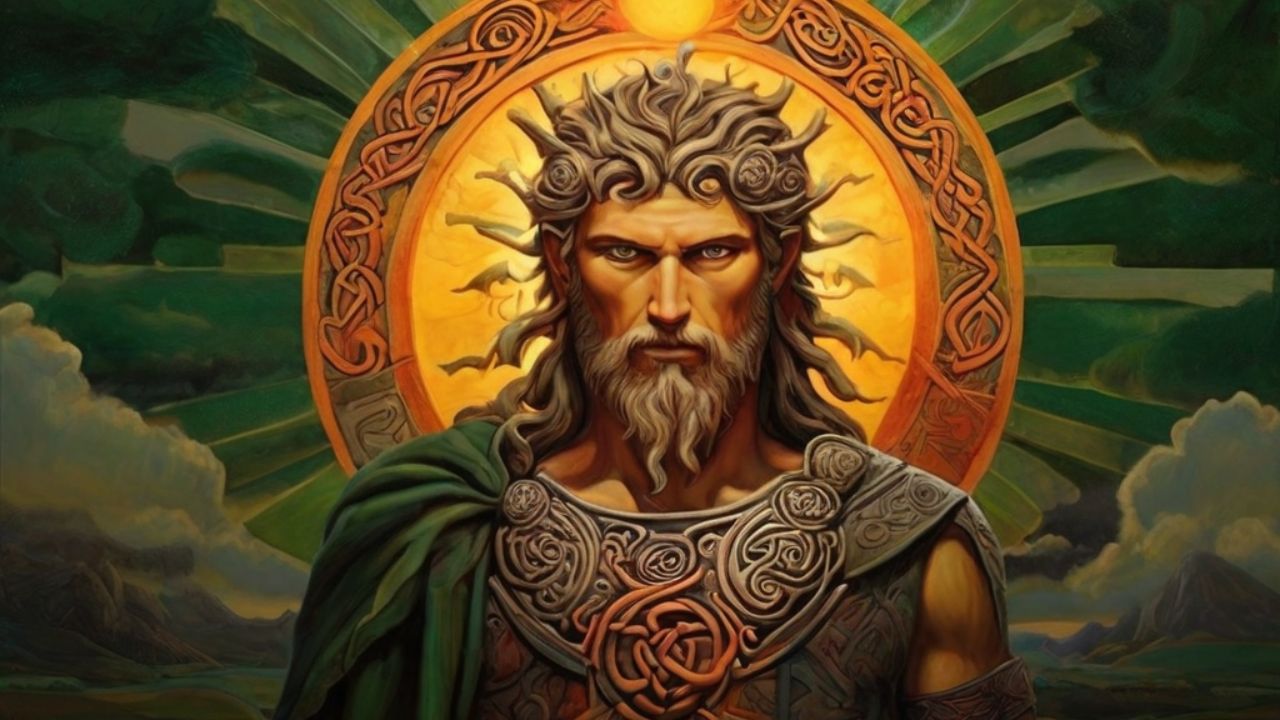
For comparison, you may enjoy our guide to other Celtic supernatural figures in The Linton Worm and Celtic Sun God Lugh.
Shapeshifter, Trickster, or Warning?
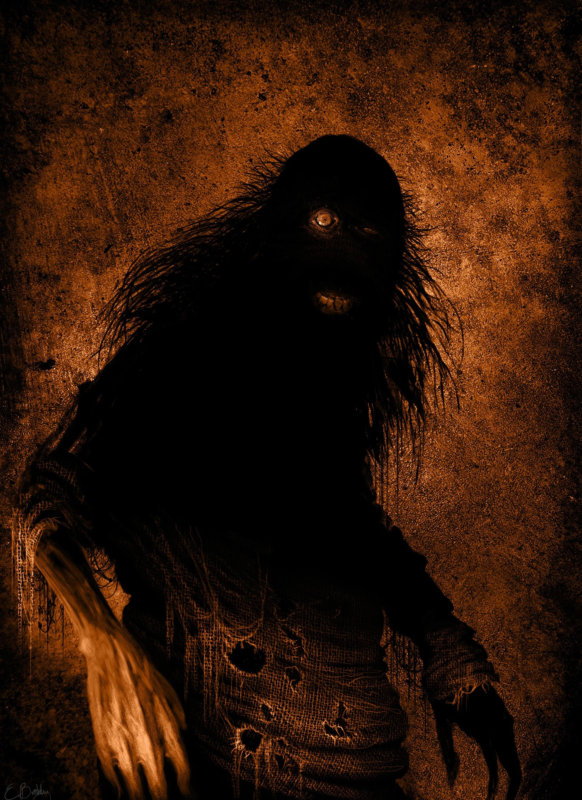
Boggarts shift shape. Some appear as small hunched figures. Others resemble animals. A few hide as invisible forces that rely on sound alone.
But their personality stays consistent:
they punish disrespect and disorder.
In academic folklore study, the boggart often works as a moral boundary. Children learn not to waste food, ignore chores, or mock tradition. Adults learn humility when things go wrong.
This echoes broader Celtic moral storytelling, the same cultural thread you’ll notice in tales like Selkies in Folklore or the protective symbolism reflected in the Celtic Oak Tree.
You Cannot Name What You Fear
One fascinating detail:
People avoided saying boggart aloud.
Naming the spirit risked giving it power or inviting attention. So families spoke in hints or euphemisms. This linguistic caution parallels other sacred traditions, such as the guarded reverence in Scottish Gaelic Bible Translations.
By refusing to name the boggart, people created psychological distance from their fears — while still acknowledging them.
Rural Life, Anxiety, and Belief
Most boggart tales grew in rural communities. Daily life relied on weather, livestock, and luck, all unpredictable forces. When something broke or vanished, boggart stories helped explain misfortune without placing blame on neighbors.
Folklore scholars often describe this as cultural problem-solving. Instead of accusing family or friends, people turned to narrative.
You can sense similar emotional intelligence in Irish and Scottish storytelling surrounding hardship, such as discussions of resilience in The Influence of the Irish Potato Famine.

Can You Get Rid of a Boggart?
The short answer: rarely.
Stories say people tried:
- moving house
- blessing doorways
- leaving gifts
- ignoring the disturbances
Yet boggarts often followed, clinging like unwelcome memories. In this sense, the boggart becomes symbolic. It represents unsolved tension, family secrets, or grief that refuses to fade.
Folklore like this lives alongside other belief-based practices across Celtic culture, including devotional landscapes found in Irish Holy Wells.
Why These Tales Still Matter
Modern audiences meet boggarts mainly in fantasy books and films. But the original Scottish tales carry different energy. They teach caution, empathy, and the awareness that communities hold fragile dynamics.
The boggart reminds us that fear often masks deeper truths. And folklore gives voice to emotions that history books rarely record.
For more on how myth preserves collective memory, browse our Mythology & Folklore collection, a growing archive across Celtic regions.
Final Thought
Boggart tales endure because they speak to everyday life. They warn, amuse, and help us to understand the uneasy spaces between home, belief, and imagination.
And in that twilight, just as the stories suggest, something still rustles.