Scottish Sword Making: A Legacy Forged in Steel

Introduction: Blades That Built a Nation
Few symbols of Scotland carry as much weight, literally and culturally, as the sword. From the massive Highland claymore to the finely crafted dirk, Scottish sword making was not only about producing weapons but also about shaping identity, clan pride, and artistry. In the rugged Highlands, a sword was more than steel; it was heritage forged into a blade.
The Origins of Scottish Sword Making
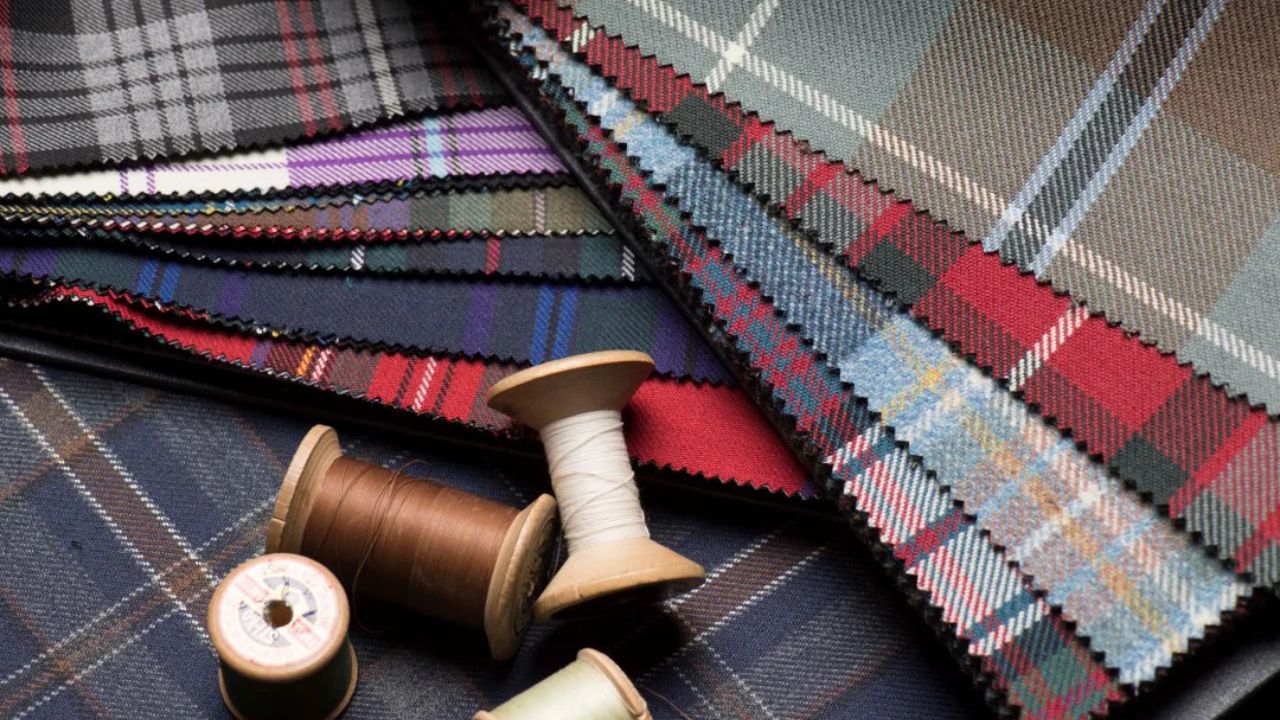
Sword making in Scotland traces back to early Celtic smiths, whose skill with iron laid the foundations for later weaponry. As clans grew in strength, the sword became a marker of status and allegiance. Just as tartan patterns defined clan identity, so too did a man’s blade reflect his heritage.

The Claymore: Scotland’s Iconic Blade
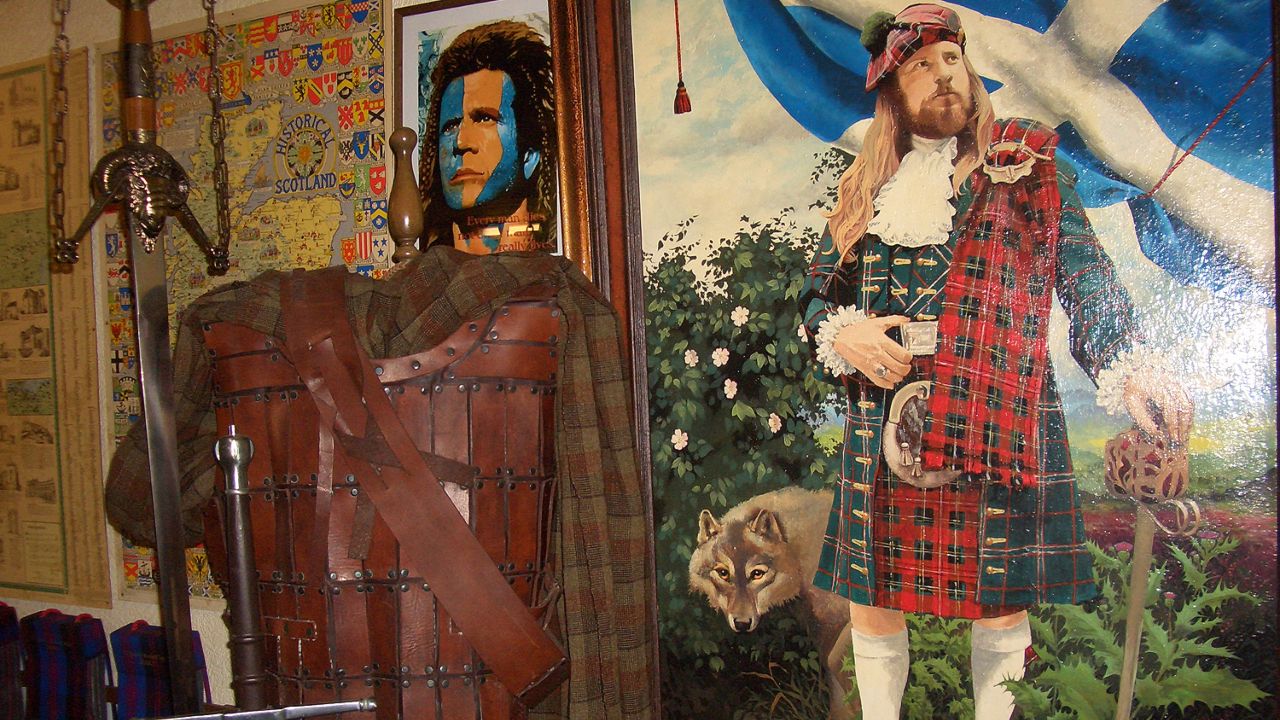
The claymore, meaning “great sword” in Gaelic, is perhaps the most legendary of Scottish weapons. With its long two-handed grip and broad blade, it was the weapon of Highland warriors during the late medieval and early modern periods.
These massive swords weren’t just practical for battle, they were symbols of clan might, often carried at the frontlines during conflicts like the Wars of Scottish Independence.

Dirks and Everyday Weaponry
Not all swords were great two-handed beasts. The dirk, a long thrusting dagger, became an essential part of Highland dress, much like kilts and tartan sashes. It served both practical and ceremonial roles, often passed down as heirlooms.
For a deeper dive into dirks, you can explore our guide on the dirk knife.

The Craft: Forging Steel with Skill
Scottish sword makers were artisans as much as weaponsmiths. They followed time-honored methods:
- Heating iron and steel in roaring forges.
- Hammering blades into shape with rhythmic precision.
- Hardening and tempering to balance strength and flexibility.
- Decorating hilts with clan motifs and intricate Celtic knotwork, echoing traditions seen in Celtic stone carvings.
Sword making was as much about artistry as utility. Each blade carried a story of its maker, its wielder, and its clan.
Symbolism Beyond the Battlefield
Swords in Scotland were more than weapons; they were cultural emblems. They represented honor, protection, and kinship. In Highland ceremonies and clan gatherings, swords stood as tokens of unity, echoing the same spirit that runs through Gaelic proverbs and songs.
Even today, the claymore remains a powerful cultural symbol, featured in Highland games displays and heritage reenactments (see our guide on Highland Games events).

Modern Legacy of Scottish Sword Making
While swords are no longer carried in battle, their legacy endures in ceremonial uses, craftsmanship, and cultural pride. Collectors, historians, and heritage festivals ensure that the art of sword making is not forgotten.
Just as kilts in movies keep Scottish fashion alive, so too do these blades keep the warrior spirit of the Highlands burning.
Conclusion: Steel That Tells a Story
Scottish sword making is not only about weaponry but about history, culture, and resilience. Each blade forged in the Highlands is a piece of living heritage—shining with the strength of its people.
For more Celtic traditions, stories, and crafts, explore our Celtguide blog.