Scottish Strathspey Music: Rhythm, Roots & Highland Style
Strathspey music stands as one of Scotland’s most distinctive musical traditions. Its crisp rhythm, sharp accents, and emotional depth set it apart from other Celtic styles. When people describe Scottish music as bold, dramatic, and full of character, they often describe the spirit of the Strathspey.
In this blog, we’ll explore where Strathspey music came from, how musicians play it, and why it remains a vital part of Scotland’s musical identity.
If you enjoy exploring Celtic culture, you can find more stories in the CeltGuide Blog.
What Exactly Is Strathspey Music?
A Strathspey is a type of Scottish dance tune known for its “Scotch snap”—a short, sharp note followed by a long one. This rhythm creates a tense, almost tug-and-release effect that feels unmistakably Scottish.
Unlike jigs or reels, a Strathspey carries a dramatic heaviness. It often feels grounded, deliberate, and deeply expressive. The tune gets its name from Strath Spey, the region around the River Spey in the Scottish Highlands, one of the cultural heartlands of traditional music.
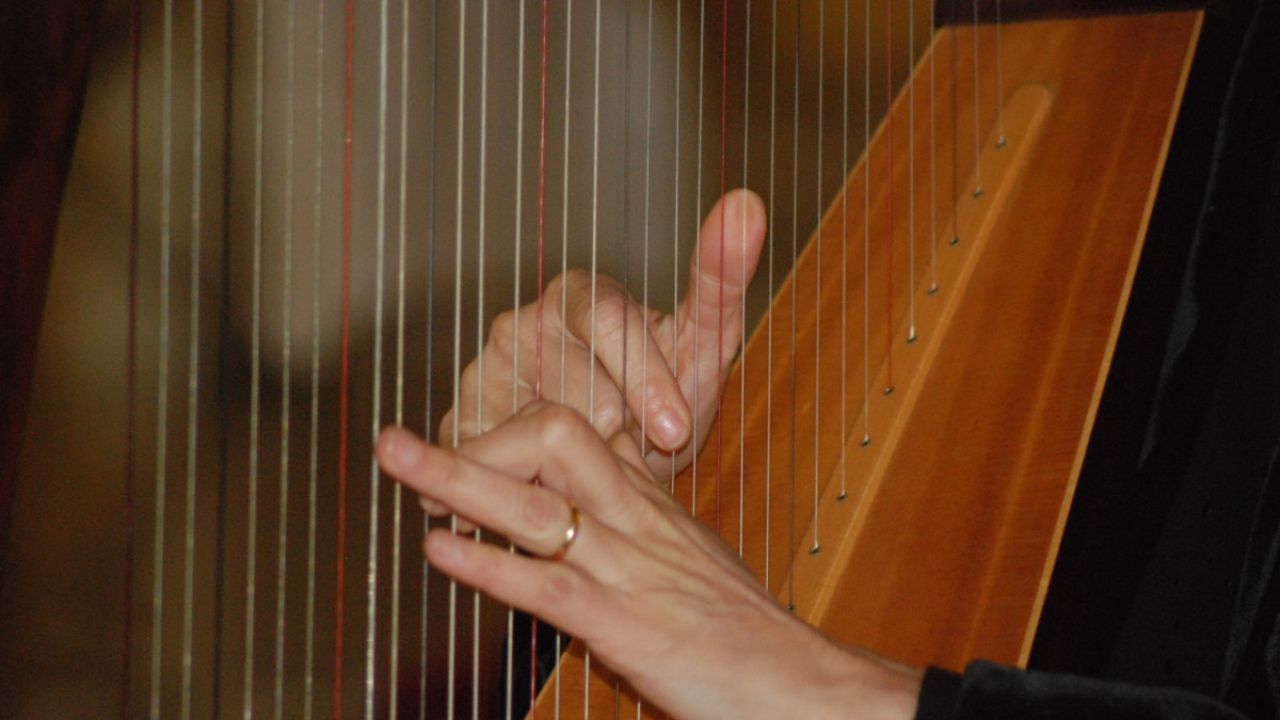
For readers who love Scottish instruments, you might also enjoy our guide on the iconic Bodhrán Drum or the enchanting Clarsach Celtic Harp.
The Famous “Scotch Snap”
The “Scotch snap” defines the Strathspey. This sharp rhythmic pattern creates energy and tension, making Strathspey music ideal for Scottish country dancing.
The snap didn’t appear suddenly. It evolved gradually as fiddlers in the Highlands experimented with timing. Over generations, the pattern became an expressive signature of regional identity.
If you’re curious about how cultural expression takes shape in Celtic storytelling, visit Why Are Irish People Natural Storytellers?.
Fiddle: The Heart of Strathspey Tradition
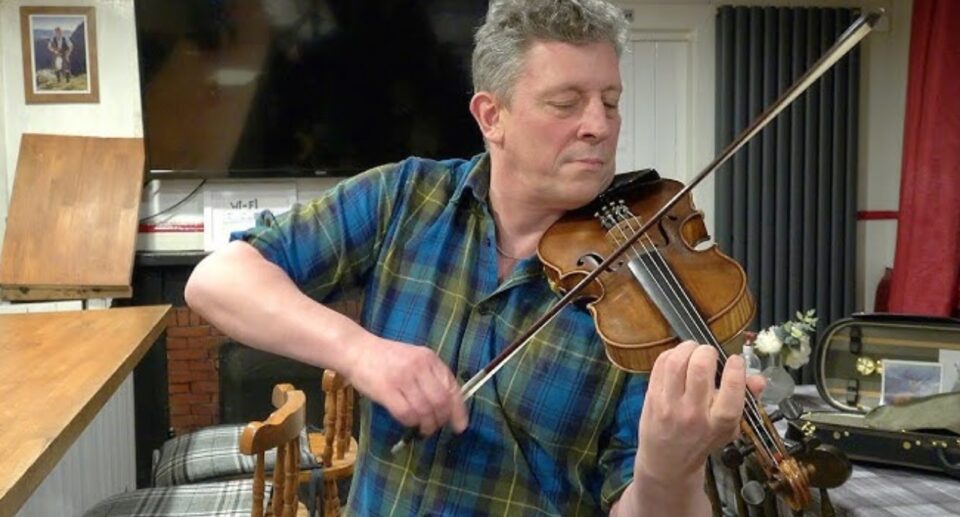
The fiddle leads most Strathspey performances. Its rich tone carries the rhythmic bite that defines the tune. Fiddlers in Speyside developed a playing style with strong bow pressure, quick wrist motion, and sharp articulation.
This technique sets Strathspey fiddling apart from Irish fiddle music, Highland reels, and even other Scottish forms.
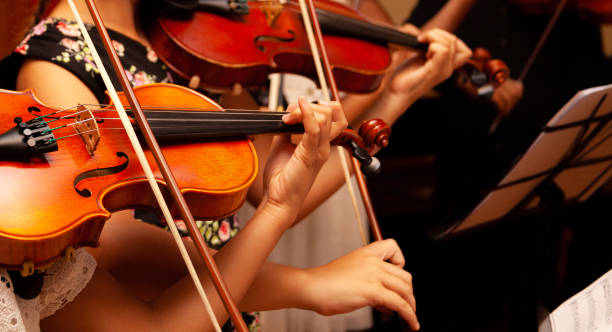
If you want to explore related music traditions, you’ll enjoy our article on Fiddle Music.
Strathspey and Scottish Dance
Strathspey tunes support a specific type of Scottish country dance filled with steady steps, turns, and graceful arm movements. Dancers enjoy the dramatic pauses and emphatic beats, which give them space to create striking shapes.
Many performances flow directly from a Strathspey into a reel, shifting from tension to release. That contrast mirrors the emotional texture of Highland life: dramatic yet spirited, bold yet warm.
If you enjoy exploring Scottish movement arts, take a look at the Ceili Bands that keep the dance tradition alive in Ireland and Scotland.
Cultural Roots in the Highlands
The Highlands shaped the tone, mood, and purpose of Strathspey music. Life in this region, with its steep glens, harsh winters, and resilient communities, blended hardship with beauty. The Strathspey reflects that landscape perfectly.
Several Highland communities, clans, and musicians passed down Strathspey traditions over generations. For a deeper look at clan history, explore How Many Scottish Clans Are There?.
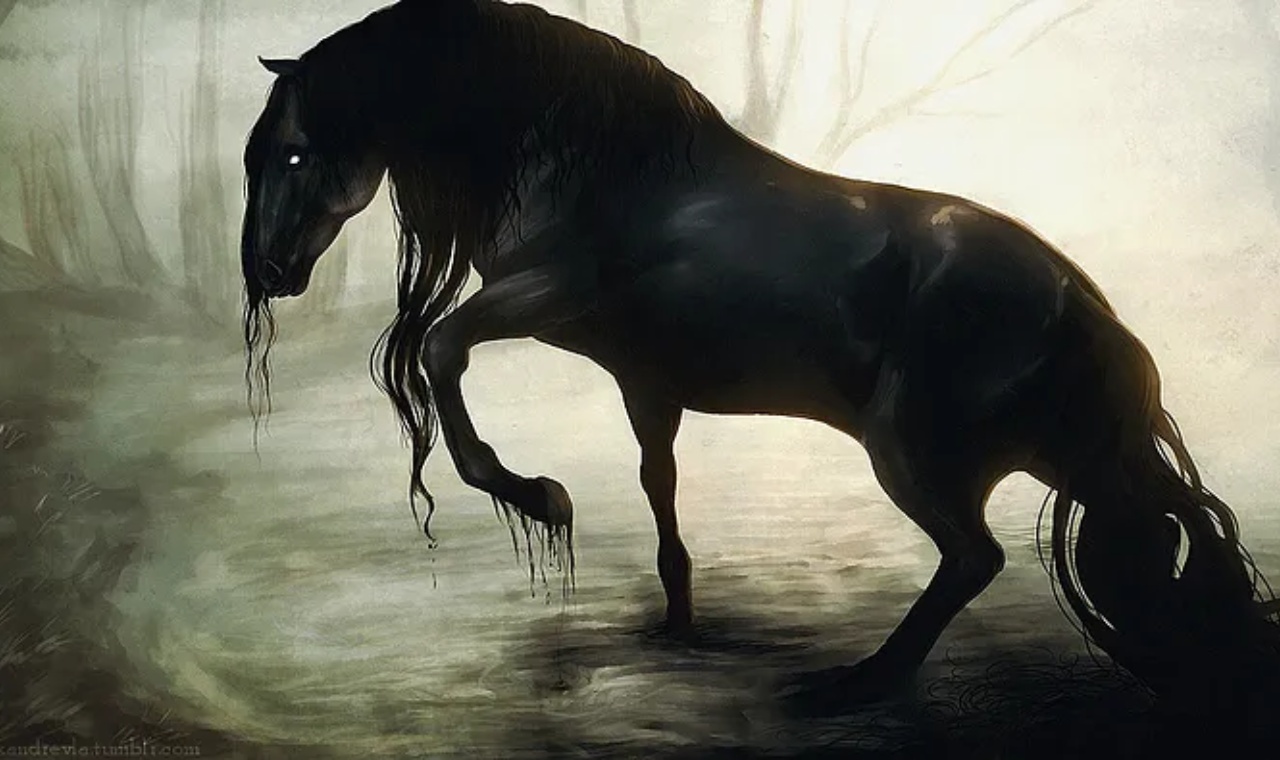
The tune also captures the storytelling rhythm of Gaelic culture. Its intensity mirrors the strength found in Highland tales, similar to the legends explored in The Linton Worm and Selkies in Folklore.
Why Does Strathspey Music Feel So Unique?
Strathspey music offers a few qualities that make it stand out:
- Tension in rhythm from the Scotch snap
- A grounded tempo slower than reels
- Strong bowing technique from Highlands fiddlers
- Emotional depth that sits between joy and severity
- A danceable, structured feel suited to Scottish country dance
These elements create a musical texture that feels ancient, expressive, and unmistakably Scottish.
Strathspey in Today’s Celtic Music Scene
Modern musicians continue to perform Strathspeys at Highland Games, ceilidhs, concerts, and folk festivals. Many young fiddlers proudly carry this tradition forward, blending old rhythms with modern arrangements.
If you plan to attend a Highland event soon, check out our guide to Events to Watch in Highland Games 2025.
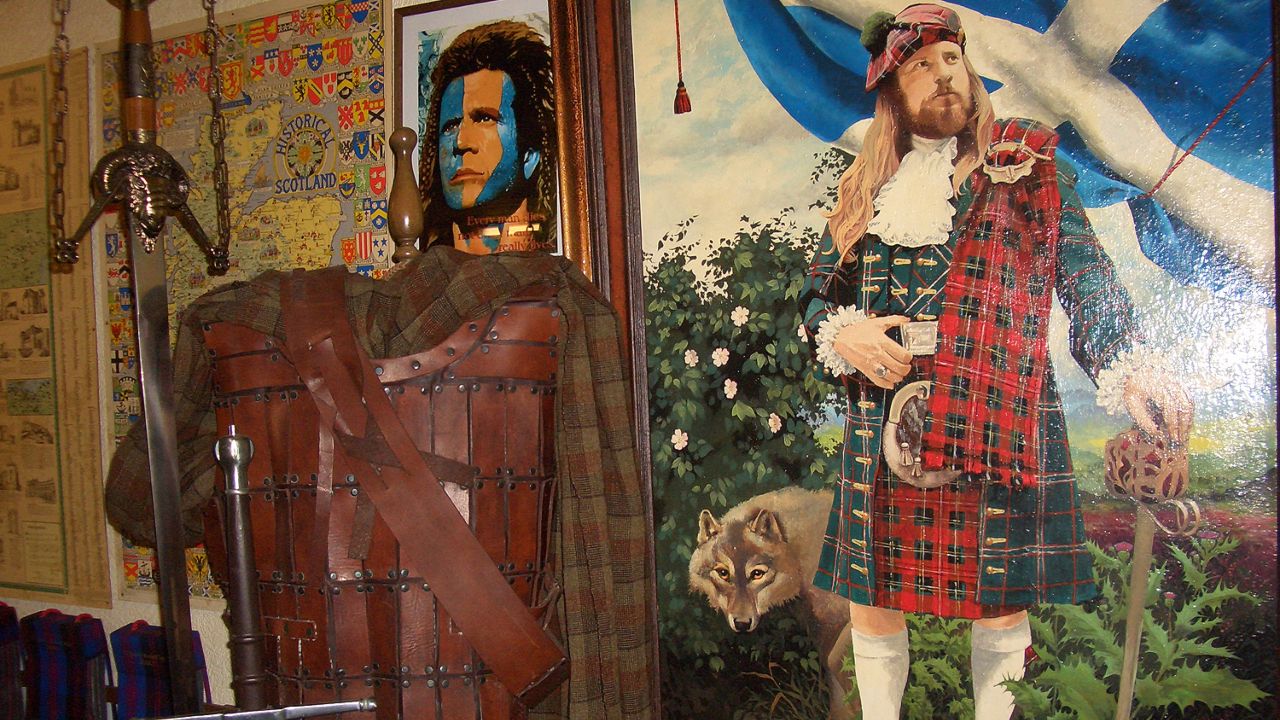
Strathspey music also appears in films, theatre, and cultural showcases that celebrate Scotland’s artistic heritage—much like the costumes explored in Kilts in Movies and Shows.
Final Thoughts
Scottish Strathspey music may seem simple from afar, but once you listen closely, you hear centuries of storytelling, community, and Highland resilience. Its rhythm carries the pulse of the landscape, while its melody holds the memory of the people who shaped it.
If you want to dive deeper into the world of Celtic tradition, explore more on the CeltGuide Blog.