Scottish Stories of the Slaugh: The Unforgiven Dead

Scottish folklore does not treat death as an ending. It treats it as a crossing.
Among the most unsettling figures in Highland tradition stands the Slaugh, also called Sluagh na Marbh, the Host of the Unforgiven Dead. These spirits were not evil in the usual sense. They were restless. They belonged nowhere.
Stories of the Slaugh spread across the Highlands and Islands, whispered rather than proclaimed. They reflect a society deeply concerned with moral balance, communal memory, and the fate of the soul.
What Is the Slaugh in Scottish Folklore?
The Slaugh were believed to be the souls of people who lived badly but did not deserve eternal damnation. They hovered between worlds.
Unlike Christian heaven or hell, this belief reflects older Celtic ideas of liminal existence. The Slaugh traveled in great aerial hosts, often at night, sweeping across the sky like storms of souls.
People feared them not because they sought revenge, but because they could carry the living away.
These beliefs echo broader Celtic ideas of the Otherworld, explored in What Is Annwn?, where boundaries between realms remain fragile.
How the Slaugh Were Said to Appear
Eyewitness accounts in folklore share striking similarities.
People described:
- Sudden gusts of wind on calm nights
- Whispers or distant cries overhead
- A sense of being watched from above
The Slaugh were said to move from west to east, following the path of the dying sun. Because of this, Highlanders avoided opening western-facing doors at night.
Who Became Part of the Slaugh?
Not every restless soul joined the Slaugh. Folklore carefully defined them.
The Slaugh included:
- Oath-breakers
- Cruel landlords
- Those who violated hospitality laws
- People who died without repentance
Hospitality carried sacred weight in Celtic society. Breaking it risked spiritual exile. This moral framework appears across Celtic traditions and storytelling, discussed in Why Are Irish People Natural Storytellers?.
Protection Against the Slaugh
Highland communities did not see themselves as powerless.
They believed certain actions offered protection:
- Closing windows at dusk
- Avoiding night travel during storms
- Carrying iron objects
- Reciting prayers or charms
Iron held symbolic power across Celtic cultures, much like ritual objects discussed in What Is a Dirk Knife?.
Music also played a role. Soft harp playing, or clàrsach melodies, were believed to calm restless spirits, linking the Slaugh myth to The Clarsach: A Comprehensive Guide to the Celtic Harp.

The Slaugh and the Scottish Landscape
Landscape mattered deeply in these stories.
Remote glens, mountain passes, and islands like Mull often appear in Slaugh tales. These liminal spaces symbolized transition rather than permanence. You can explore this geography further in Isle of Mull and Is Loch Lomond in the Highlands?.
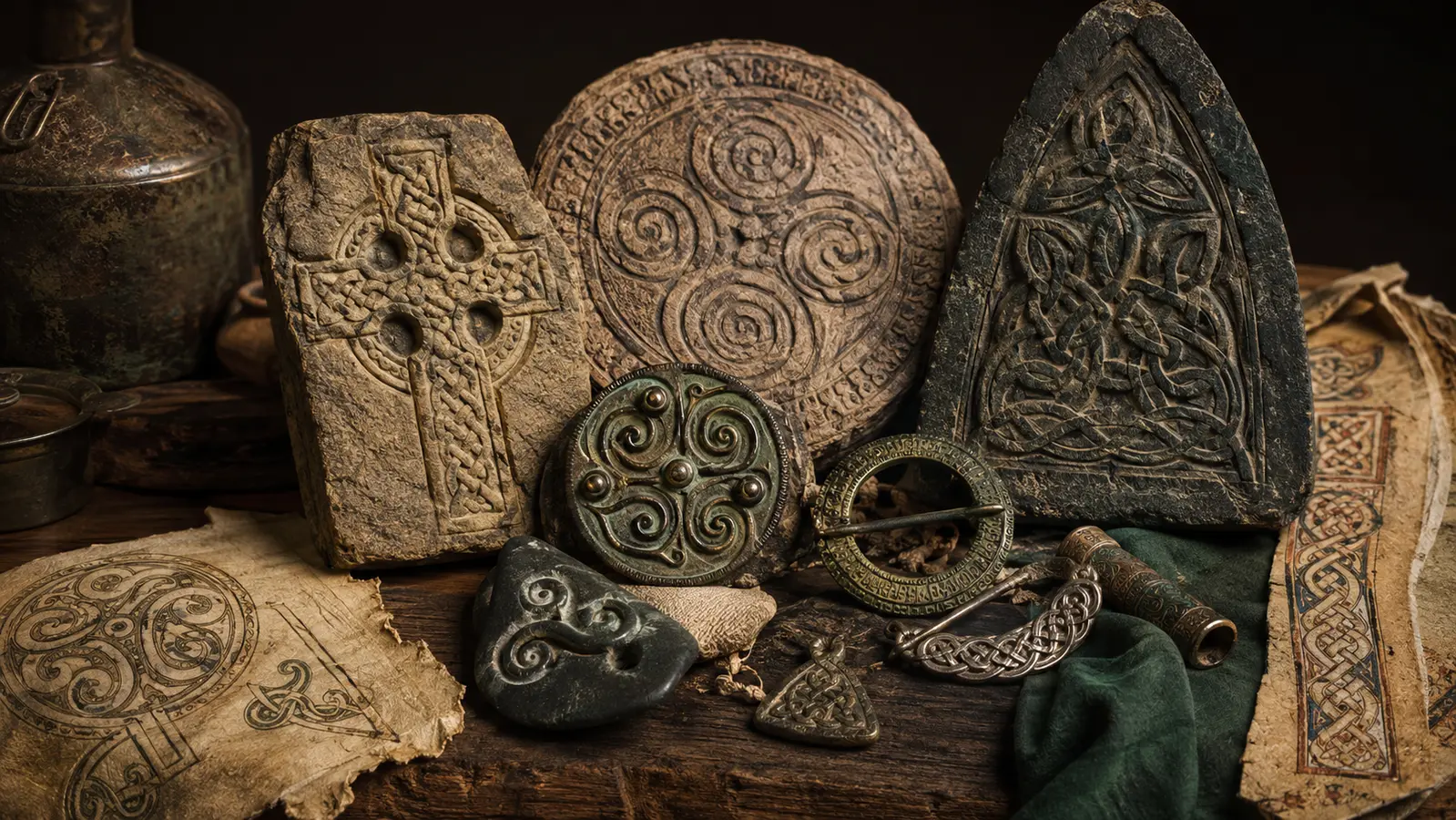
Stone carvings and standing stones sometimes marked places where the Slaugh passed. Such markers reinforced memory, much like those discussed in Celtic Stone Carvings.
Christian Influence and Moral Transformation
As Christianity spread, the Slaugh did not disappear. Instead, the myth adapted.
Church teachings reframed the Slaugh as cautionary symbols. They represented moral failure rather than spiritual ambiguity. Gaelic sermons and later Bible translations absorbed these ideas, as seen in Scottish Gaelic Bible Translations.
Yet the core fear remained unchanged: a life lived without balance left consequences beyond death.
Why the Slaugh Still Matter Today
Modern readers often label the Slaugh as ghost stories. That view misses their deeper role.
These tales taught communities:
- Accountability
- Respect for social bonds
- Awareness of unseen consequences
They also reveal how Scottish folklore blends fear with ethics. The Slaugh remind us that memory judges as powerfully as law.
Conclusion: The Unforgiven Never Truly Leave
The Slaugh endure because they speak to a universal anxiety. What happens when a life leaves no peace behind?
Scottish folklore answered with wind, shadow, and whispered warnings. These stories did not aim to terrify. They aimed to guide.
To explore more Celtic myths, spirits, and ancestral beliefs, visit the CeltGuide Blog and continue walking the paths between worlds.