Celtic Fairy Queen Medb: Power, Myth, and Sovereignty

Queen Medb, also known as Maeve, remains one of the most formidable figures in Irish mythology. She stands at the crossroads of history, legend, and the fairy world. Unlike gentle fairy queens found in later folklore, Medb commands authority, ambition, and sharp intellect. She does not react to events. She creates them.
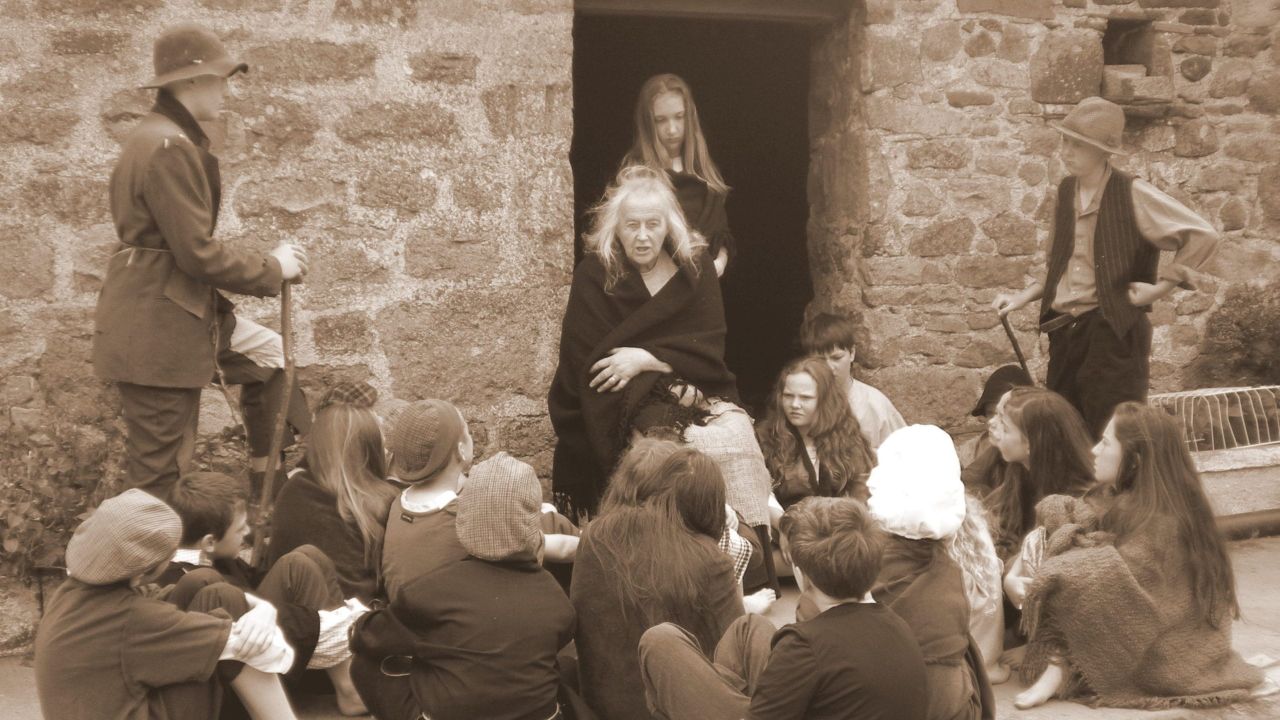
Medb’s story survives because Irish culture values oral tradition. Storytelling has long preserved memory, power, and identity. This tradition explains why figures like Medb still feel alive today, as explored in our article on why Irish people are natural storytellers.
Origins of Queen Medb in Irish Mythology
Queen Medb appears most prominently in the epic Táin Bó Cúailnge (The Cattle Raid of Cooley). She rules Connacht from Cruachan, a royal site deeply associated with the Otherworld. Cruachan functions as a liminal space where myth and reality meet, much like the Hill of Tara, a ceremonial heart of ancient Ireland.
Linguistic studies suggest Medb’s name derives from medua, meaning “mead” or “intoxicating drink.” Mead symbolized kingship, fertility, and divine favor. Through this symbolism, Medb becomes more than a mortal ruler. She embodies sovereignty itself.
Medb as a Fairy Queen and Sovereignty Figure
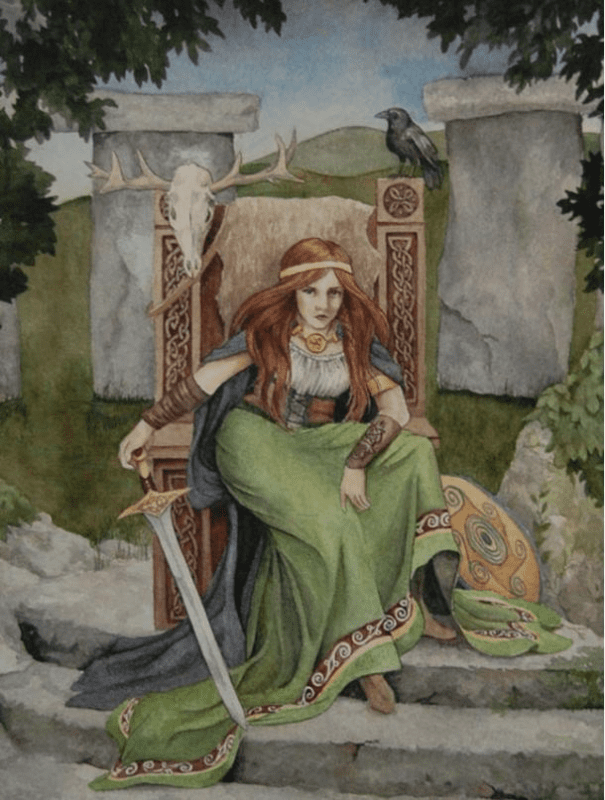
Later folklore increasingly portrays Medb as a fairy queen rather than a human monarch. In this role, she represents the land’s will. She grants authority to kings who meet her standards and withdraws it from those who fail. Medb chooses her lovers openly, reinforcing her independence and control.
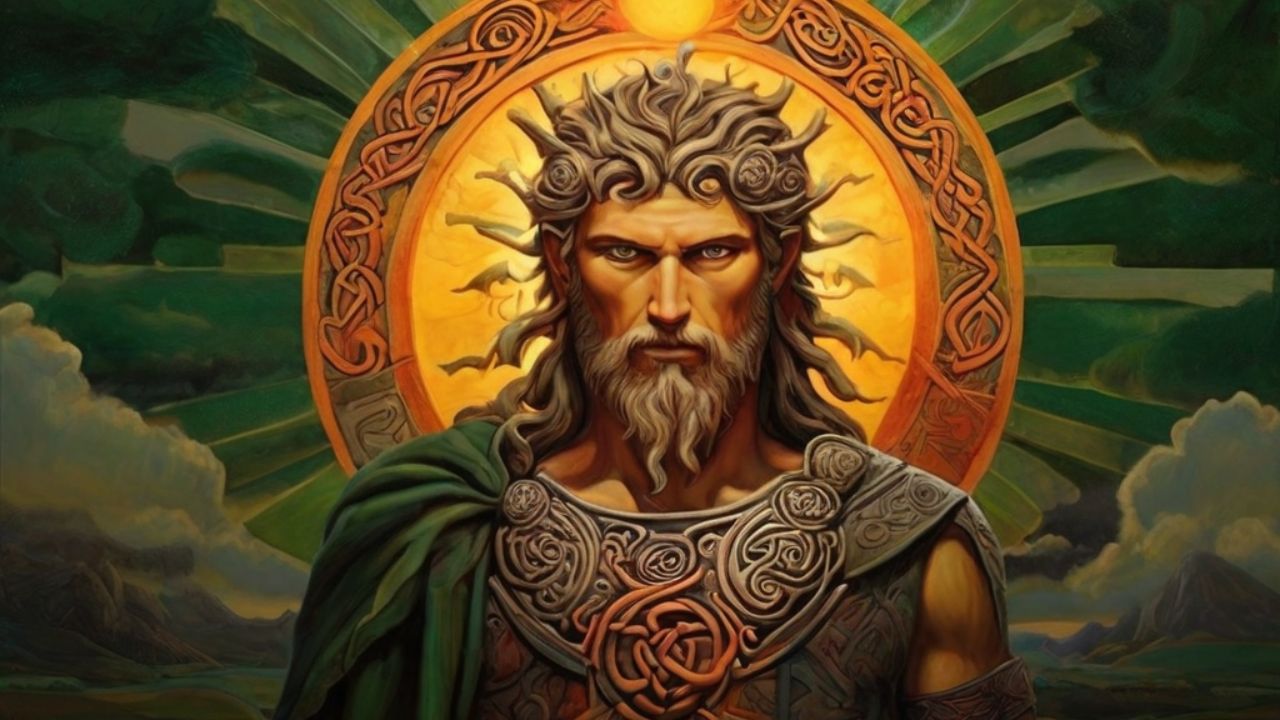
This concept of sovereignty appears throughout Celtic mythology. Deities such as the Celtic sun god Lugh also blur the line between god, hero, and supernatural being. Medb fits this tradition. She operates beyond moral simplicity and reflects the land’s untamed power.
Power, Gender, and Authority in Medb’s Character
Medb challenges modern assumptions about ancient societies. She commands armies, negotiates alliances, and demands equality with her husband, King Ailill. One famous declaration defines her worldview: she never lived “without one man in the shadow of another.”
Early Irish law granted women more autonomy than many later European systems. Medb exaggerates this autonomy to mythic scale. She unsettles readers because she refuses submission. Her authority feels deliberate, not inherited.
Rather than symbolizing chaos, Medb represents balance through strength. She asserts that power must match ambition.
Landscapes and Places Linked to Queen Medb
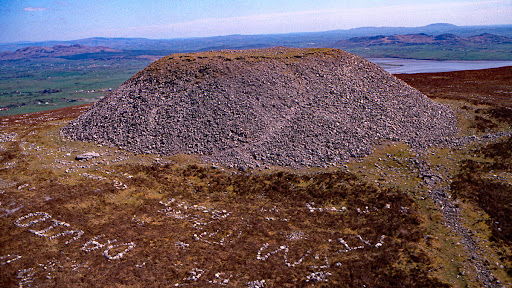
Irish landscapes preserve Medb’s memory. Knocknarea Mountain in County Sligo holds Miosgán Meadhbha, a massive cairn traditionally identified as her grave. The monument dominates the surrounding land, echoing Medb’s dominance in myth.
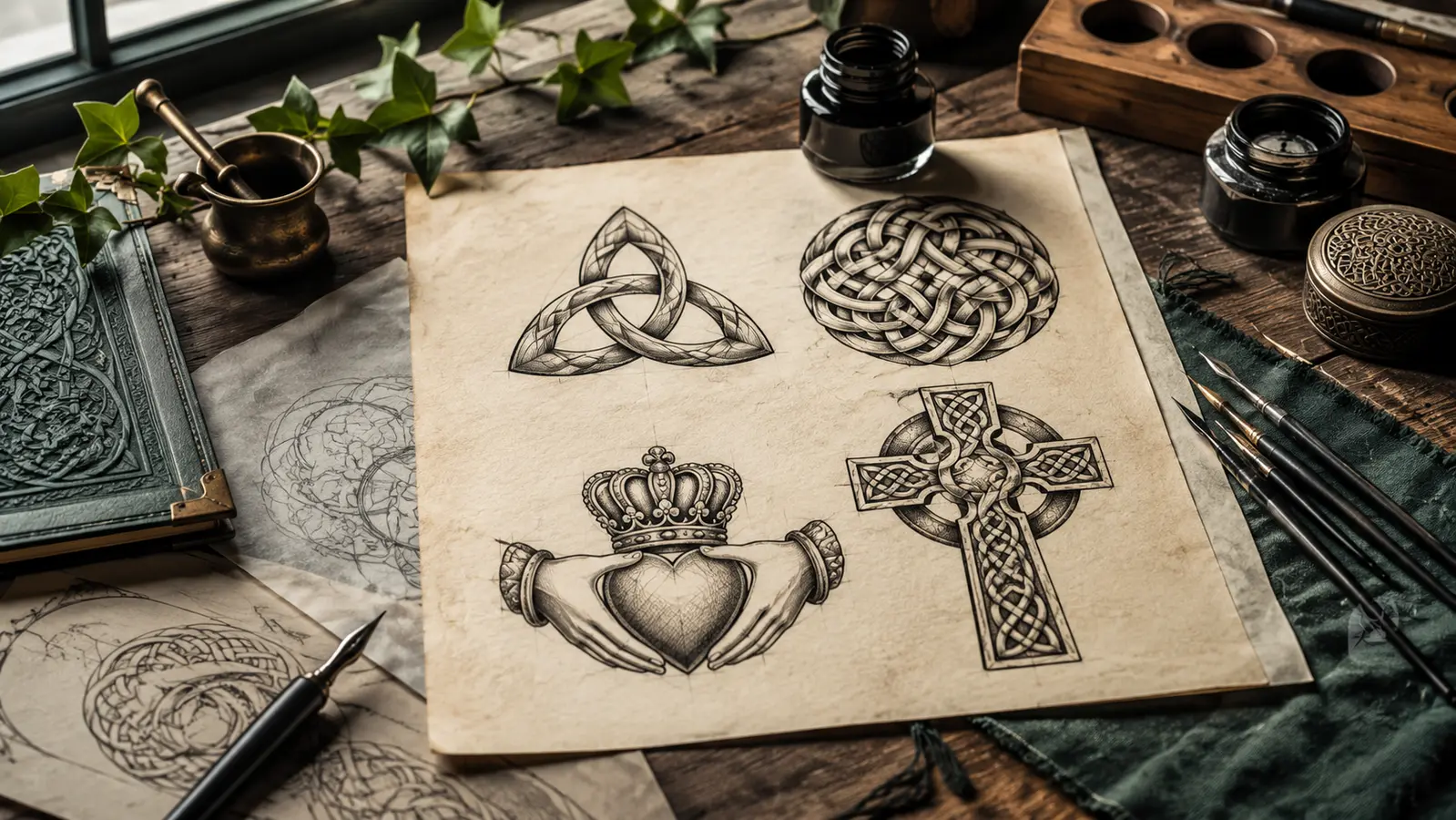
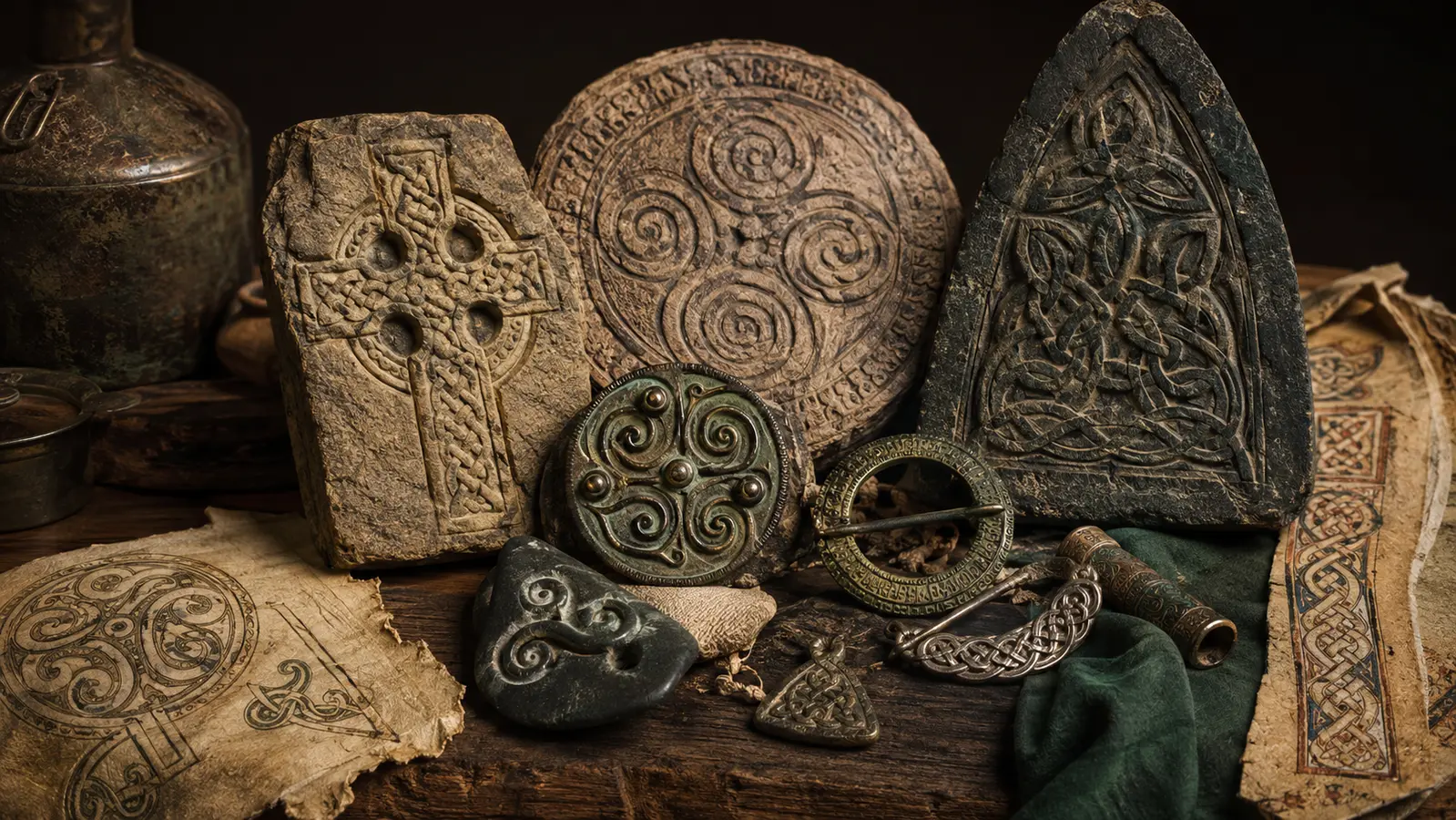
Celtic cultures often anchor legends in physical space. Hills, stones, and monuments act as memory keepers. This relationship between story and stone appears clearly in Celtic stone carvings, where symbolism outlives written records.
Storytelling, Symbolism, and Cultural Memory
Medb endures because her story adapts. Medieval scribes reshaped her legend. Oral storytellers emphasized drama and rivalry. Modern scholars and writers reinterpret her as a symbol of female power and resistance.
This adaptability mirrors other Celtic myths, such as the Cauldron of the Dagda, where abundance and authority intertwine. Fairy landscapes like the Fairy Glen reveal similar patterns of myth rooted in place and imagination.
Why Celtic Fairy Queen Medb Still Matters
Queen Medb remains relevant because she refuses simplicity. She embodies desire, leadership, and contradiction. Her story reminds us that Celtic mythology does not offer gentle fantasy alone. It confronts power directly.
For modern readers, Medb opens a gateway into deeper Celtic understanding. She shows how myth preserves cultural truths that history alone cannot record.