

Scottish Quaich (Drinking Cup): The Cup That Carries Friendship

Few objects in Scottish culture hold as much quiet meaning as the quaich. Small, shallow, and handled with care, this traditional drinking cup represents welcome, trust, and shared humanity. While it may appear simple, the quaich carries centuries of social and ceremonial weight.
In Scotland, the act of sharing a drink often matters more than the drink itself. The quaich exists to honor that moment.
What Is a Scottish Quaich?
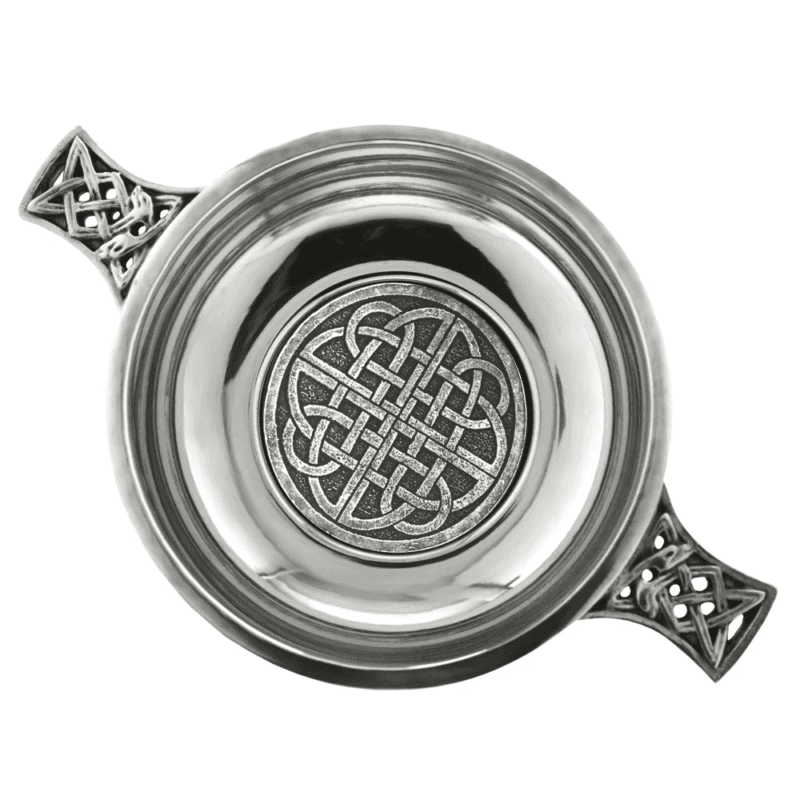
A quaich is a traditional Scottish drinking cup, usually crafted from wood, silver, or pewter. It features two horizontal handles, known as lugs, which require the drinker to use both hands.
This design matters. When someone holds a quaich, they cannot carry a weapon at the same time. The cup therefore signals peace, trust, and goodwill from the very first gesture.
Scottish material culture often embeds meaning into form, much like the symbolism found in Celtic stone carvings across the Highlands.
Origins and Early History
The word quaich comes from the Scottish Gaelic “cuach,” meaning cup. Early examples date back to the medieval period, when Highland communities used wooden bowls for communal drinking.
Craftsmen later refined the design. They introduced silver mounts and engraved clan motifs. These details transformed the quaich from a household object into a ceremonial one.
Clan identity played a strong role here, reflecting the same lineage-based culture explored in how many Scottish clans.
The Symbolism Behind the Two Handles
The two handles define the quaich. They force balance and intention. One cannot rush the moment.
When a host offers a quaich, they invite equality. Both hands meet the cup. Both people meet as equals.
This symbolic restraint mirrors other Scottish traditions rooted in respect and shared space, including communal music and dance discussed in ceilidh bands.
The Quaich in Ceremonies and Modern Life
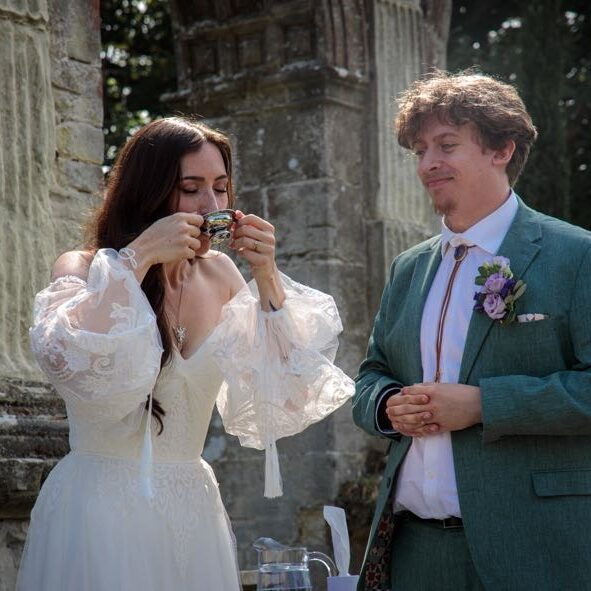
Today, the quaich appears in weddings, graduations, clan gatherings, and state occasions. Couples often share a quaich during Scottish wedding ceremonies to mark unity and mutual trust.
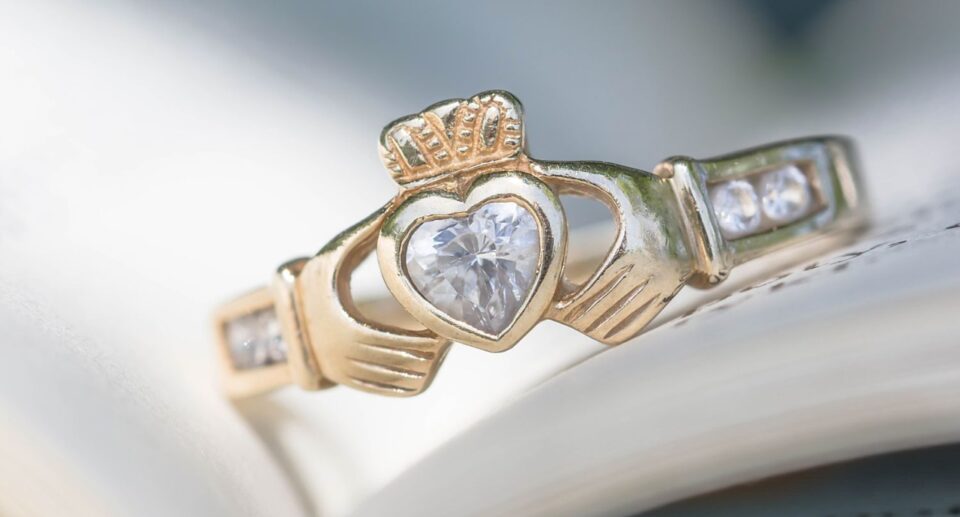
It also appears in diplomatic settings. Leaders exchange quaichs as symbols of goodwill, much like other culturally charged objects such as the Claddagh ring in Irish tradition.
Despite modern materials and designs, the meaning remains unchanged.
Materials and Craftsmanship
Traditional quaichs often use hardwoods such as oak or maple. Silver and pewter versions gained popularity among nobility and ceremonial hosts.
Oak, in particular, carries deep Celtic symbolism tied to strength and endurance, themes explored further in the Celtic oak tree.
Modern artisans continue this craft, blending ancient forms with contemporary engraving and personalization.
The Quaich and Highland Hospitality
Hospitality defines Highland culture. The quaich embodies this value in physical form.
Offering a quaich means more than offering a drink. It means offering safety, conversation, and mutual respect. This cultural emphasis on shared moments echoes throughout Scottish life, from music to landscape traditions found in places like Isle of Mull.
The quaich does not dominate the table. It invites people around it.
Why the Quaich Still Matters
In a fast-moving world, the quaich asks people to pause. It slows the moment. It encourages eye contact and shared intention.
This is why the quaich endures. It does not rely on spectacle. It relies on meaning.
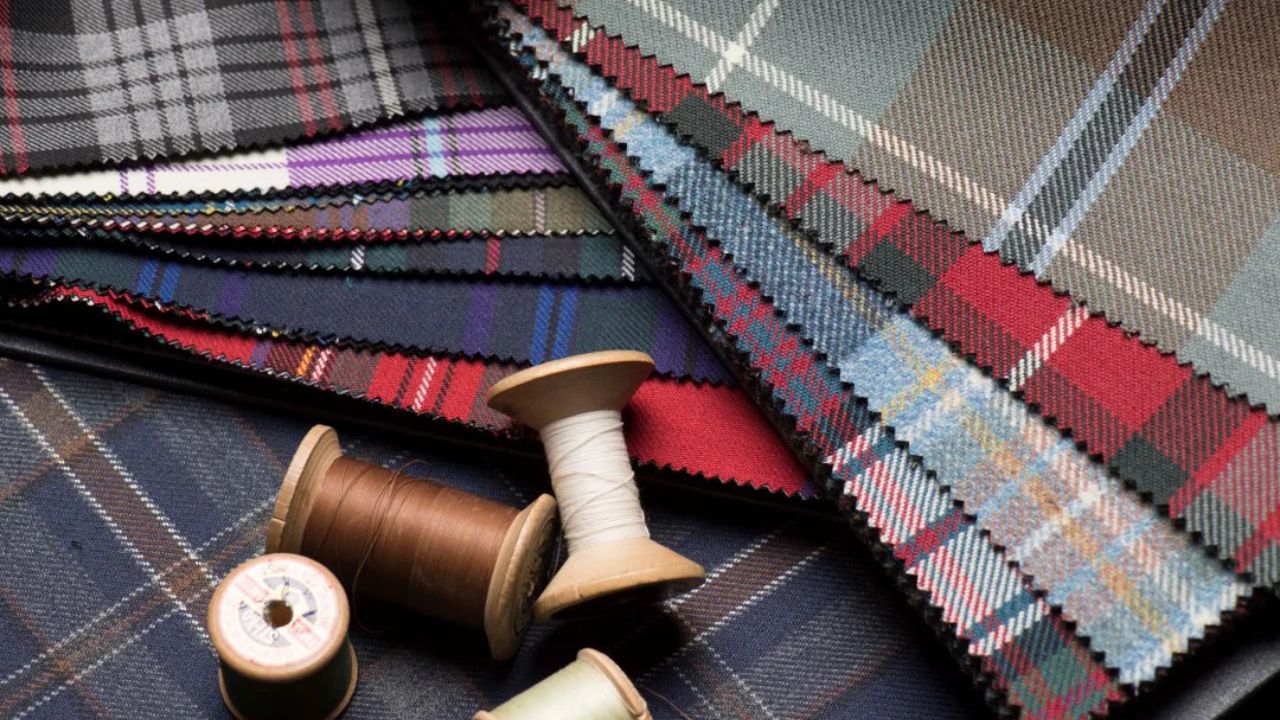
Scottish culture consistently preserves objects that speak quietly but clearly, much like the enduring appeal of tartan explored in what is tartan.
A Cup That Holds More Than Drink
The Scottish quaich carries history in its curve and meaning in its grip. It reminds us that friendship requires intention, and hospitality requires trust.
In Scotland, that lesson often begins with a cup held in two hands.