

Irish Claddagh Symbols in Jewelry: Meaning, Memory, and Identity
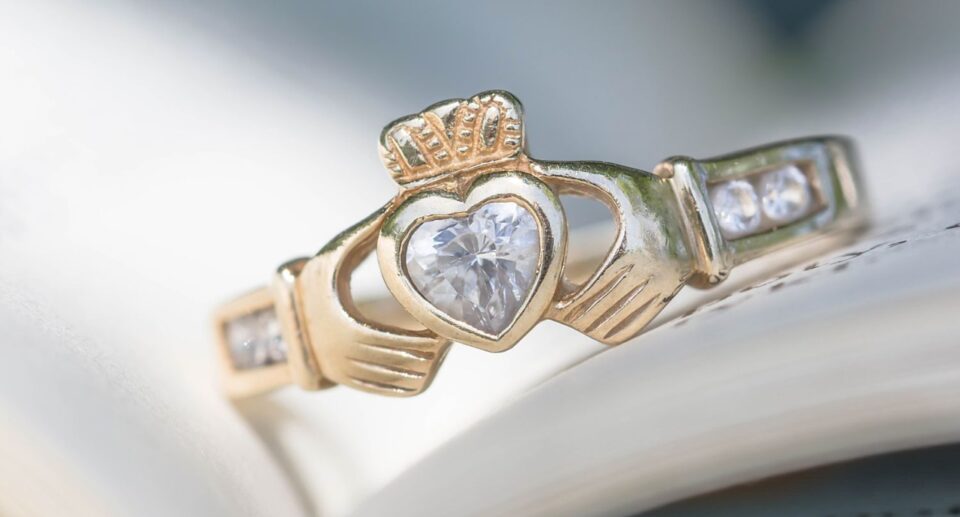
Few symbols in Irish culture speak as clearly as the Claddagh. Simple in form yet rich in meaning, this emblem has travelled centuries, crossing borders and generations. Today, it appears most often in jewelry, worn not merely for beauty, but for belonging.
To understand Claddagh jewelry is to understand how Irish culture encodes values into objects meant to last.
Origins of the Claddagh Symbol
The Claddagh symbol emerged in the fishing village of Claddagh, near Galway, during the seventeenth century. Its design remains consistent: two hands holding a heart, crowned above.
Each element speaks plainly. The heart represents love. The hands signify friendship. The crown stands for loyalty.
Irish culture values storytelling, even through symbols. This visual language reflects the same narrative instinct explored in why Irish people are natural storytellers, where meaning travels through form rather than excess words.
The Meaning Behind Each Element
Claddagh jewelry succeeds because it communicates instantly.
The heart expresses emotional commitment without exaggeration. The hands ground that emotion in trust and mutual respect. The crown elevates both through fidelity and duty.
Together, they form a moral triangle. Love does not exist alone. It thrives through loyalty and friendship.
This layered symbolism mirrors other Irish cultural objects, such as ceremonial items discussed in the significance of Saint Patrick’s Day, where symbols serve both personal and communal roles.
Claddagh Rings and How They Are Worn
Claddagh rings carry additional meaning through how the wearer positions them.
On the right hand with the heart facing outward, the ring signals openness. Turn the heart inward on the same hand, and it suggests a relationship. Move it to the left hand, and the meaning deepens toward commitment or marriage.
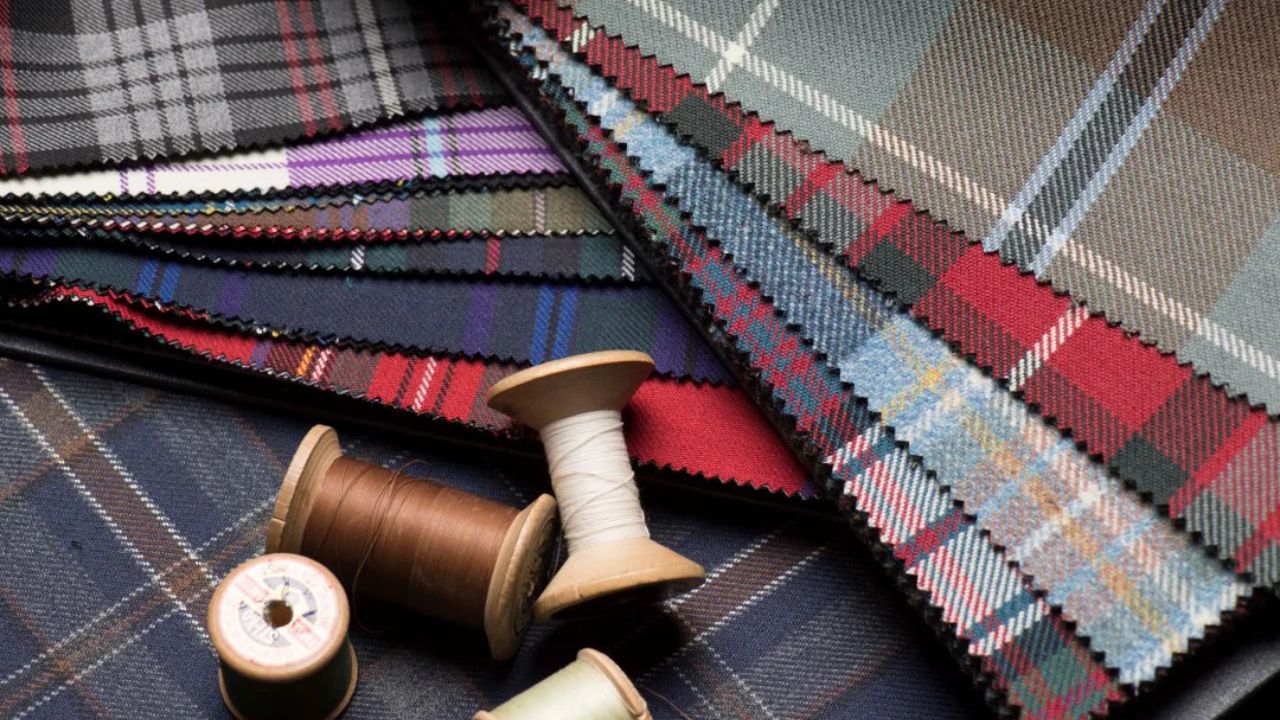
These customs remain widely practiced, especially among the Irish diaspora. They preserve cultural identity in daily life, much like tartan does in Scotland, as explained in what is tartan.
Beyond Rings: Claddagh in Modern Jewelry
While rings dominate popular understanding, Claddagh symbols now appear in pendants, bracelets, earrings, and brooches. Jewelers adapt the motif carefully, respecting its form while allowing stylistic variation.
This evolution reflects a broader pattern seen in Celtic material culture. Traditional symbols adapt without losing their core meaning. One finds a similar balance in heritage fashion pieces discussed in Scottish tartan shawls.
Modern Claddagh jewelry allows wearers to carry tradition in subtle, personal ways.
Cultural and Emotional Significance Today
Claddagh jewelry often marks moments of transition. People gift it at weddings, anniversaries, and departures. Irish emigrants historically carried Claddagh rings as reminders of home, especially during periods of hardship such as those described in the influence of the Irish Potato Famine.
In this way, the Claddagh functions as both ornament and anchor. It ties identity to memory.
Why the Claddagh Endures
The endurance of Claddagh symbols rests in clarity. The message remains universal, yet culturally specific. It avoids ornamentation for ornament’s sake. Instead, it privileges meaning.
Irish culture consistently favors this approach, whether in folk music, language, or mythic symbolism. One sees this restraint echoed in sacred artifacts and stories tied to places such as the Hill of Tara.
The Claddagh does not shout. It speaks steadily.

A Symbol That Continues to Speak
Irish Claddagh symbols in jewelry remind us that cultural values can live in small, wearable forms. Love, loyalty, and friendship do not require explanation when symbol and tradition align.
In an age of fleeting trends, the Claddagh remains steady. It endures because it means something and always has.