Scottish Lairds and Estates

Who Were the Scottish Lairds?
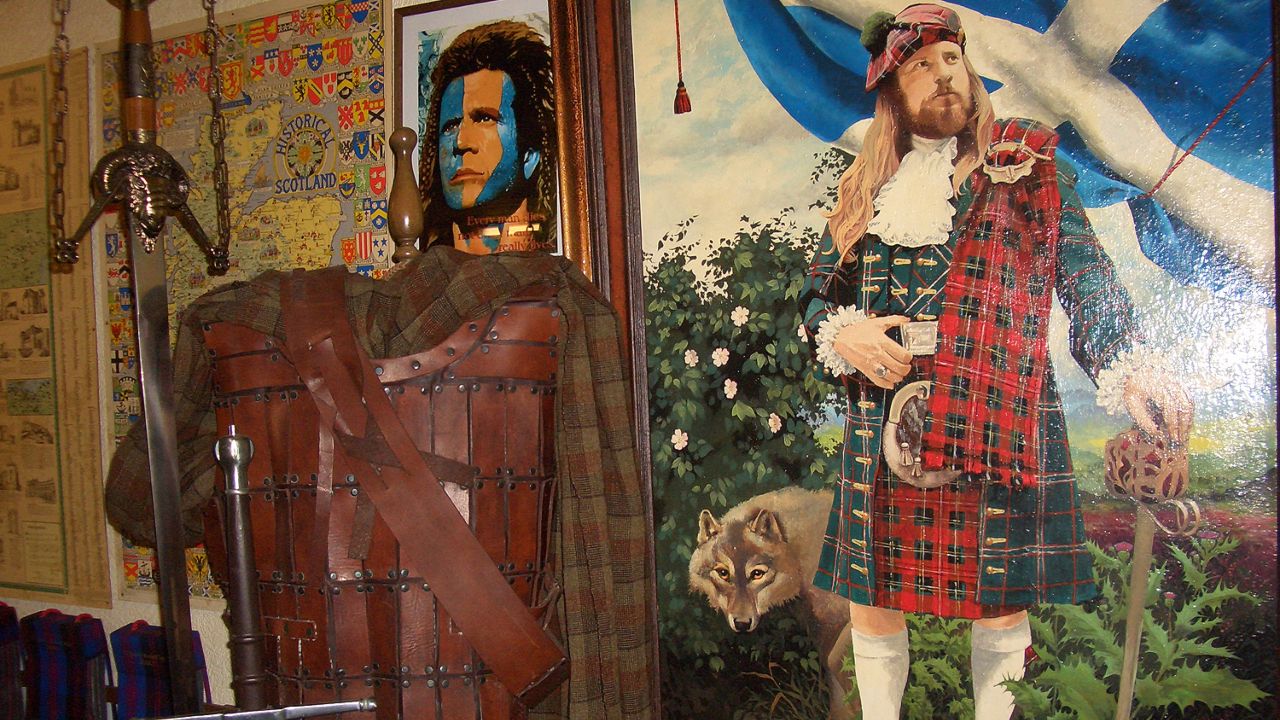
When you hear the word laird, it might conjure images of tartan-clad nobles surveying misty glens from their stone towers. While that’s not far from the truth, the role of a laird was more complex.
A laird was the owner of a large estate in Scotland, often holding influence similar to minor nobility. Unlike titled peers, lairds derived their power from landownership, a concept deeply tied to Scottish identity and clan structure.
For context, clans (see our guide on how many Scottish clans exist) often rallied around lairds as both landlords and local leaders.
🌿 The Estate: More Than Just Land
An estate was more than rolling hills and castles, it was a microcosm of Scottish life. Estates provided:
- Agricultural wealth: farming, livestock, and later, sheep for tartan weaving.
- Social structure: lairds offered protection and justice, while tenants worked the land.
- Cultural spaces: estates often hosted gatherings, music, and celebrations echoing the rhythms of Celtic traditions.
The estate system also shaped the lives of crofters, whose struggles during the Highland Clearances remain central to Scotland’s social history.

📜 Lairds in History and Society
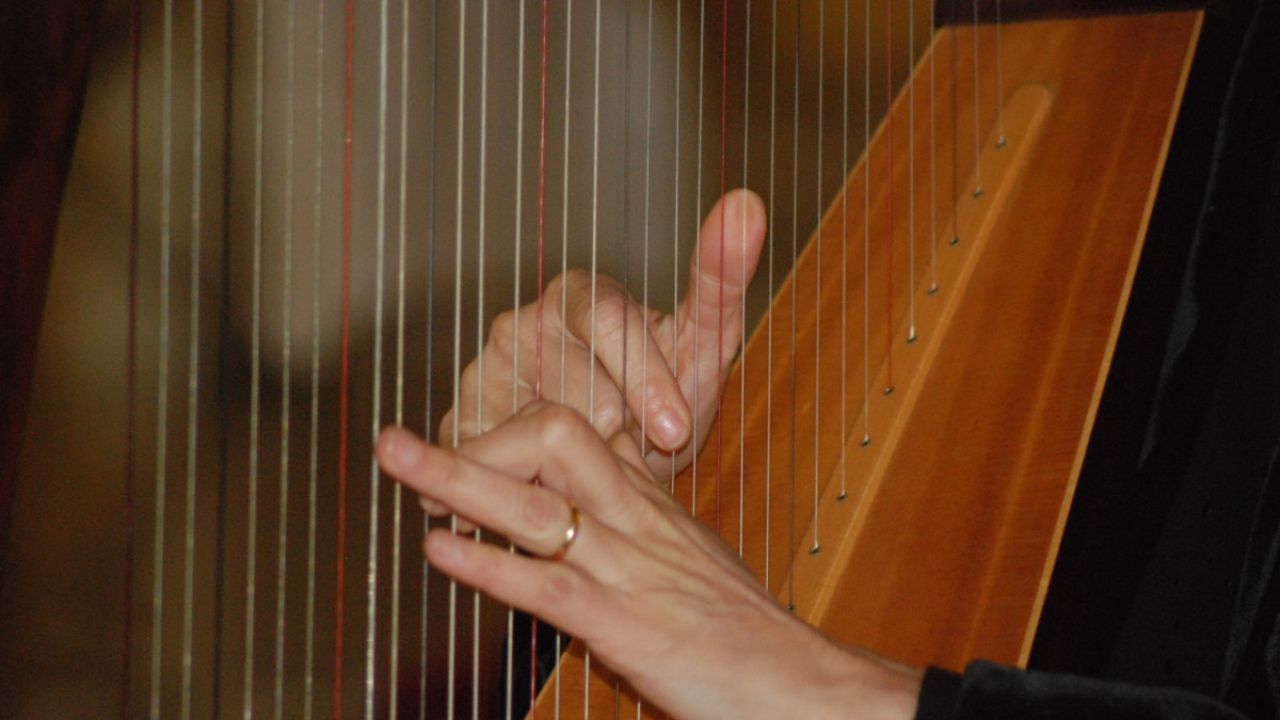
The influence of lairds peaked between the 16th and 19th centuries. Their estates symbolized wealth, status, and authority. Many lairds became patrons of the arts supporting musicians, poets, and storytellers, much like the role of the clarsach harp in Gaelic culture.
But power had its tensions. During the Highland Clearances, some lairds displaced tenants to make way for more profitable sheep farming. This painful chapter mirrors the hardships caused by the Irish Potato Famine, where economics reshaped lives and landscapes.

🏡 The Legacy of Lairds Today
While modern lairds no longer wield feudal authority, their estates still shape Scotland’s cultural and natural heritage. Many historic homes have become museums, heritage sites, or even hotels, allowing visitors to walk in the footsteps of history.
For travelers, exploring estates can feel as enchanting as visiting the Fairy Glen or wandering across the Isle of Mull. They embody both the grandeur and the challenges of Scotland’s past.

🌍 Why Scottish Lairds and Estates Matter
Scottish lairds and estates remind us that history is written not only in battles and parliaments but in the daily lives of communities tied to the land. They are a lens into:
- Clan leadership and kinship structures.
- Economic power based on land and agriculture.
- Cultural traditions, from tartan to storytelling.
In essence, the laird’s estate was a stage where Scottish identity, political, social, and artistic played out.
🏞 Final Thoughts
The story of Scottish lairds and estates is one of both grandeur and hardship. From majestic castles overlooking lochs to small crofting communities on windswept moors, these estates reveal the intricate ties between land, power, and people.
If you want to dive deeper into Scotland’s cultural tapestry, explore our guides on tartan history, Scottish clans, or the Celtic oak tree.