Scottish Knitting Traditions: Threads of Heritage and Identity
Introduction: More Than Just Wool and Needles
Knitting in Scotland is not simply a pastime; it is a language of heritage. Each stitch carries a story, each pattern whispers of clan identity, and each sweater is a woven chronicle of resilience. Much like tartan, knitting became a way for Scots to embody both artistry and belonging. From windswept isles to highland glens, knitting has kept hands busy, families warm, and traditions alive.

Origins of Knitting in Scotland
The earliest traces of knitting in Scotland date back to the late Middle Ages, though it flourished during the 16th and 17th centuries. Fishermen’s families, especially in coastal communities, developed unique stitch patterns not merely for decoration but as practical identifiers, useful if tragedy struck at sea.

These motifs were as symbolic as Celtic stone carvings, transforming everyday clothing into cultural markers.
Fair Isle Knitting: Scotland’s Iconic Style
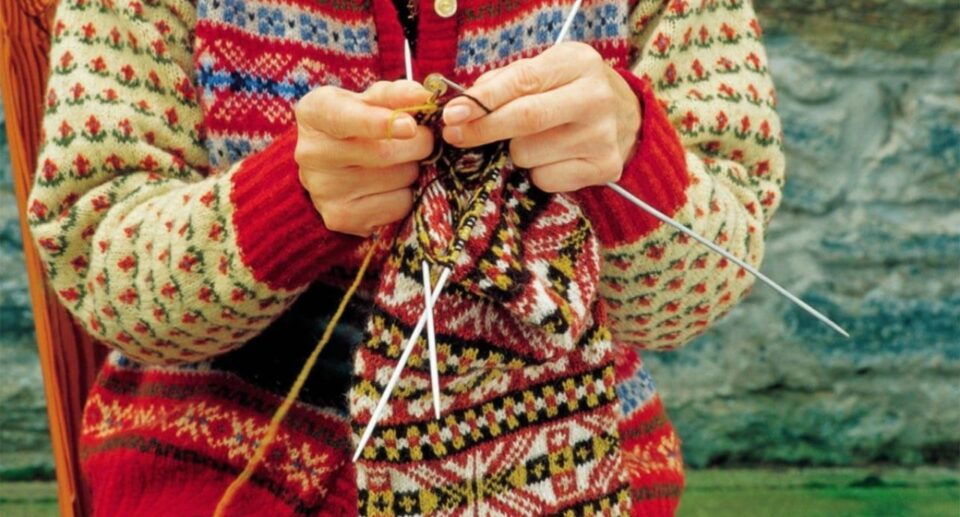
When one thinks of Scottish knitting, Fair Isle immediately comes to mind. Originating from the Shetland Islands, this technique uses multiple colors to create intricate, repeating patterns. The style became internationally famous after the Prince of Wales (later Edward VIII) wore Fair Isle jumpers in the 1920s.
Fair Isle knitting is more than fashion, it is geography and culture, stitched into fabric. It shares the same cultural weight as the tam o’ shanter hat, a symbol of Scottish identity woven in wool.

Knitting, Clans, and Community
Just as Scottish clans are tied to tartans, certain regions were associated with distinctive knitting motifs. These designs were taught within families, passed down like oral traditions or Gaelic proverbs.
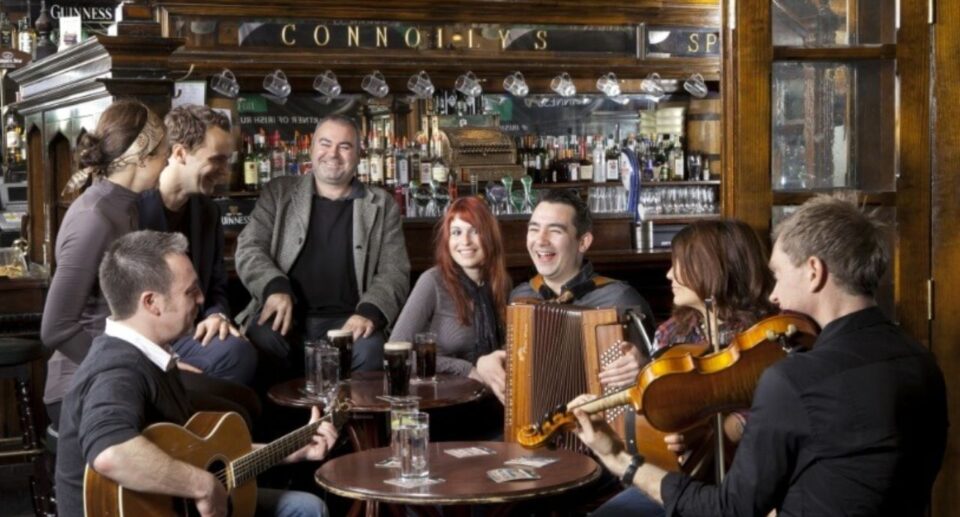
Knitting circles also provided spaces of community, echoing the same social role that Irish pubs played in storytelling and music, though here, the rhythm was the clicking of needles.

Knitting as Economy and Survival
In rural Scotland, knitting was more than cultural, it was economic survival. Islanders of Shetland and the Outer Hebrides relied on the sale of hand-knitted goods, particularly during the 18th and 19th centuries. Exports of Shetland lace, with its feather-light yet intricate stitches, became highly sought after across Europe.
This resilience mirrors the strength of the Celtic oak tree—rooted, enduring, and symbolic of survival through harsh conditions.

The Symbolism in Stitches
Scottish knitting motifs are often geometric, drawing inspiration from nature and landscape. Diamonds, waves, and cables are not merely decorative, they symbolize fishing nets, ocean waves, and ropes of survival. Like the myths of selkies in folklore, they weave sea and story into every garment.

Knitting in Modern Scotland
Today, Scottish knitting traditions live on in both fashion and heritage preservation. Designers reinterpret Fair Isle for modern runways, while heritage knitters continue to craft sweaters that honor centuries of tradition. Much like Scottish tartan shawls, knitted garments remain timeless expressions of culture.

Conclusion: Threads That Bind Past and Present
Scottish knitting is a tradition where art, identity, and resilience intertwine. Every stitch is a tribute to heritage, much like the Highland Games celebrate athletic strength and culture. It is a craft that warms both body and memory, proof that Scotland’s stories are best told not only in words, but in wool.
To explore more of Scotland’s enduring cultural threads, visit our Culture & Tradition archives.