

Scottish Fur-Lined Boots: A Legacy of Warmth and Highland Craft
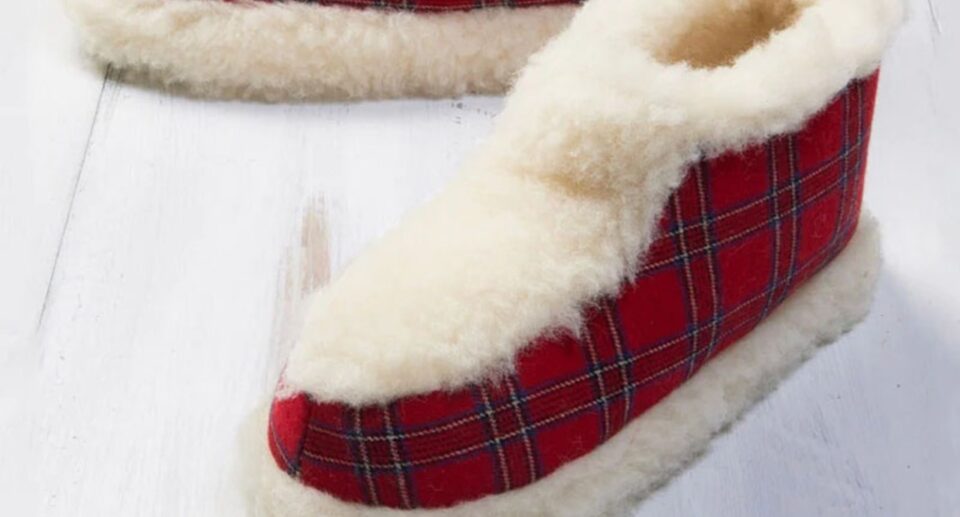
Scotland’s rugged landscape demands resilience, and its traditional clothing has always reflected that need. Among its most enduring winter essentials are the Scottish fur-lined boots, footwear born of necessity yet shaped by artistry. These boots combine the warmth of natural fur with the durability of Highland craftsmanship, creating a symbol of both practicality and pride.
Origins in the Highland Wilderness
The story of fur-lined boots in Scotland stretches back to the time when Highlanders braved freezing glens and mist-covered moors. Before industrial textiles, shepherds and crofters used fur, wool, and leather to create boots that offered insulation against the cold, wet climate.
Just as the Crofters’ journey through time tells of endurance and adaptation, so do these boots. They were crafted from local hides and lined with fur—often from rabbit, deer, or sheepskin—to trap heat during long treks across rugged terrain.
Function and Craftsmanship
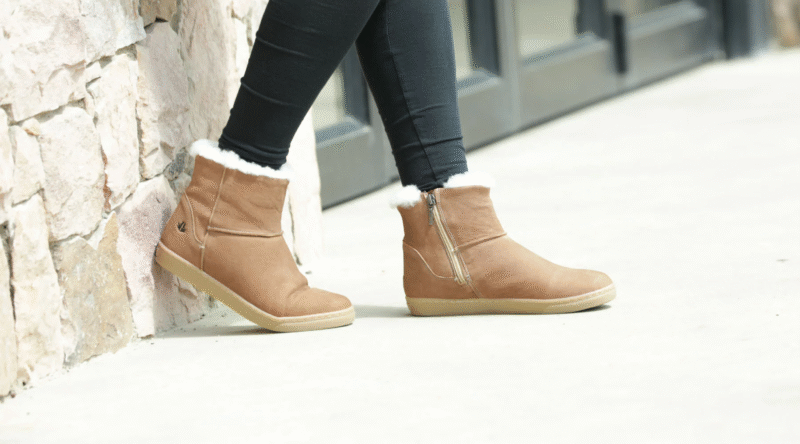
Scottish fur-lined boots are more than footwear, they are marvels of Highland craftsmanship. Each pair was hand-stitched, shaped to endure snow and bog, and treated with natural oils to resist dampness. The soles were reinforced for rocky paths, making them indispensable for travel across the Scottish Highlands.
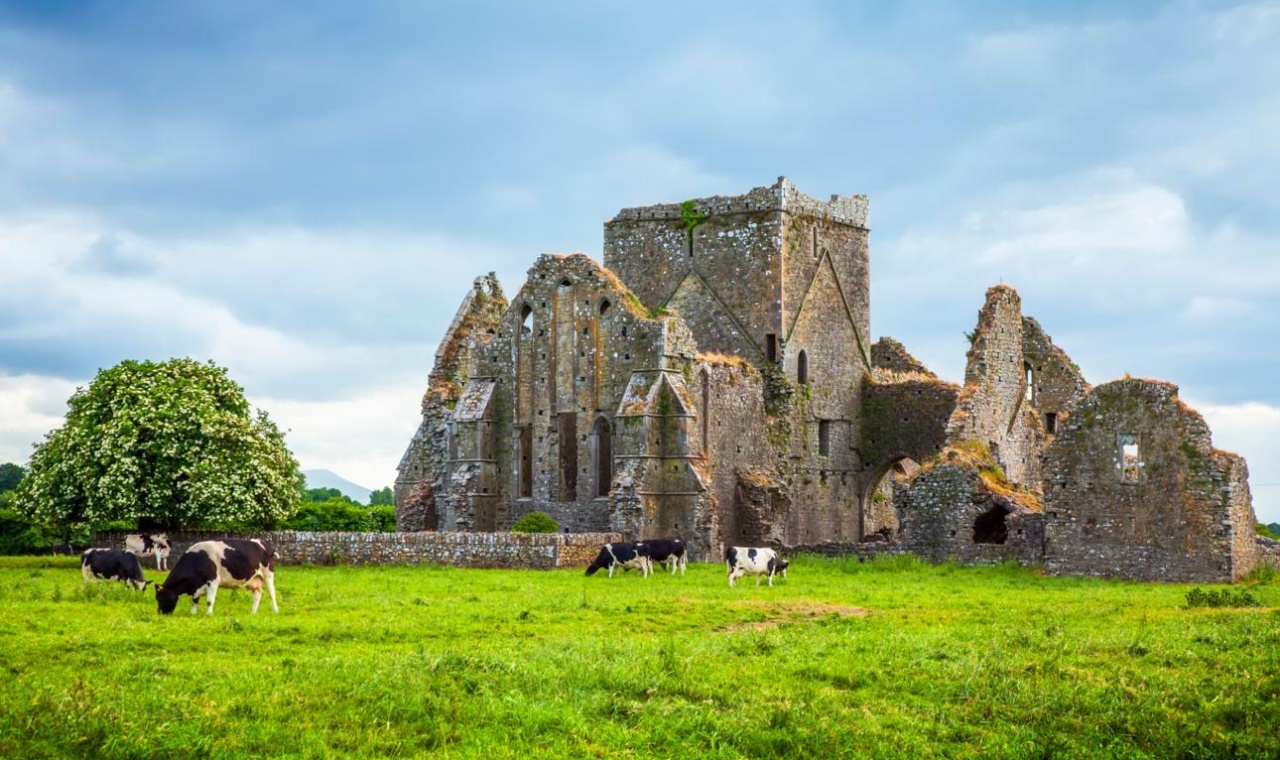
The attention to craft echoes the same devotion found in Celtic stone carvings—every curve and stitch carried intention and meaning. Even the materials spoke of self-sufficiency, sourced directly from Scotland’s land and livestock.
The Boots in Scottish Culture
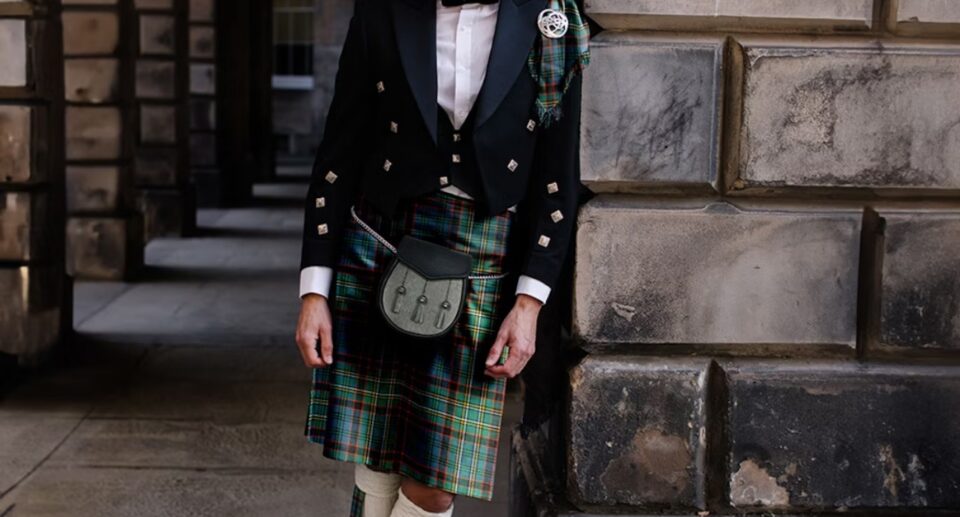
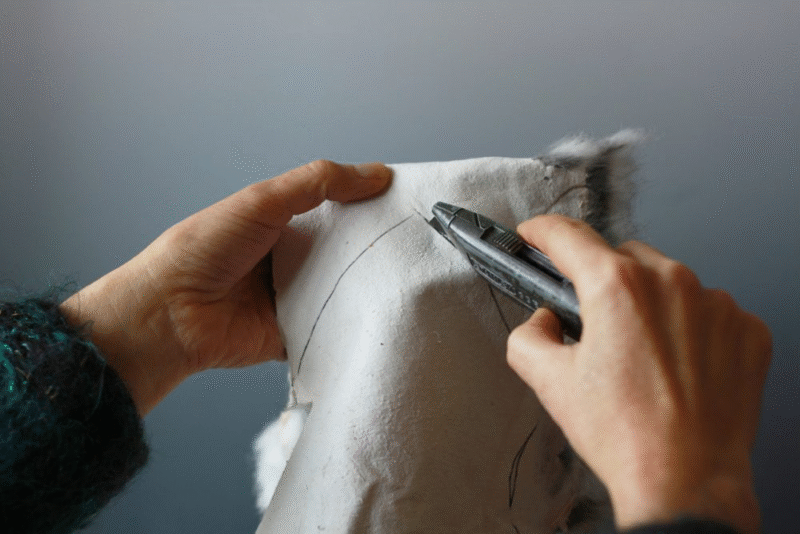
Historically, these boots weren’t merely for survival, they also became part of Highland identity. During harsh winters, clan members wore fur-lined footwear alongside kilts, plaids, and cloaks. In gatherings or during the Highland Games, finely made boots signified both practicality and pride.
Today, fur-lined boots appear in Highland-inspired fashion collections worldwide. Modern designs preserve their rugged look while incorporating eco-conscious materials and contemporary comfort. They’re no longer confined to the Highlands, they’ve become icons of Scottish heritage meeting modern style.

From Function to Fashion
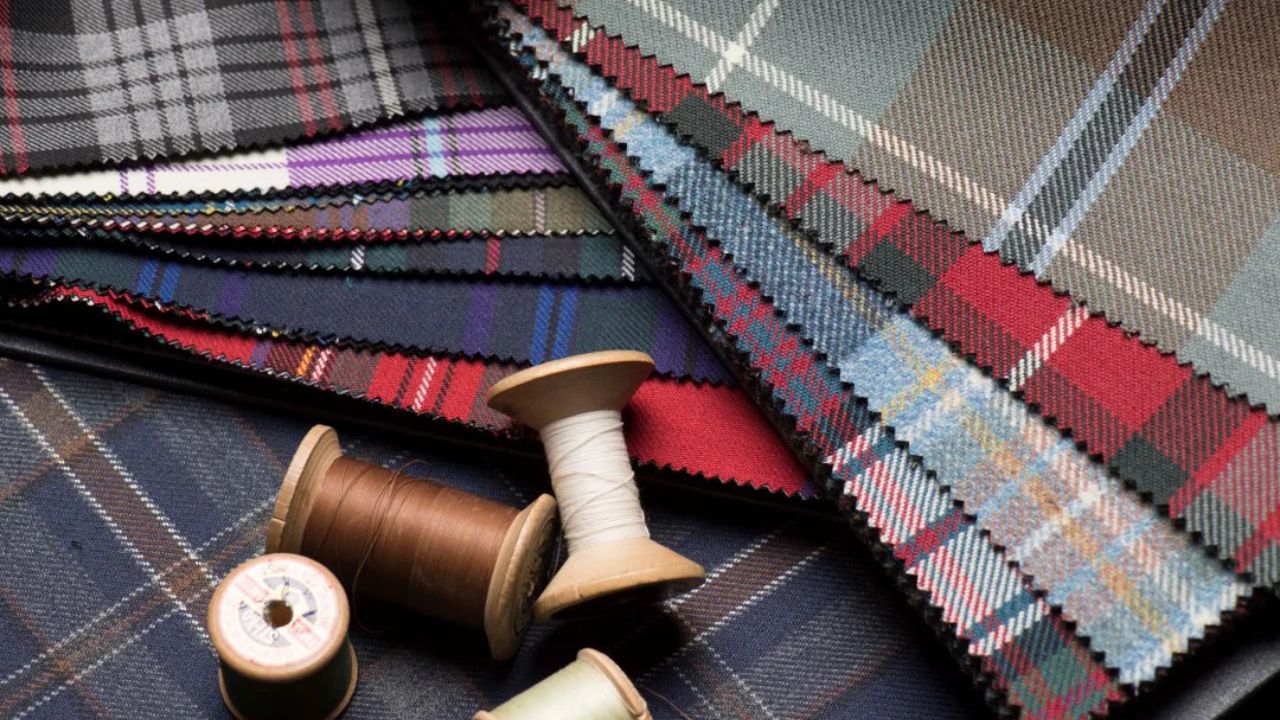
Just as tartan prints evolved over time from clan identifiers to global fashion icons, fur-lined boots followed a similar journey. Once made to endure snow and mud, they now appear in everyday wear, from city streets to winter festivals.
Their timeless blend of comfort and craftsmanship continues to attract designers who appreciate the rugged elegance of Highland wear. The boots remain a testament to Scotland’s balance between beauty and resilience.
Cultural Echoes and Modern Appeal
In today’s fashion world, heritage design has found a strong revival. Fur-lined boots, once humble winter gear, now reflect the sustainable ethos of traditional Scottish living. Their story connects with the broader Celtic idea of harmony with nature, a theme you’ll also find in our piece on the Celtic oak tree, symbolizing strength and endurance.
The Scottish Highlands still inspire designers to merge the old and new, ensuring that even in modern wardrobes, echoes of the past remain alive.
A Timeless Piece of Scottish Identity
The Scottish fur-lined boot remains a cultural heirloom—practical, elegant, and deeply symbolic. It captures the Highland spirit of resilience and resourcefulness. Whether you’re walking the cobbled streets of Edinburgh or exploring remote glens, wearing them feels like stepping through Scotland’s living history.
If you’d like to explore more about Scottish fashion and heritage, visit our guide on tartan or learn about the artistry behind the Tam O’Shanter hat—both timeless expressions of Scottish identity.