Scottish Border Feuds Clothing Markings: Identity in a Time of Conflict

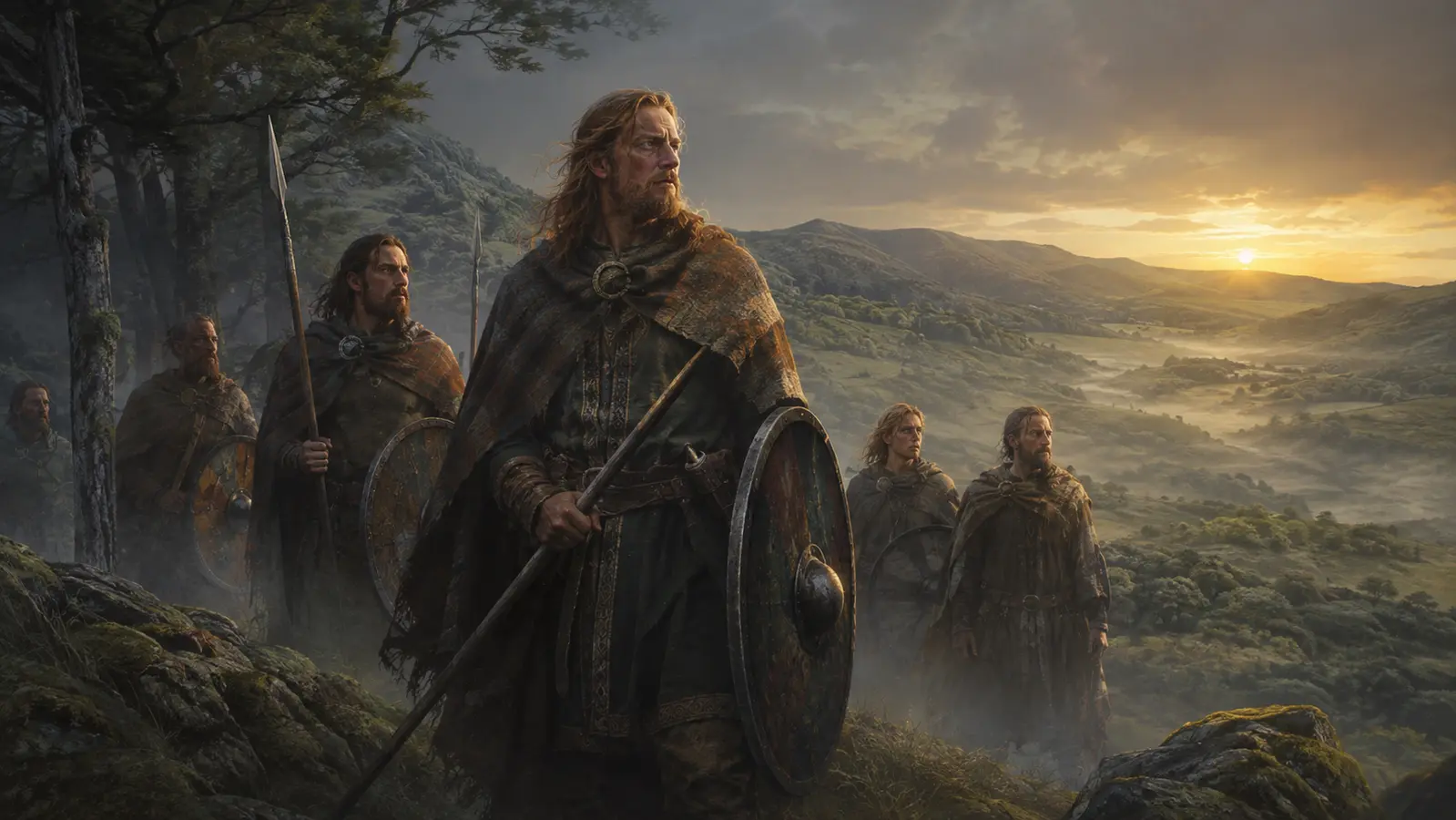
When we imagine the Scottish Borders, we often picture sweeping moors, stone towers, and families who lived by their wits. But during the height of the Border feuds, between the 13th and 17th centuries, clothing itself carried coded messages. These markings were simple, sharp, and full of meaning. They helped families identify allies, rivals, and intentions in a world shaped by raids, loyalties, and shifting alliances.
In this article, I’ll walk you through how people in the Borderlands used clothing to communicate in a landscape where a wrong signal could change everything.
Why Clothing Markings Mattered in the Borders
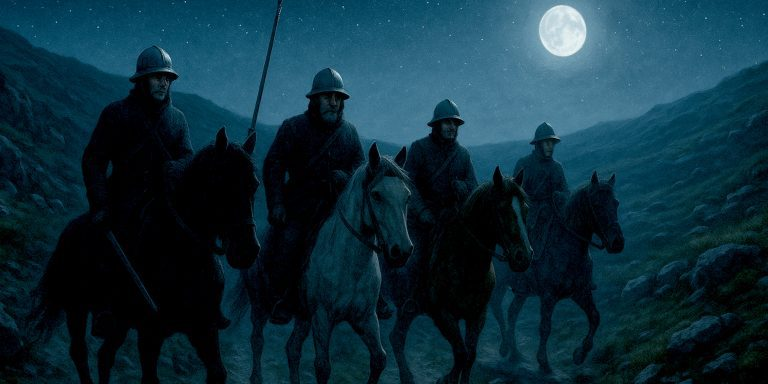
Daily life in the frontier between Scotland and England remained unpredictable. Border Reivers often moved at night, crossed rivers on horseback, and relied on quick recognition during raids. Clothing helped them signal clan identity, family allegiance, or intent without uttering a word.
These markings didn’t function like clan tartans today. If you want to explore tartan history, you can visit our detailed guide What Is Tartan?, or read how tartan evolved over time in How Long Has the Tartan Print Been Around?.
Instead, Borderers used practical items—sashes, badges, colours, stitching patterns that could shift quickly during tense seasons.
Common Clothing Markings Used in Feuding Times
1. Colours for Loyalty
Many Border families adopted specific colour combinations to mark their association. These colours might appear on:
- woollen caps
- leather jerkins
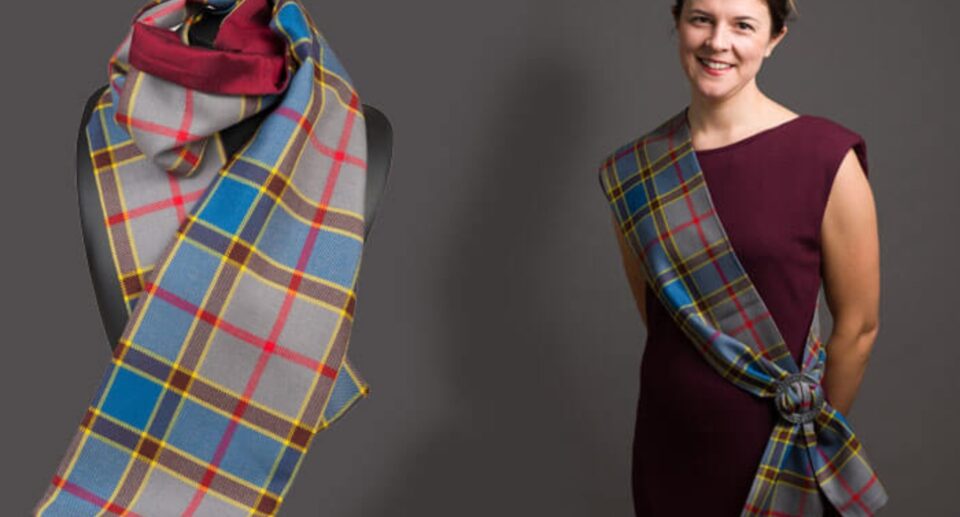
- simple cloth sashes
- sleeve bands
These colours changed over generations, so they never became formal tartans.
2. Stitched Symbols
Small stitched shapes: crosses, knots, or geometric lines, helped riders recognise each other in fast-moving situations. These symbols were not decorative; they were strategic.
3. Rough-Woven Stripes
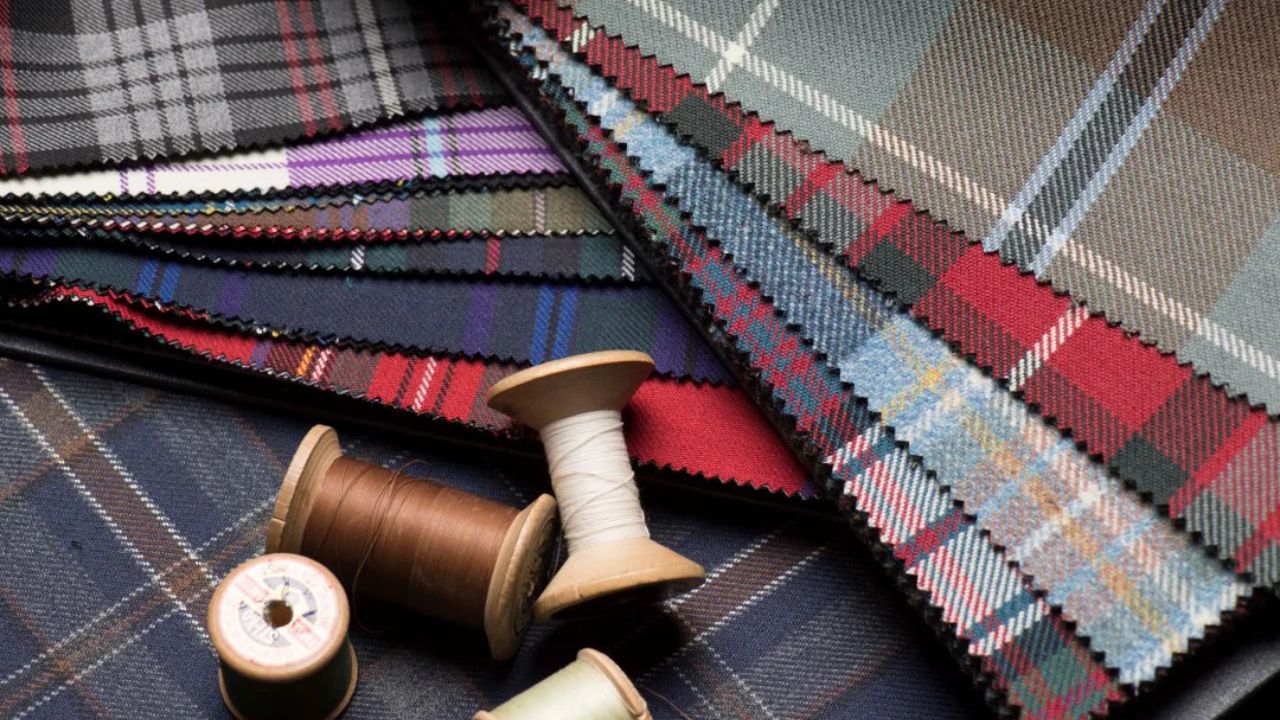
Some clans wore woven stripes or checks. They weren’t clan tartans, but they acted as quick identifiers. Their purpose felt closer to battlefield markers than fashion.
4. Clothing Damage (Deliberate Teasing Cuts)
A few families marked themselves by tearing a small notch into their cloak edge or sleeve. These notches acted like an oath, showing readiness for conflict.
5. Metal Badges and Tokens
Badges made from tin, pewter, or iron often signaled allegiance to a particular leader or family. They were easy to swap or hide, which mattered when alliances changed overnight.

Border Clothing vs. Highland Clothing
Unlike Highland society, which later developed structured clan tartans and symbolic dress, Border families preferred practicality. Their clothing served movement, riding, and survival.
Yet the Borders still shared a sense of identity that ran deep. If you’re exploring the contrast between Highland and Lowland dress, guides like How Many Scottish Clans Are There? or accessory guides like Tam O’Shanter Hat help build the wider picture of Scottish regional styles.
Markings as Signals During Raids
During a raid, a “ride” in local terms recognition became vital. Markings indicated:
- intent (peaceful visit or potential hostility)
- family loyalty
- safe passage inside certain territories
- leadership within the riding group
The wrong marking could spark instant conflict. Border families understood this risk well. Their clothing carried more weight than an accessory, it carried survival.
Why Border Feud Markings Still Fascinate Us Today
These markings offer a rare look at how culture forms under pressure. They remind us that fashion is not just aesthetic, it can be deeply tied to identity, fear, belonging, and resilience.
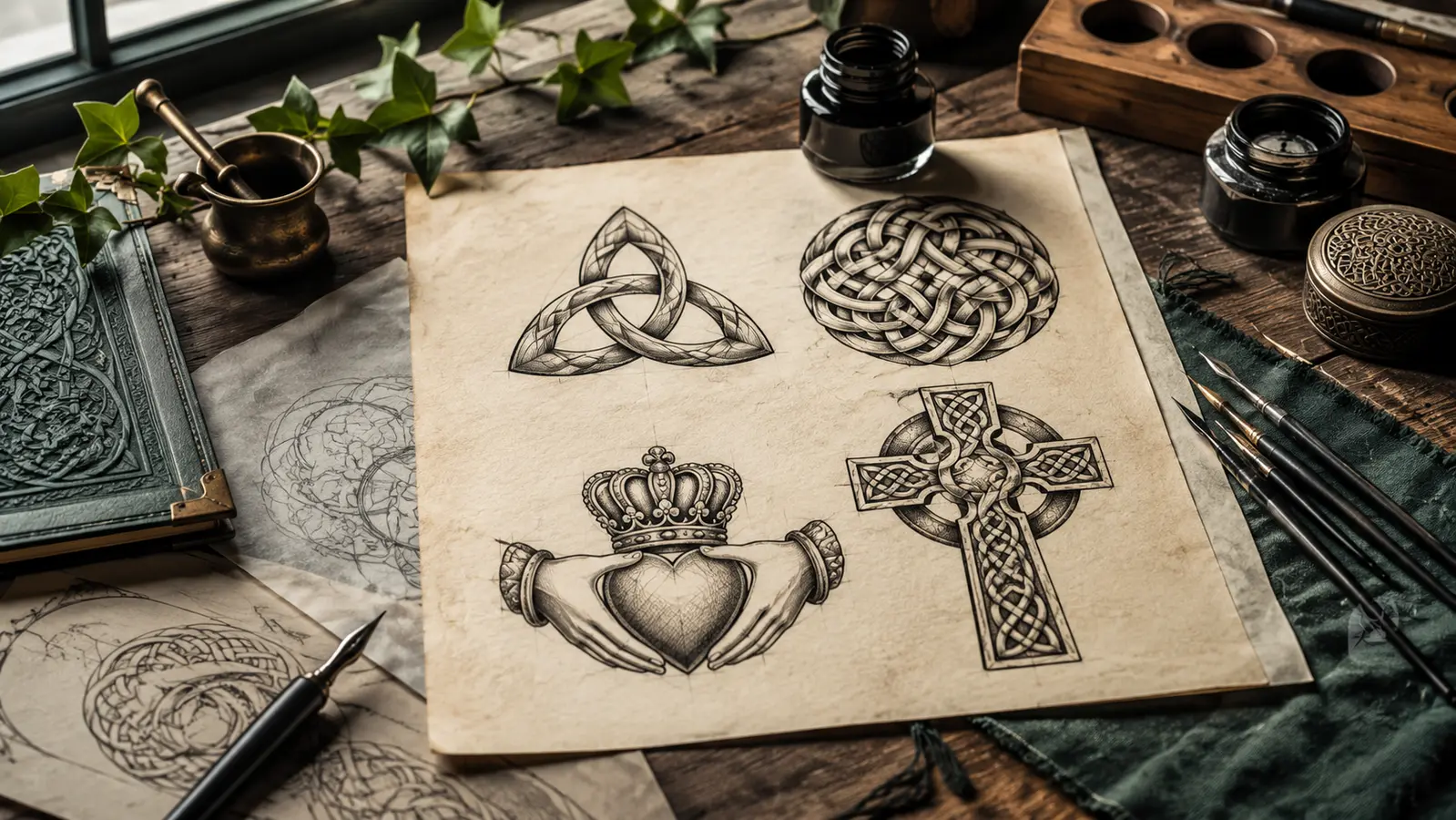
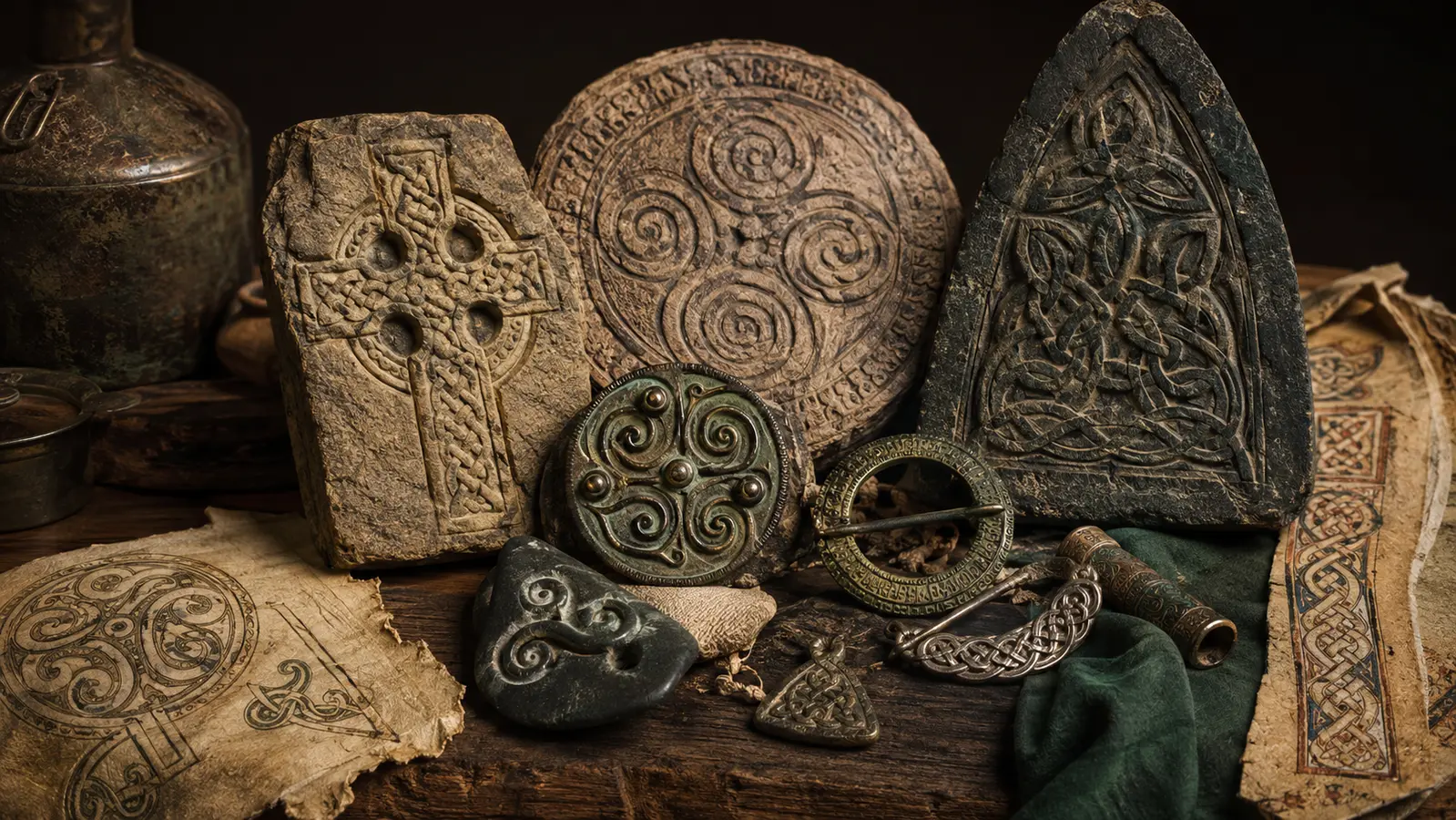
If Celtic symbolism interests you, articles such as Celtic Stone Carvings or mythic symbols like The Celtic Sun God Lugh may help you explore how groups expressed meaning across different eras.
Border feud clothing markings also echo the storytelling traditions that still define the region. For a broader picture of how Celtic cultures kept history alive, visit Why Irish People Are Natural Storytellers.
A Glimpse of the Borders Today
Today, Border festivals, reenactments, and riding traditions help people reconnect with this dramatic past. The clothing now celebrates heritage rather than signalling danger. It offers a window into how communities navigated one of the most turbulent frontiers in Europe.
For more journeys into Scottish and Celtic culture, explore the full CeltGuide blog.