Scottish Bagpiper’s Waistcoat: A Timeless Piece of Highland Dress
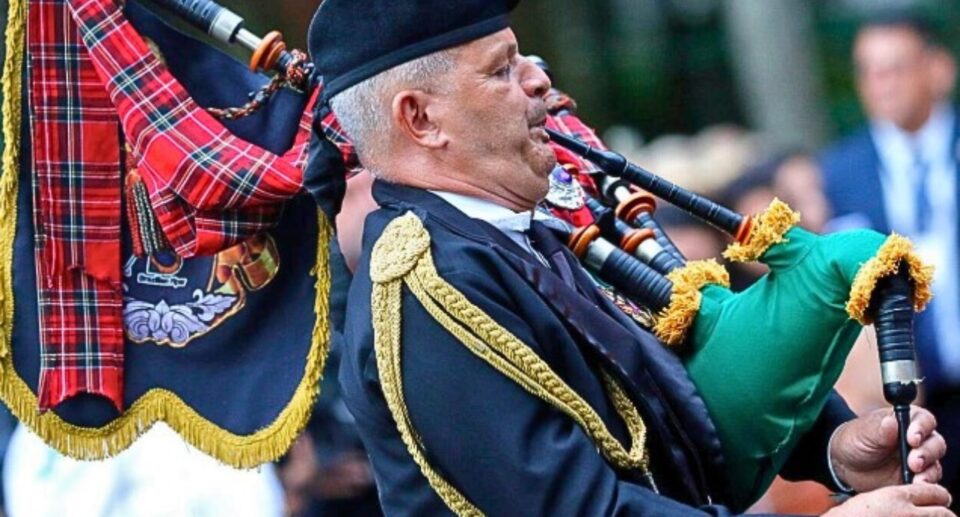
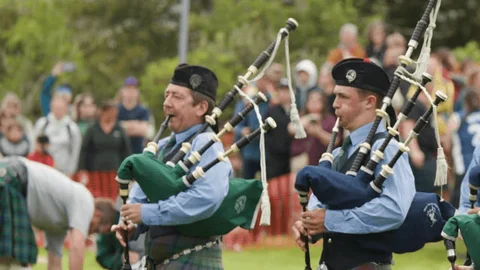
The Scottish bagpiper’s waistcoat holds a special place in Highland dress. Whether you see a piper performing at a wedding, leading a parade, or standing proudly at a Highland Games arena, the waistcoat anchors the entire outfit with structure, elegance, and tradition. Its role goes far beyond simple clothing. This fitted garment reflects centuries of Scottish identity, craftsmanship, and pride.
A Brief Look at Its Origins
The waistcoat entered Scottish Highland dress during the 18th century, around the same period that tartan became a deeply recognized symbol of clan identity. If you want to explore the roots of tartan itself, you can read more in our guide on What Is Tartan? and How Long Has the Tartan Print Been Around?.
While everyday Highlanders once wore simple shirts and jackets, pipers, especially military pipers, adopted tailored waistcoats to create a polished and commanding appearance. Over time, the waistcoat became inseparable from piping attire.
Why Bagpipers Wear a Waistcoat
A waistcoat might seem like a small accessory, but pipers rely on it for several reasons:
1. Structure and Fit
It brings the outfit together and gives the upper body a clean, balanced silhouette.
2. Functionality
Pipers move constantly. A waistcoat keeps the shirt in place and prevents fabric from interfering with the bag and chanter.
3. Tradition
Just like the story-rich symbols found in Celtic art (Celtic Stone Carvings), the waistcoat carries cultural meaning tied to formality and respect.
Design Features That Make It Unique
Although waistcoats vary slightly between pipe bands and regions, most share core elements that define their iconic look.
• Material Choice
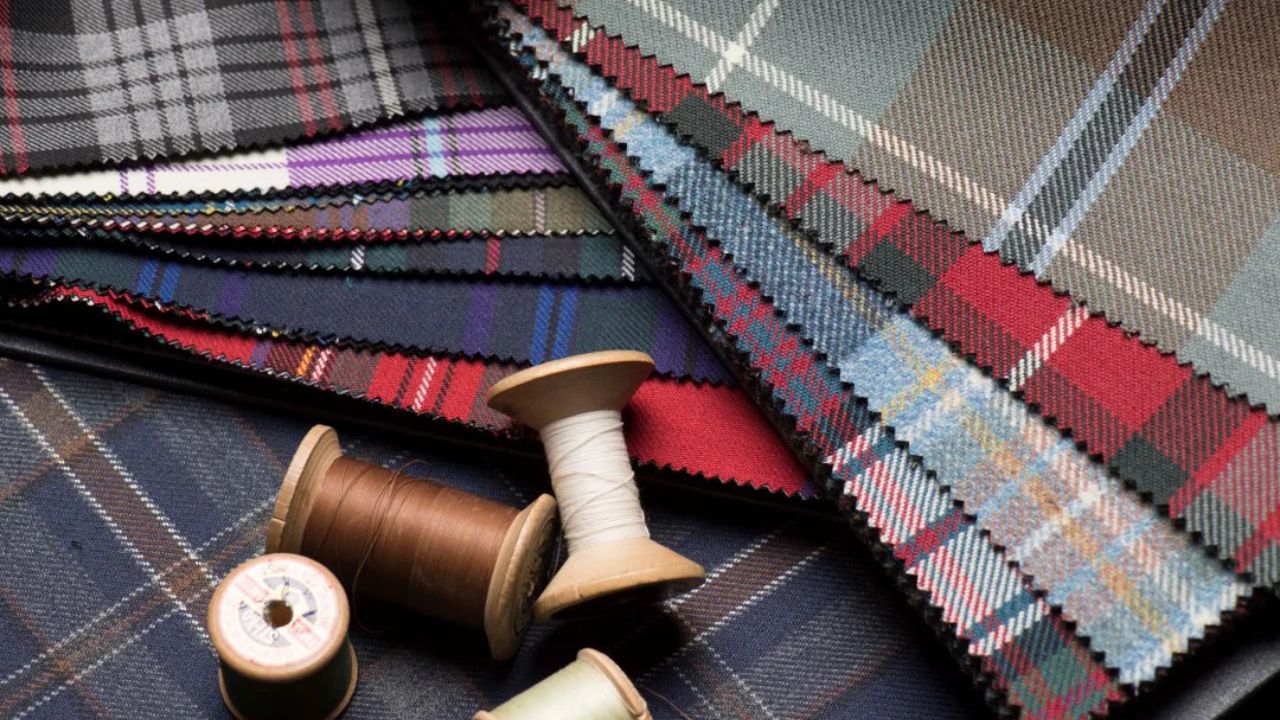
Wool and tweed remain the most common fabrics. These materials pair naturally with tartan kilts and withstand outdoor Scottish weather—something anyone familiar with Kilts and Scottish Weather knows well.
• Button Style
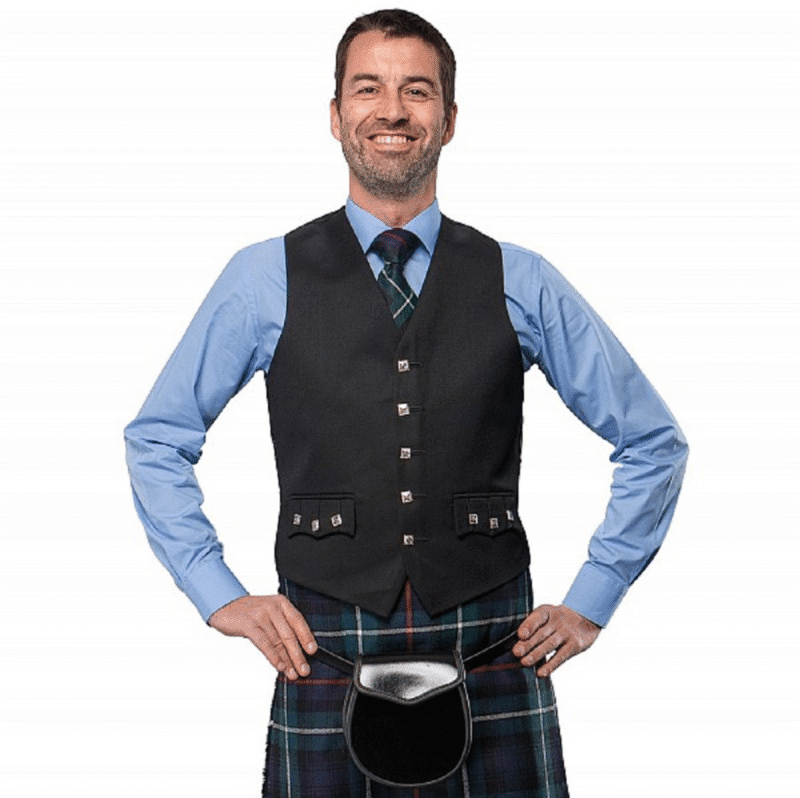
Most waistcoats feature chrome or pewter buttons that match the piper’s jacket, brooches, or belt fittings. Silver-tone buttons help reflect stage lights and add ceremonial flair.
• Color Palette
Black, charcoal, and navy dominate. These tones harmonize with a wide range of tarta
How the Waistcoat Complements Highland Dress
Pipers rarely perform in isolation; they represent clans, communities, and cultural memory. Every part of the Highland outfit carries symbolic weight. From the kilt, deeply tied to clan heritage as shown in How Many Scottish Clans? to accessories like the sporran, hose, and ghillie brogues, the waistcoat sits at the center and ties everything together.
For formal events, pipers often pair their waistcoat with a Prince Charlie or Argyll jacket. For less formal occasions, a waistcoat alone with the kilt creates a sharp but relaxed look.
Impact on Performance
Music sits at the heart of Celtic culture, and the waistcoat’s design supports musicians practically. A well-fitted waistcoat keeps the upper torso stable, which helps with breath control, a crucial detail any bagpiper would recognize.
If you enjoy exploring Celtic musical traditions, you might like our feature on The Bodhrán Drum or our article on Fiddle Music.
Choosing the Right Waistcoat
If someone wants to buy a waistcoat for piping or ceremonial wear, a few factors matter:
- Fit: A waistcoat should sit snugly without restricting movement.
- Fabric: Wool or high-quality blends create a traditional look.
- Color: Choose tones that match the kilt and accessories.
- Buttons: Metal buttons enhance formality and visual symmetry.
Small details can transform an outfit and elevate a performance.
The Waistcoat as a Living Tradition
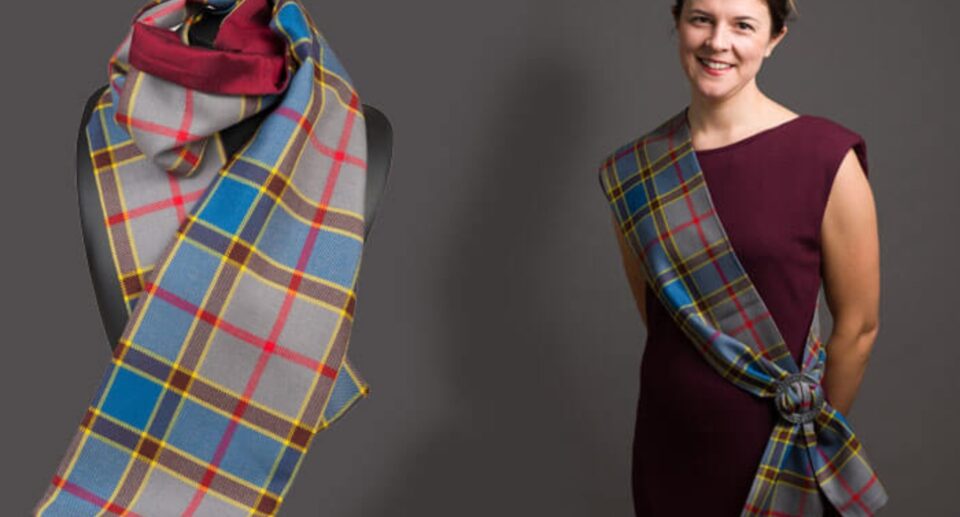
The Scottish bagpiper’s waistcoat is more than tailored cloth. It reflects centuries of evolving Highland identity. When worn alongside iconic Celtic garments like tartan sashes (How to Wear a Tartan Sash). It carries the spirit of Scottish pride into modern ceremonies, festivals, and performances.
If you love reading about Scotland’s living traditions, you can also explore our full collection of articles on Celtic Culture & Tradition or browse other posts in our Art & Fashion category.