Scotland’s National Animal: The Unicorn
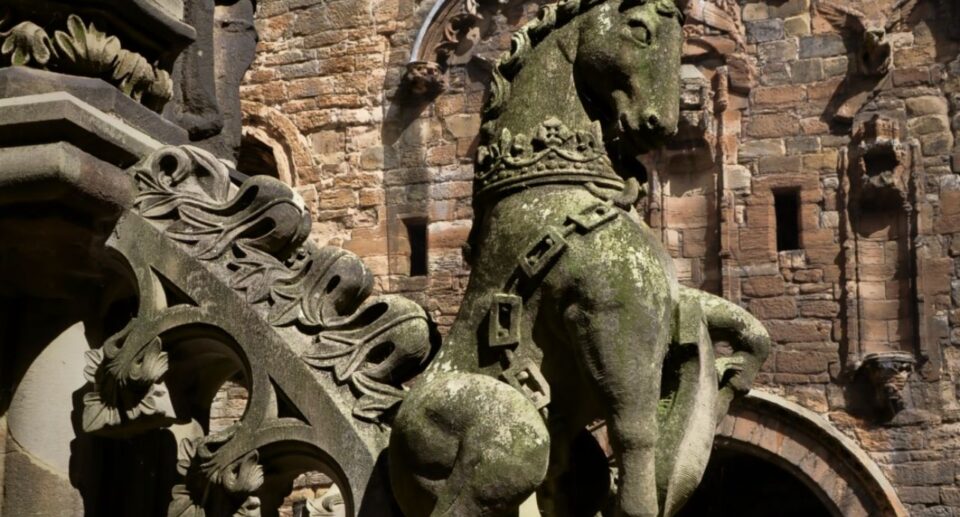
If you were asked to guess Scotland’s national animal, you might expect the red deer, the Scottish wildcat, or perhaps even the Highland cow. Instead, it’s the unicorn—a mythical beast of purity, strength, and untamed spirit. This choice might seem whimsical, but the unicorn has been woven into Scottish history and symbolism for centuries.
Why the Unicorn?
The unicorn has long been associated with innocence, independence, and power in Celtic and European tradition. In medieval Scotland, it was also believed to be the natural enemy of the lion, a symbol famously tied to England. Choosing the unicorn was therefore a statement of sovereignty and resistance.
Unicorns in Celtic and Medieval Belief
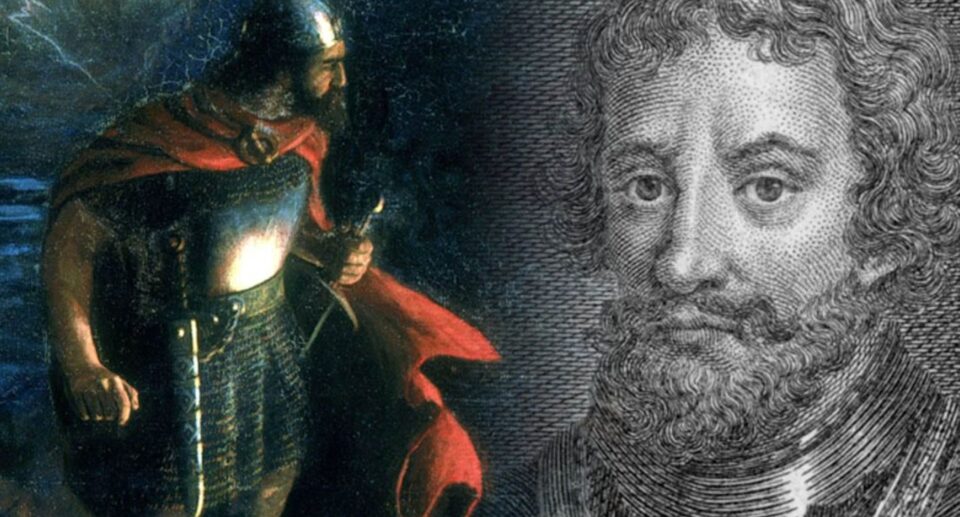
In Celtic mythology, the unicorn embodied mystery and otherworldly strength. Much like figures such as the Celtic sun god Lugh, the unicorn belonged to a symbolic landscape where nature, divinity, and imagination intertwined.
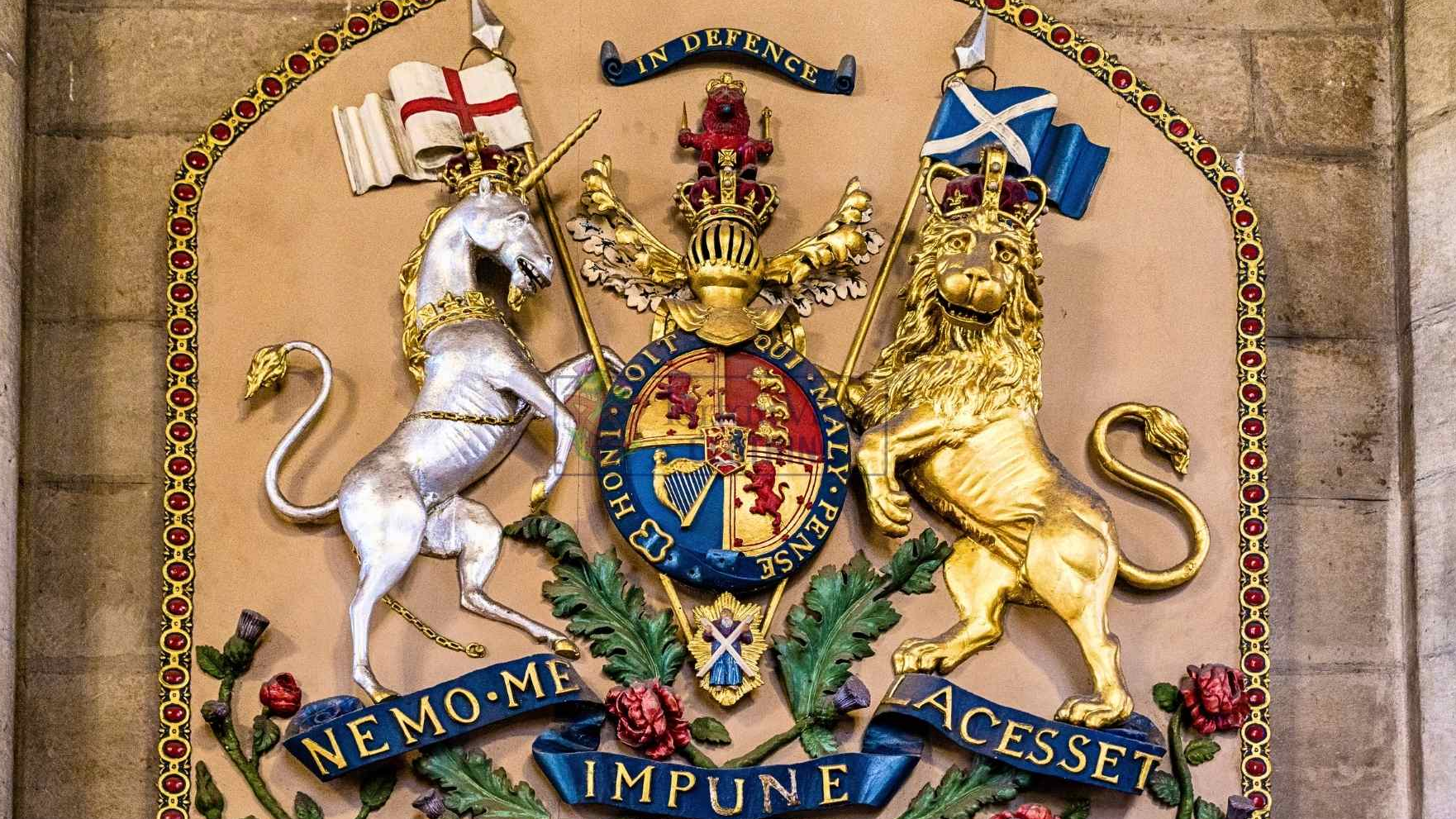
By the 12th century, the unicorn appeared in royal heraldry, particularly during the reign of King William I. Two chained unicorns flank Scotland’s royal coat of arms, a reminder that even the fiercest power must be harnessed by rightful kingship.
The Unicorn and Scottish Identity
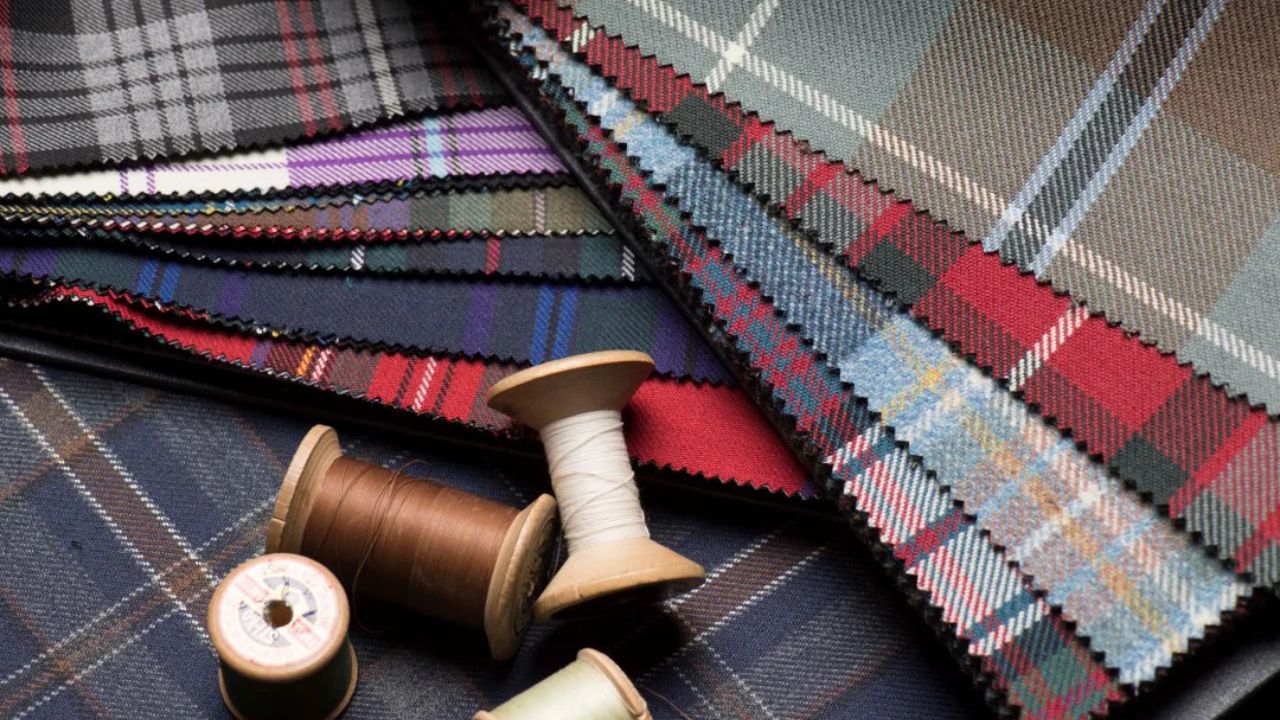
The unicorn reflects a very Scottish paradox: wild freedom paired with regal authority. Just as tartan patterns symbolize clan identity and pride, the unicorn embodies national spirit, both untameable and uniquely Scottish.
Scotland’s fondness for myth is not unusual. From selkies in folklore to the legend of the Fairy Glen, blending reality with imagination is a cultural hallmark. The unicorn sits comfortably within this tradition, serving as both legend and national emblem.
Where to Find the Unicorn in Scotland
If you visit Scotland today, you’ll encounter unicorns carved into castles, stitched into royal banners, and etched into ancient stonework. Edinburgh Castle and Stirling Castle both feature majestic unicorn statues, while the Palace of Holyroodhouse displays them in regal settings.
For those fascinated by Scotland’s stone artistry, our guide on Celtic stone carvings offers insight into how such symbols were preserved through time.
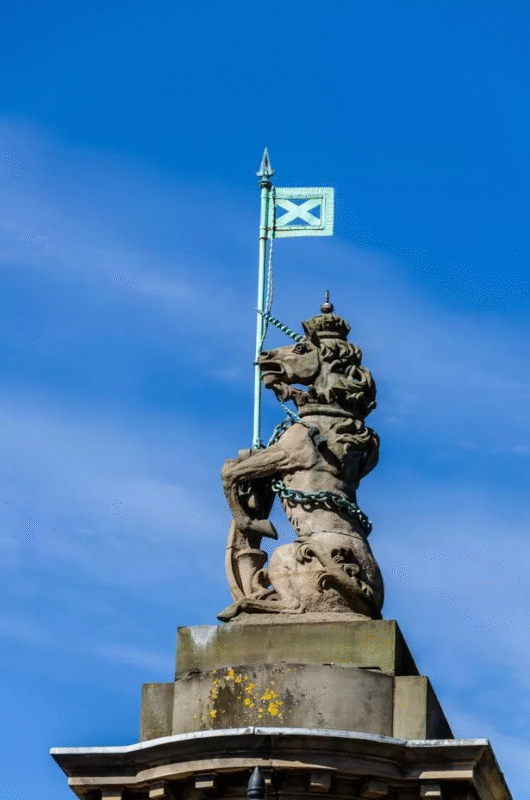
Legacy of the Unicorn
The unicorn remains a living emblem of Scotland’s character—proud, fierce, and richly imaginative. While other nations chose tangible animals, Scotland chose a myth. In doing so, it declared that imagination is as much a part of identity as history itself.
Just as Gaelic proverbs preserve cultural wisdom in words, the unicorn carries Scotland’s values in symbol. It is both protector and dream, a fitting guardian for a nation shaped by both history and myth.
Conclusion
Scotland’s unicorn is more than a fanciful emblem—it is a statement of independence, resilience, and cultural imagination. To this day, the unicorn proudly roams through Scotland’s heraldry, reminding us that sometimes, the most powerful truths are carried by myths.
For more explorations of Celtic heritage and symbols, browse our blog archives or discover the significance of the Claddagh ring in Irish tradition.