Irish Wool Dyeing Traditions: Colours of Heritage

Introduction: When Wool Met Colour in Ireland
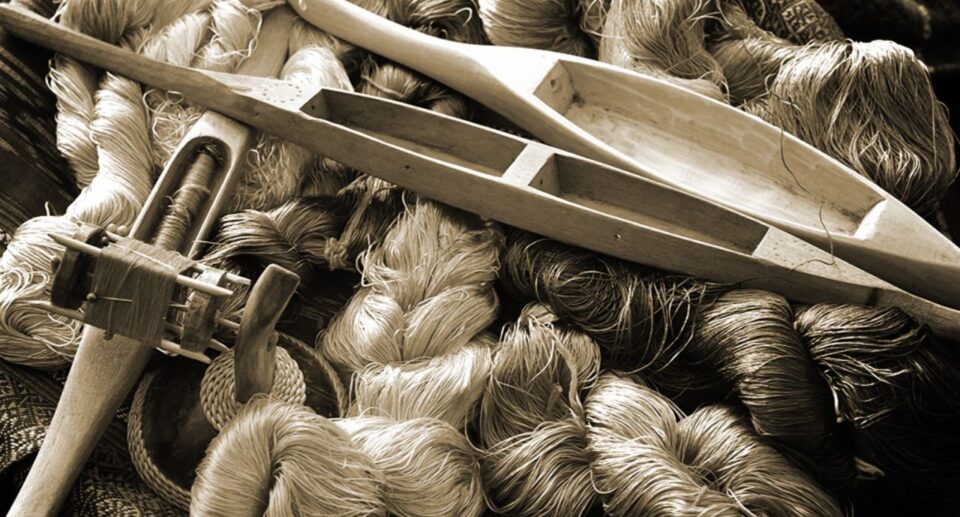
Imagine an ancient Irish hillside, sheep grazing, winds singing, and women gathered with cauldrons of boiling plants, dyeing wool in vivid shades that carried stories, symbols, and status. Wool wasn’t just fabric in Ireland; it was the canvas on which colour became culture.
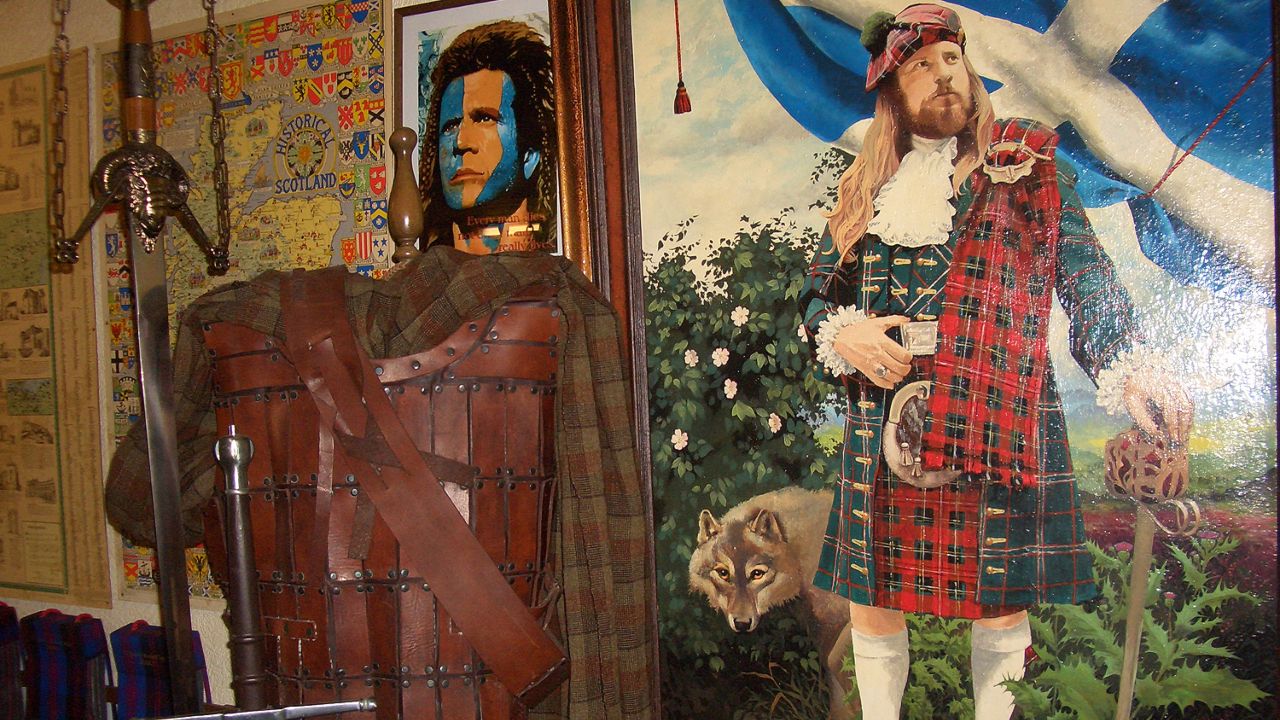
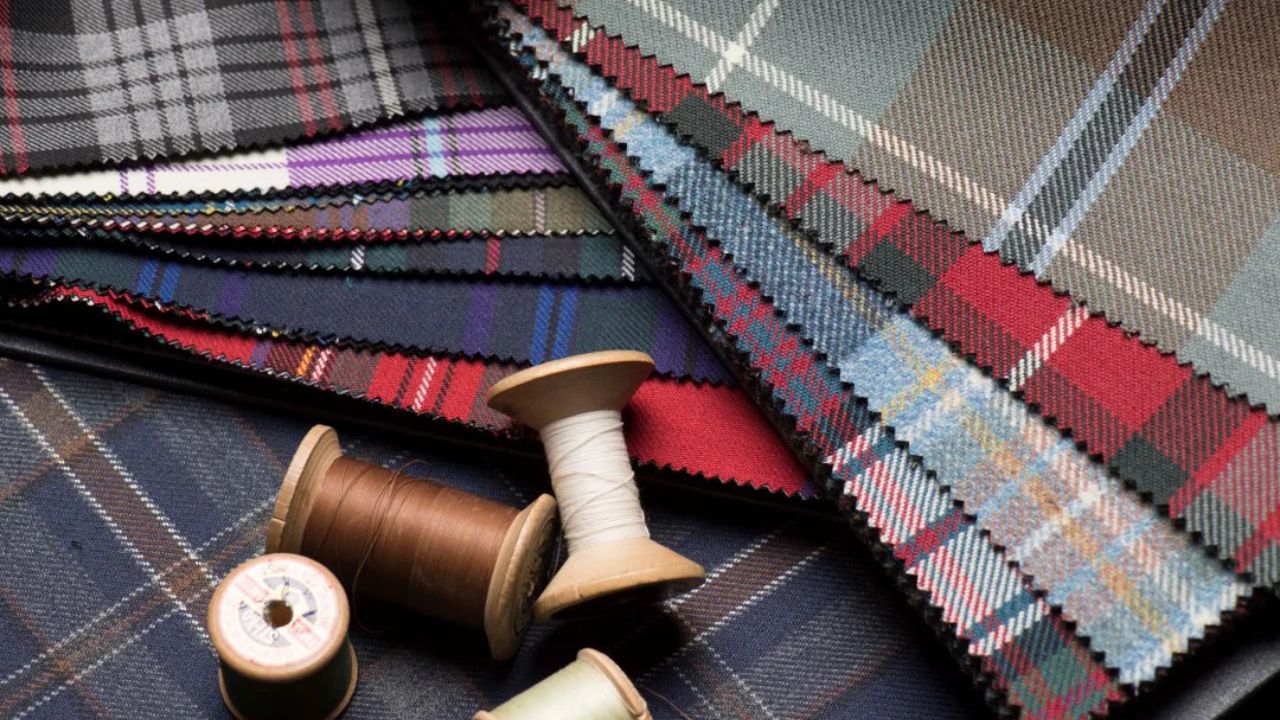
Much like how tartan patterns spoke of clan identity in Scotland, Ireland’s colours held significance—social, spiritual, and practical.
Natural Sources of Irish Wool Dyes
The Irish landscape itself served as a dye workshop:
- Madder root – for earthy reds.
- Woad – giving deep blue, echoing Celtic war paints.
- Walnut husks – rich browns.
- Heather, lichen, and gorse – yellows and greens tied to Ireland’s wild hills.
These weren’t just colours of fashion but shades of meaning. Green linked to fertility and land, blue associated with spiritual protection.
Symbolism and Celtic Belief in Colour
In Celtic culture, colour wasn’t random. Each hue reflected power, myth, or identity. For example:
- Red symbolised strength and vitality, often reserved for leaders.
- Blue was sacred, tied to gods like Lugh.
- Green carried the soul of the land, echoing the deep connection to nature.
This mirrors how storytelling shaped Irish life (why Irish people are natural storytellers). Both colour and story served as cultural memory.

Dyeing as a Craft and Community Practice
Wool dyeing wasn’t just chemistry, it was community. Rural households often produced their own dyes, with recipes passed down generations. In some ways, this communal artistry was as integral as the bodhrán drum was to music.
Seasonal cycles influenced colors too. Summer blooms for bright tones, autumn roots for deep shades. This rhythm aligned wool dyeing with the land’s own pulse.

Continuity and Revival of Irish Dyeing Traditions
Though industrialisation shifted practices, interest in natural dyeing is resurging. Modern craftspeople and heritage weavers honour these traditions, using sustainable plant-based methods.
Just as the Claddagh ring carries centuries of symbolism in a single design, Irish wool still holds the hues of its history.

Conclusion: Wearing History in Every Thread
Irish wool dyeing traditions remind us that fabric is never just material. It is story, heritage, and identity woven into threads. Each colour once whispered meaning, echoing myths, seasons, and beliefs.
For readers eager to explore related Celtic craftsmanship, see our articles on Celtic stone carvings and Irish holy wells.