
Irish Moss Farming: A Coastal Tradition Rooted in Ireland

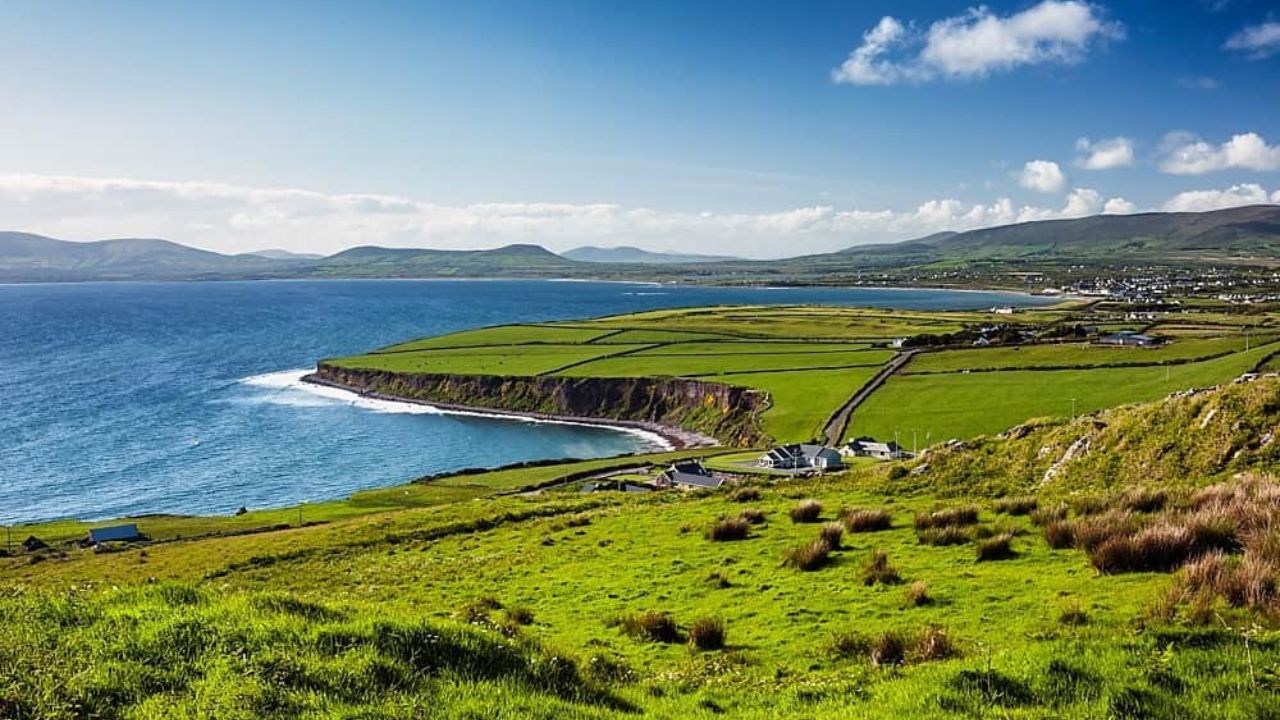
Irish moss farming reflects Ireland’s long relationship with the sea. Coastal communities have harvested this humble seaweed for centuries. Known scientifically as Chondrus crispus, Irish moss grows along the cold Atlantic shores and thrives in tidal pools. Its story blends ecology, survival, and cultural resilience.
What Is Irish Moss?
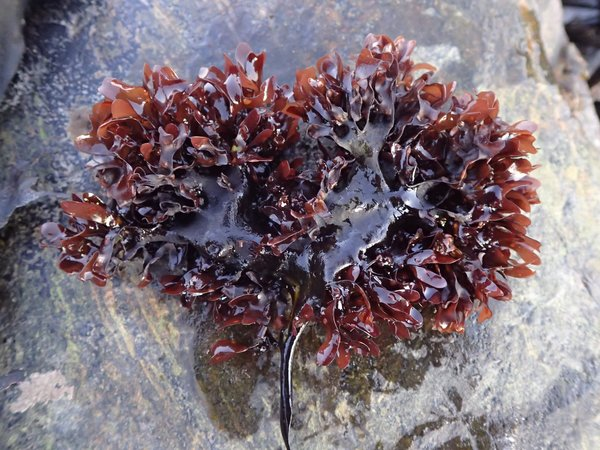
Irish moss is a red seaweed that clings to rocky shorelines. Locals traditionally gathered it by hand at low tide. Families dried it in the sun and stored it for winter use. During hard times, especially periods of scarcity, Irish moss offered nourishment and stability. Its importance echoes other survival narratives shaped by the land, much like those discussed in The Influence of the Irish Potato Famine.
A Brief History of Irish Moss Farming
Early harvesting followed natural cycles rather than commercial demands. Coastal knowledge passed through generations by word of mouth. This oral tradition reflects Ireland’s deep storytelling culture, explored further in Why Are Irish People Natural Storytellers?.
During the 19th century, Irish moss gained wider recognition. Export markets valued it for carrageenan, a natural thickening agent. What began as subsistence harvesting slowly evolved into organized farming, though small-scale methods still dominate.
How Irish Moss Is Farmed Today
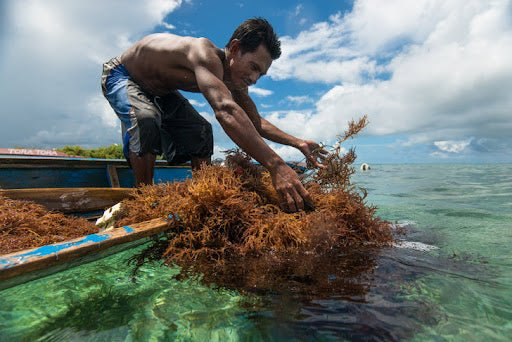
Modern Irish moss farming respects traditional techniques while adopting ecological care. Farmers harvest selectively to allow regrowth. They avoid damaging holdfasts, which anchor the seaweed to rocks. This approach mirrors the sustainable mindset seen across Celtic crafts and traditions, from Celtic stone carvings to textile heritage.
Most farms remain coastal and family-run. The work depends on tides, weather, and seasonal rhythms. Machinery rarely replaces human judgment here.
Cultural and Nutritional Significance
Irish moss appears in traditional food, especially in puddings and broths. It also features in folk remedies. These practices connect food, belief, and landscape, much like Ireland’s reverence for sacred places such as Irish holy wells.
Beyond nutrition, Irish moss symbolizes endurance. Coastal families relied on it when crops failed. That resilience aligns with broader Celtic values rooted in land and sea.
Irish Moss in the Wider Celtic World
While Irish moss remains distinctly Irish, its use spread across Celtic regions. Trade and migration carried knowledge along Atlantic routes. Sea-based livelihoods linked Ireland with Scotland and beyond, just as shared traditions link music, dress, and language. You can see similar cross-cultural continuity in articles like What Is Tartan?.
This shared maritime heritage shaped identity as much as inland farming ever did.
Sustainability and the Future of Irish Moss Farming
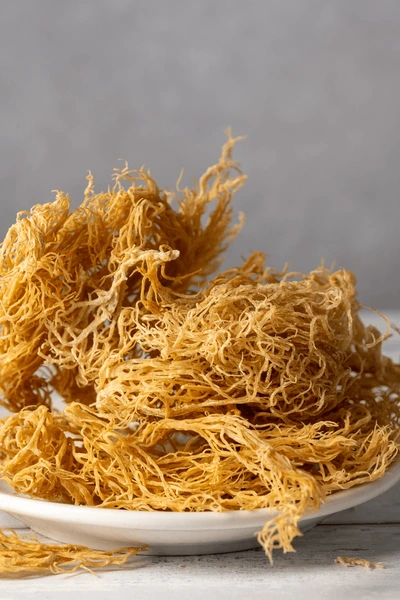
Interest in natural foods and plant-based products has renewed demand for Irish moss. Sustainability now stands at the heart of farming practices. Overharvesting threatens ecosystems, so regulation and local stewardship matter more than ever.
Small-scale farmers lead this effort. Their methods balance economic need with ecological respect. This philosophy mirrors the broader crofter mindset explored in A Crofter’s Journey Through Time.
Conclusion: More Than Seaweed
Irish moss farming tells a quiet but powerful story. It speaks of survival, adaptation, and harmony with nature. Along Ireland’s rugged shores, this tradition continues to thrive. It reminds us that heritage often grows in the most unassuming places.
For more insights into Celtic life, culture, and traditions, explore the wider collection at CeltGuide Blog.