Irish Monastic Brewing Traditions – Sacred Ales and Celtic Craft
Brewing as a Sacred Duty
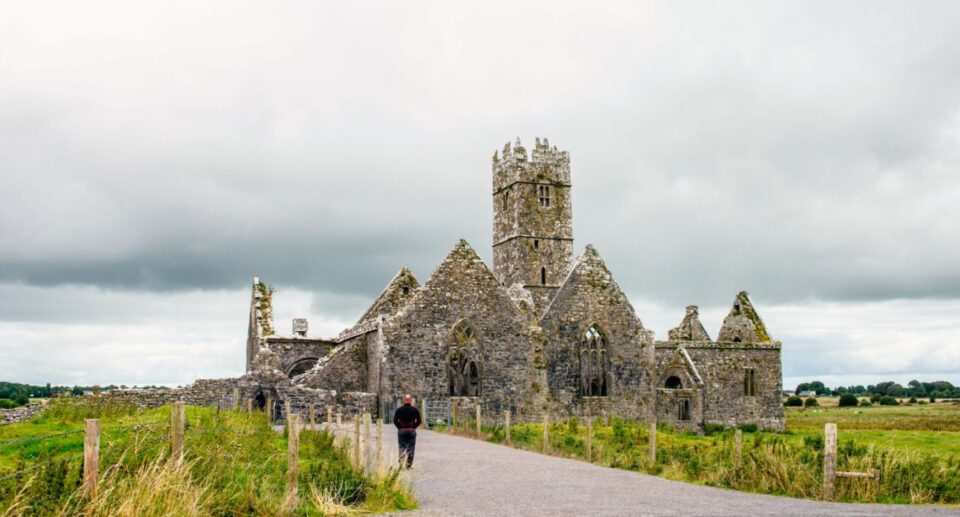
When we think of Irish monasteries, we imagine prayer, illuminated manuscripts, and Celtic stone carvings. Yet, these communities also mastered the art of brewing. Monastic brewing in Ireland was more than producing ale; it was an act of devotion and service. For monks, brewing united the sacred and the everyday.
Monasteries became brewing centers because they valued hospitality. Travelers, pilgrims, and villagers needed safe drinks. Water sources could be contaminated, but ale, boiled and fermented was safer and nourishing. Brewing became a way to care for both body and spirit.
Early Brewing in Celtic Monasteries
Irish monks had access to barley, oats, and wild herbs. They transformed these into beers that were hearty and sustaining. Brewing traditions grew from both Celtic practices and Christian ritual. Just as Celtic oak trees symbolized strength, ale symbolized fellowship and life.
Monks worked with simple equipment: wooden vats, clay vessels, and stone hearths. The fermentation process often took place in cool cellars. Every detail from grain selection to water source mattered. In many ways, they were scientists long before the term existed.
Brewing and the Monastic Economy
Brewing served practical needs, but it also supported the economy of Irish monasteries. Ales and beers brewed in abbeys often became valuable trade goods. Communities exchanged them for food, cloth, or tools. Brewing strengthened connections between monasteries and their surrounding villages.
This economic role mirrored how storytelling connected people. Both beer and stories flowed around hearths, shaping identity and kinship.

Rituals, Festivals, and Sacred Ale
Brewing also held spiritual resonance. Ale featured in religious feasts, saint’s days, and seasonal celebrations. In some monastic accounts, brewing was linked to miracles barrels that never ran dry, or crops that yielded beyond measure.

The ale itself carried meaning. It was not just drink but fellowship, binding communities in joy and remembrance. Like Irish holy wells, brewing symbolized the blending of sacred water and human hands.
Influence Beyond Ireland
Irish monks carried their brewing knowledge abroad. When they traveled to Britain or mainland Europe, they brought brewing skills with them. Some historians argue that Irish monastic brewing influenced continental traditions, laying the groundwork for later medieval brewing culture.
In this way, Irish brewing shaped not just local life, but also Europe’s wider brewing heritage just as Gaelic proverbs shaped wisdom across generations.
The Endurance of Tradition
Though monasteries faced decline after Viking raids and later reforms, brewing traditions endured. Some Irish craft breweries today trace inspiration back to monastic recipes. The idea of ale as both nourishment and culture survives in modern brewing.
Whether enjoyed at a feast or remembered in history, Irish monastic ale remains a testament to how monks transformed grain, water, and faith into something deeply human.
Conclusion: More Than Beer
Irish monastic brewing traditions are not only about making ale. They reveal how monks blended ritual, survival, and community. Brewing was science, economy, and faith, all stirred together in stone cloisters. Just like the Claddagh Ring, monastic brewing carried values of loyalty, care, and connection.

These traditions remind us that in Celtic Ireland, even a simple cup of ale could hold both heritage and holiness.