Irish Knitting Patterns (Aran Sweaters): Threads of Heritage and Heart

Few garments speak Ireland’s story quite like the Aran sweater. Woven from thick, natural wool and patterned with intricate stitches, it is both practical and poetic, a creation born from island life and Celtic artistry.
Aran sweaters originated on the Aran Islands, off Ireland’s rugged west coast. Each sweater once told a family’s story through patterns that were passed down for generations. The stitches weren’t just decoration; they were symbols of identity, hope, and survival.
The Meaning Behind the Stitches
Every Aran stitch holds meaning. Just as Celtic carvings or stone symbols told ancient stories, the Aran sweater became a wearable language.
- Cable Stitch: Symbolizes fishermen’s ropes and the wish for safe journeys and good fortune at sea.
- Diamond Stitch: Represents success and wealth, inspired by the small stone fields of the islands.
- Moss Stitch: Reflects the fields and fertility of the land.
- Honeycomb Stitch: A nod to hard work and reward, echoing the life of the islanders.
Each family had its own unique combination of patterns, its own “signature.”

Crafted from the Land and Sea
The Aran sweater was more than clothing—it was a lifeline against Atlantic winds. Early versions were made from untreated wool, which retained its natural oils, making the sweaters resistant to water. For generations of fishermen, this was both protection and comfort during long days at sea.
The island women were expert knitters, crafting each garment entirely by hand. The result was not only durable but deeply personal, a family’s story woven into each thread.
Learn more about Irish craftsmanship in our piece on Irish Flax Processing and how traditional skills shaped rural life.
From Island Tradition to Global Fashion
In the 20th century, the Aran sweater crossed from island life to the world stage. Designers in Dublin, London, and New York began to celebrate its rustic charm. Celebrities wore it; tourists sought it as a symbol of authentic Ireland.
Today, the Aran jumper is both heritage and high fashion—appearing in modern collections, yet still hand-knit by artisans on the west coast. The timeless charm lies in its dual nature: ancient yet relevant, rugged yet elegant.
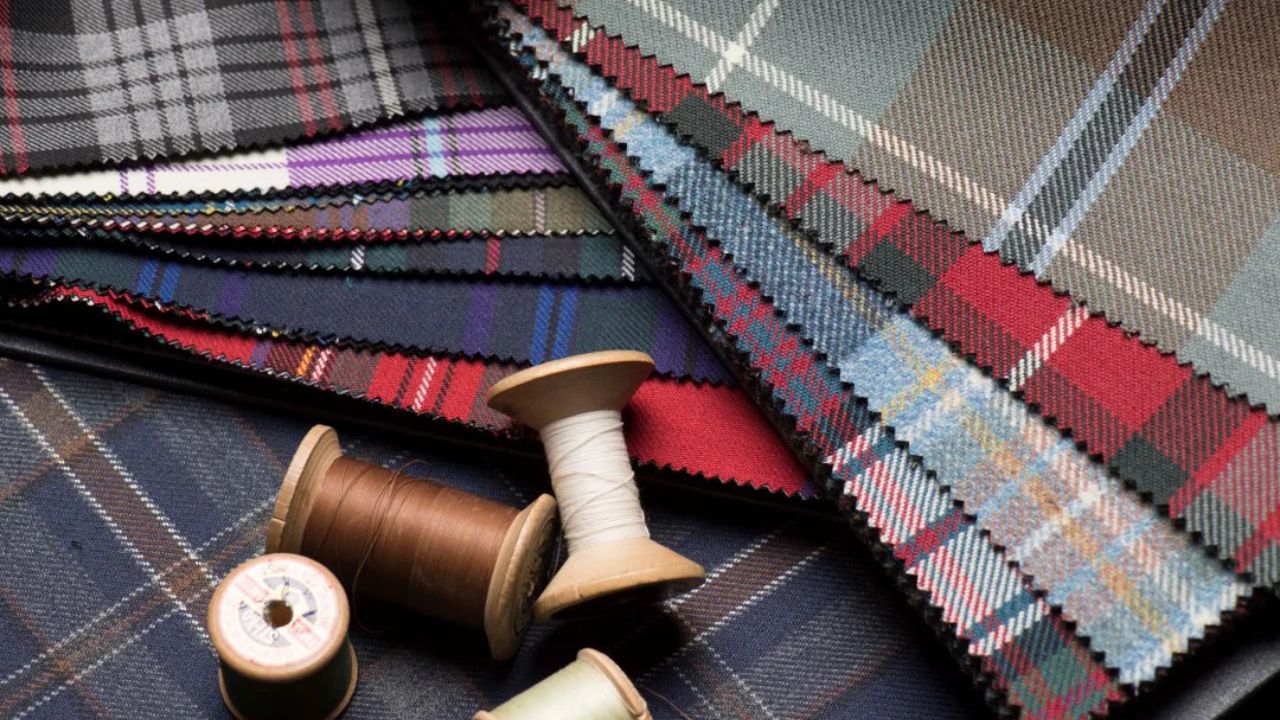
For more on how Celtic style has influenced modern fashion, see Scottish Tartan Shawls: A Timeless Blend of Heritage and Elegance.

A Language in Wool
Like Irish storytelling, the Aran sweater weaves narrative through texture. The rhythm of the stitches, the repetition of pattern, and the quiet devotion of handwork all carry echoes of Irish identity.
Wearing one is not simply fashion, it’s an act of remembrance. It honors the knitters who worked by candlelight, the fishermen who braved the sea, and the enduring creativity of Irish hands.
Preserving a Living Tradition
Even today, Aran sweaters remain a symbol of pride in Irish homes. Workshops on the Aran Islands still use traditional patterns, while contemporary designers reinterpret them in sustainable wool and modern cuts.
It is a story of continuity, not nostalgia, a living art that continues to evolve while holding firm to its Celtic roots.
You can explore other expressions of Celtic craft and symbolism in:

Conclusion: Threads of Identity
The Aran sweater remains more than a garment, it is a woven chronicle of Ireland’s heart. Each loop and cable preserves centuries of faith, family, and resilience. Whether worn on the cliffs of Inis Mór or in the streets of New York, it connects the wearer to an enduring Celtic legacy.
The next time you pull one over your head, know that you’re not just wearing wool, you’re wearing a story, handspun from the past and alive in every thread.